Category: Last News

  • Special WSB: Por onde anda? Norksan Copacabana

    Special WSB: Por onde anda? Norksan Copacabana

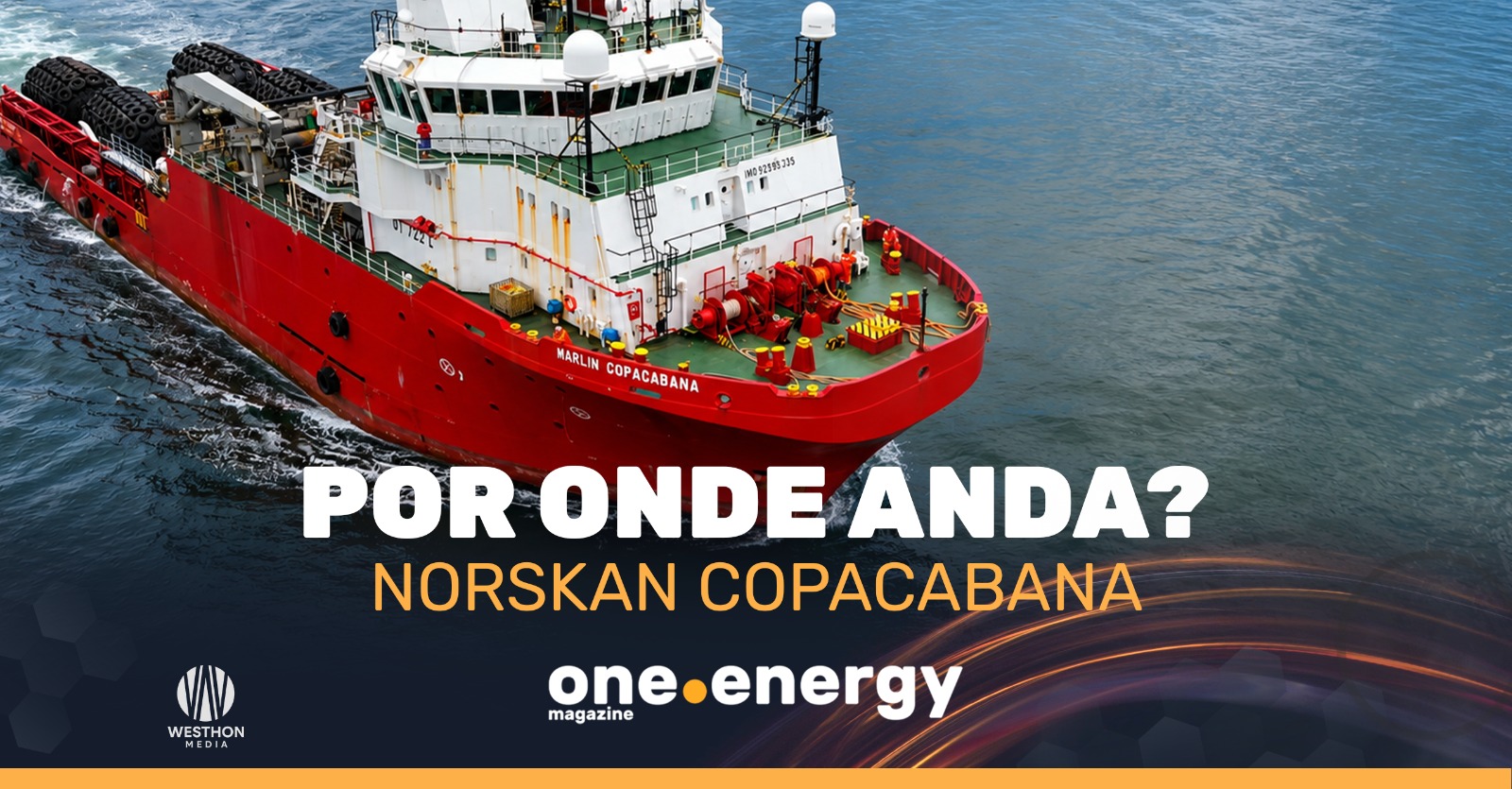
    The name Skandi Copacabana became associated with an important phase of offshore support navigation in Brazil.

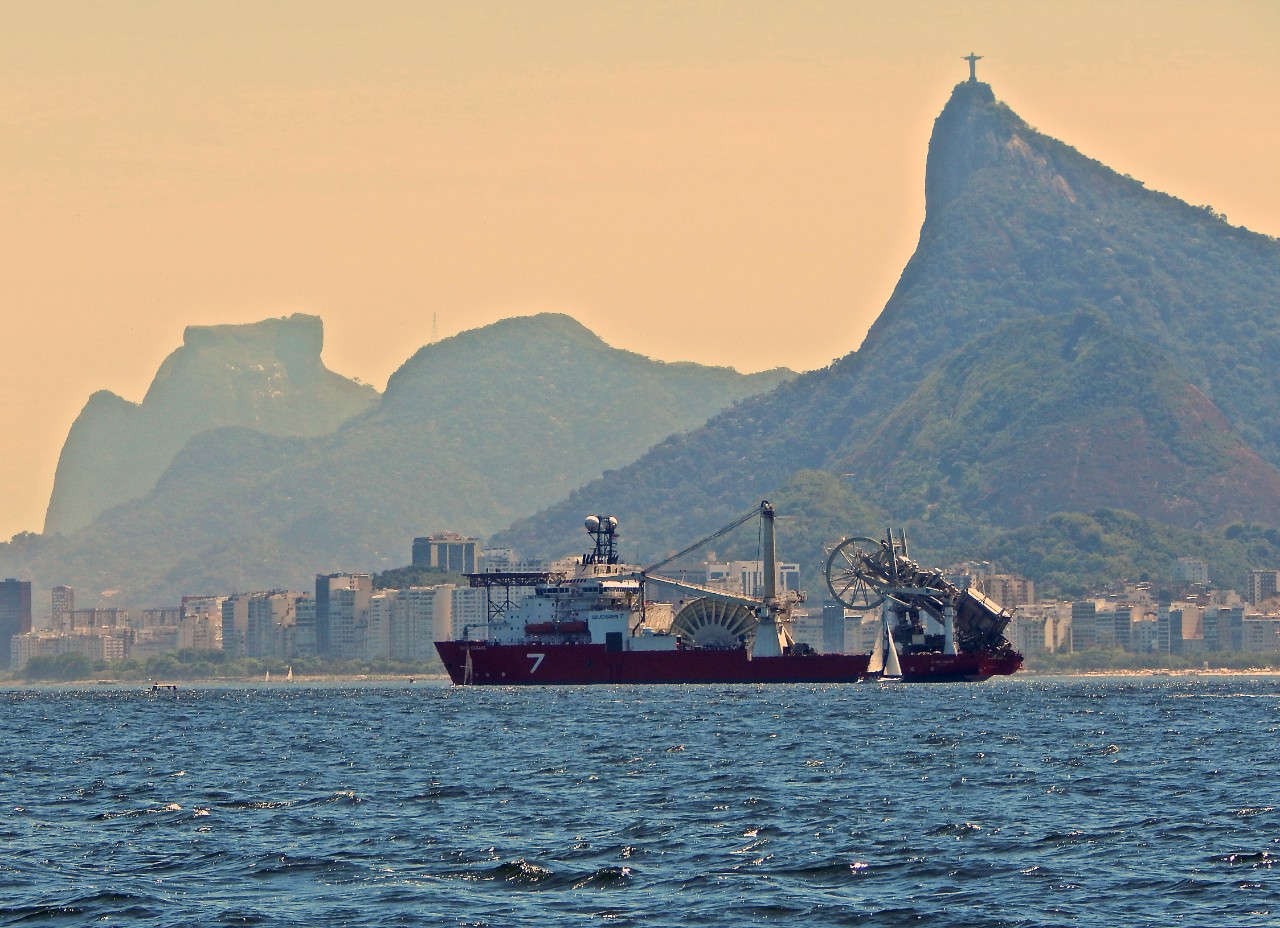
    Before operating under that name, the vessel was registered as Norskan Copacabana. Built in 2005 at Estaleiro Ilha, in Rio de Janeiro, she emerged during a period of expansion in the Brazilian offshore market, when demand for support vessels was growing alongside the development of exploration and production activities in the country.

    The vessel was designed as an AHTS, a category focused on anchor handling, towing and supply operations. In practical terms, this type of asset is used to tow offshore units, deploy and recover anchoring systems, and provide logistical support to offshore operations.

    With approximately 80.5 meters in length, around 18 meters of beam and a deadweight close to 2,400 tonnes, the vessel was part of a generation of offshore support vessels built to serve a market that demanded more power, deck capacity and operational resources. The UT 722L design, the reported bollard pull of approximately 206 tonnes and the anchor handling systems reinforced this profile.

    But the relevance of the Skandi Copacabana is not limited to her technical characteristics. She also helps tell part of the evolution of the Brazilian offshore support market.

    In the 2000s, Brazil was experiencing a cycle of offshore expansion. Vessel construction in the country, the presence of international groups and the growing demand for offshore support created space for a more robust and specialized fleet. The then Norskan Copacabana was born within that environment.

    Later, already as Skandi Copacabana, the vessel carried the operational identity linked to Norskan/DOF in Brazil, at a time when the group maintained a relevant presence in offshore support navigation.

    The most relevant change came from 2015.

    At that time, funds managed by Mantiq Investimentos and Mare Investimentos acquired five offshore support vessels from Norskan Offshore in Brazil. Among them were the PSVs Skandi Stolmen and Skandi Yare, the OSRV Skandi Leblon, the PSV Skandi Flamengo and the AHTS Skandi Copacabana.

    In 2016, Marlin Navegação was authorized by ANTAQ to operate as a Brazilian shipping company in offshore support navigation. From that restructuring, the Skandi Copacabana became part of a new corporate and operational configuration within the Brazilian market.

    That movement helps explain a change of phase in the sector. Part of the fleet built or incorporated during the expansion cycle began to be repositioned in a more selective market, pressured by fleet adjustments, contract renegotiations, shifts in demand and greater operational discipline among shipowners.

    Today, the former Skandi Copacabana appears in public records as Marlin Copacabana, IMO 9283435, under the Brazilian flag. The vessel remains associated with Marlin Navegação and appears in recent publications as part of the fleet operated by Grupo Bravante.

    The asset retains its original AHTS profile. In other words, it continues to be identified as an offshore support vessel focused on towing, anchor handling and logistical support. Public AIS records indicate recent presence along the Brazilian coast, but this alone does not confirm a specific contract, client or operational scope.

    In the case of the Marlin Copacabana, the interest lies precisely in the reading that the vessel allows us to make of the market. Her trajectory crosses different phases of the Brazilian offshore sector: local construction, operation under the Skandi brand, sale to a new corporate structure, integration into Marlin and later operational association with Bravante.

    That is why we chose to talk about her. Not only to locate a vessel that changed names, but to observe, through her, how the Brazilian offshore support market has also changed.
  • Brazil and Norway: A rivalry on sunday, a partnership every day

    Brazil and Norway: A rivalry on sunday, a partnership every day

    On Sunday, Brazil and Norway will meet on the football pitch. In the offshore industry, however, the relationship between the two countries has long been built on partnership.

    Over the years, Norway has become one of Brazil’s most important offshore partners. From operators and shipowners to subsea specialists, engineering companies and classification societies, Norwegian expertise has played a significant role in the development of Brazil’s offshore sector. Companies such as Equinor, DOF, DNV, BW Offshore, Kongsberg Maritime and OneSubsea are now an integral part of this ecosystem.

    According to the Norway in Brazil: Investment and Trade Report 2025, nearly 300 Norwegian companies operate in Brazil, supporting approximately 120,000 jobs and representing almost US$14 billion in accumulated investments. Offshore energy remains one of the strongest pillars of this long-standing relationship.

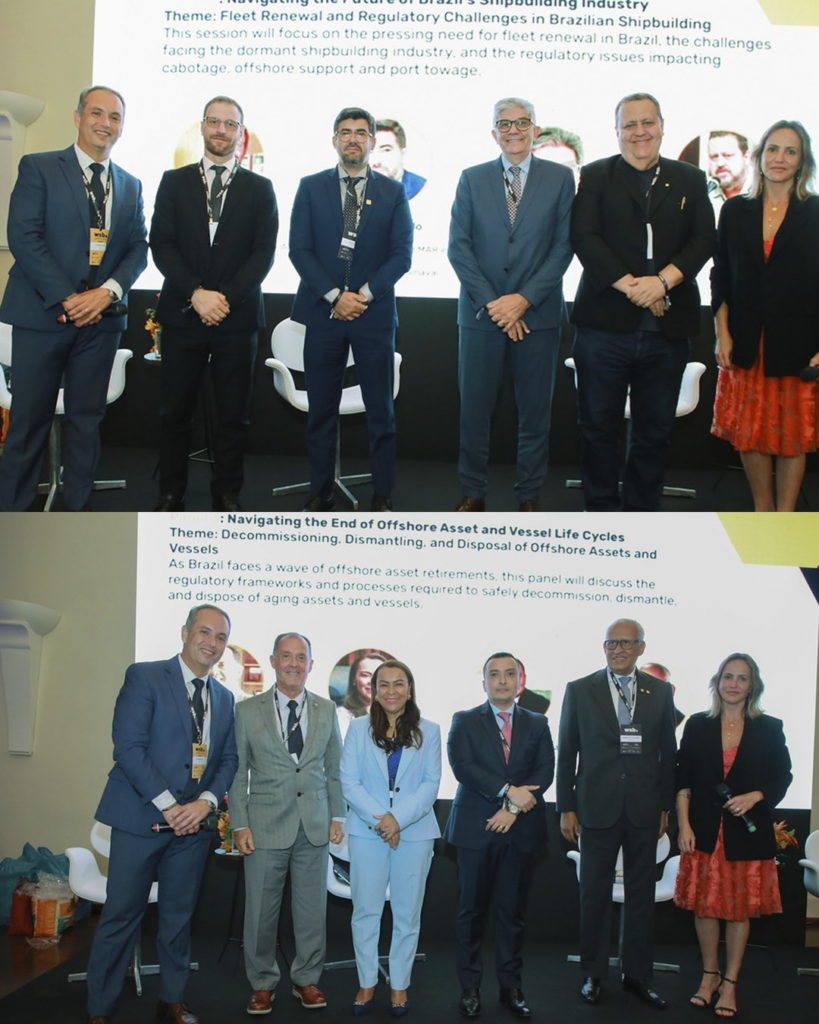
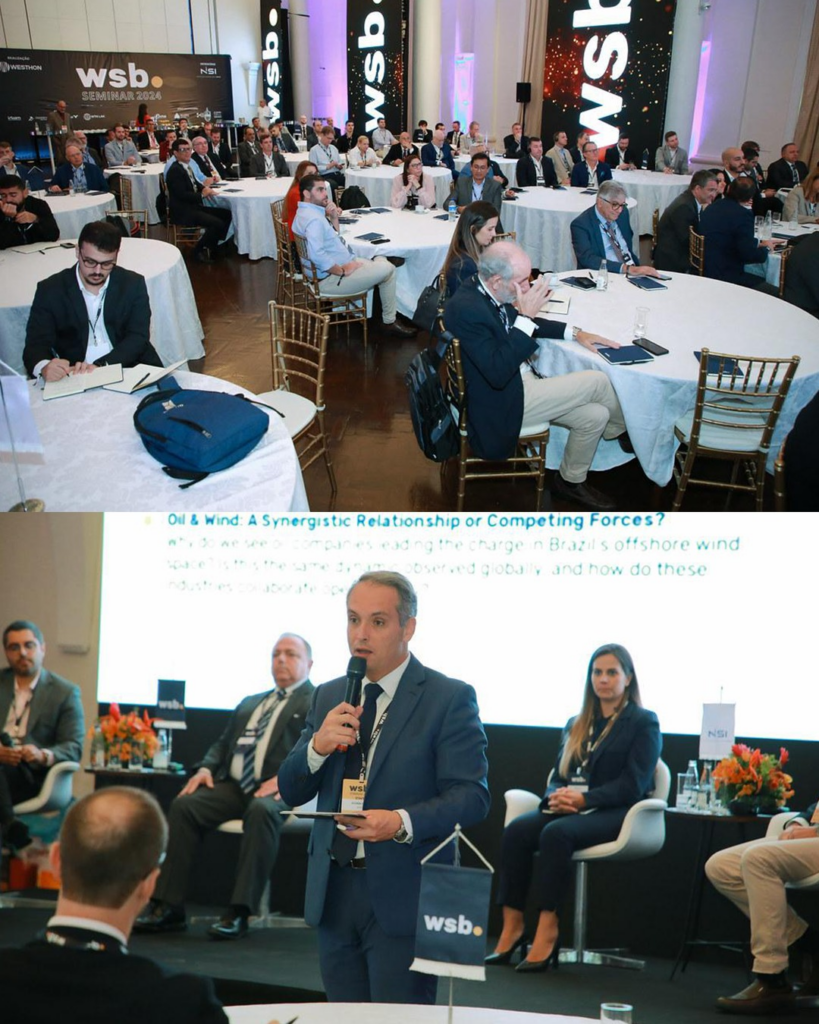
    At WSB Advisors, this connection has always been part of our journey. In 2024, WSB Advisors partnered with the NBCC – Norwegian Brazilian Chamber of Commerce to hold the WSB Advisors Seminar alongside the Norway–Brazil Business Forum at the Copacabana Palace. The event brought together senior executives, institutional representatives and industry leaders from Brazil and Norway to discuss offshore investment, energy transition and the future of bilateral cooperation, reinforcing the long-standing relationship between the two countries and highlighting the importance of forums that bring together decision-makers from across the industry.

    The dialogue will continue at the next edition of the WSB Advisors Seminar, scheduled for September 23, 2026, bringing together many of the executives, companies and institutions helping shape the future of the offshore industry.

    Attendance will once again be limited. Companies interested in sponsorship opportunities and professionals interested in attending are invited to contact the WSB Advisors team.

  • ANP releases list of companies eligible for OPP4 and OPC6 licensing rounds

    ANP releases list of companies eligible for OPP4 and OPC6 licensing rounds

    Brazil’s National Agency of Petroleum, Natural Gas and Biofuels (ANP) has released the list of companies with active registrations eligible to participate in the 4th Permanent Production Sharing Offer (OPP4) and the 6th Permanent Concession Offer (OPC6), both scheduled for October 7.

    The list includes 19 registered bidders for OPP4 and 46 companies with active registrations for OPC6. Registration alone does not guarantee participation, as interested companies must submit a declaration of interest together with a bid guarantee by July 21.

    On August 6, the ANP will announce which exploration blocks received valid expressions of interest and will therefore be included in the two licensing rounds.

  • MODEC and Eld Energy partner to develop SOFC power generation system for FPSOs

    MODEC and Eld Energy partner to develop SOFC power generation system for FPSOs

    MODEC and Eld Energy have signed a memorandum of understanding to develop a 1.2 MW solid oxide fuel cell (SOFC)-based power system integrated with carbon capture for future FPSO applications.

    Under the agreement, Eld Energy will lead the design, procurement and construction of the SOFC-based power system, while MODEC will develop the carbon capture facility and integrate the combined system into future FPSOs. Land-based testing is scheduled for 2029, followed by a long-term demonstration program aimed at reducing carbon emissions from offshore power generation.

  • Búzios field sets new production record of 1.2 million barrels per day

    Búzios field sets new production record of 1.2 million barrels per day

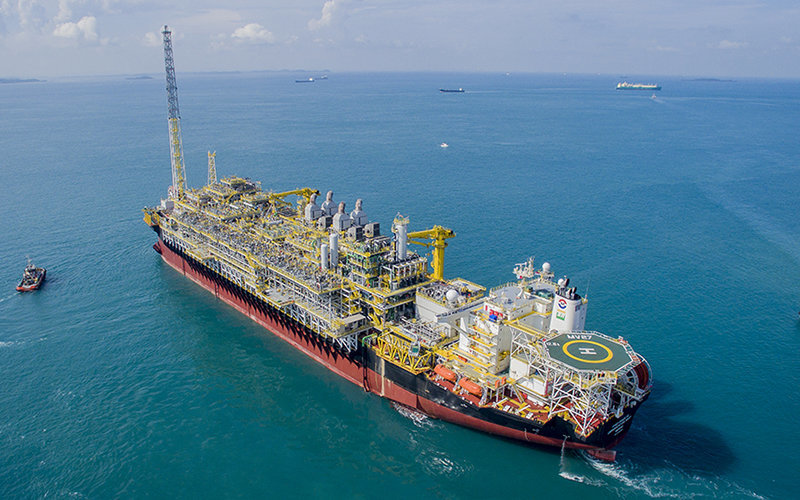
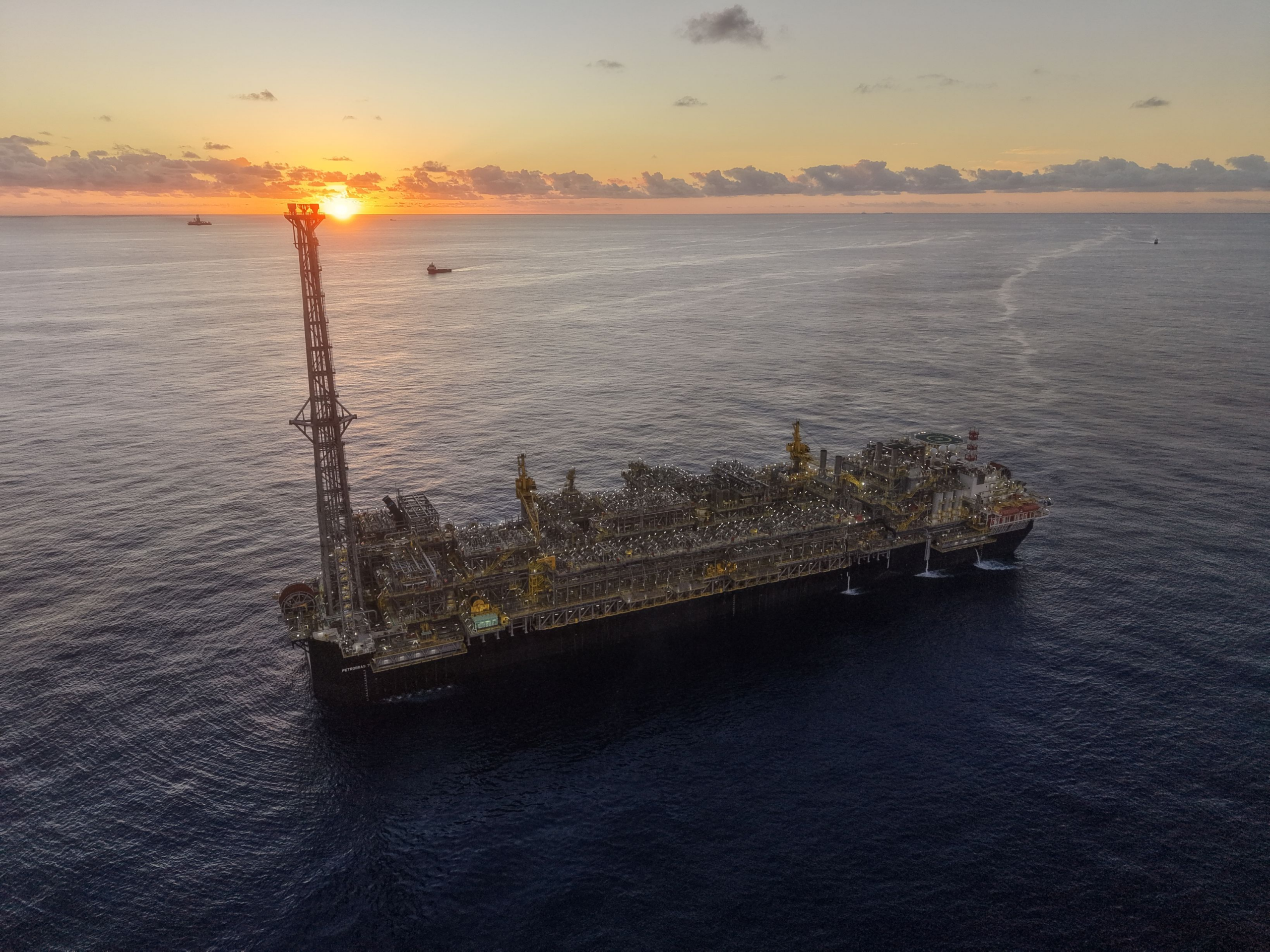
    Petrobras announced that the Búzios field, located in the pre-salt Santos Basin, set a new production record by reaching an average of 1.2 million barrels of oil per day on June 26, just three days after surpassing the historic milestone of 1.1 million bpd.

    According to the company, the increase was driven by the continued ramp-up of the P-78 and P-79 FPSOs, which are progressing toward their nameplate production capacity of 180,000 barrels of oil per day each.

  • Open Tenders

    Open Tenders

    By Maria Eduarda Camba

    WSB Advisors — Open Tenders

    Dear All,

    The following offshore opportunities have received updates in recent days. Here are the latest developments monitored by WSB Advisors.

    What has changed?

    • Petrobras — At least 1x FSC: Opportunity 7004601531, new deadline June 30th, 2026
    • Petrobras — At least 1x OSRV 105: Opportunity 7004497861, new deadline June 30th, 2026
    • Petrobras — At least 1x UMS: Opportunity 7004613237, released June 22nd, 2026

    Stay informed on key offshore developments — visit wsb-one.com, our data platform trusted by leading offshore companies.

  • Cade approves Subsea7-Saipem merger

    Cade approves Subsea7-Saipem merger

    Brazil’s Administrative Council for Economic Defense (Cade) has approved, without restrictions, the proposed merger between Subsea7 and Saipem.

    The transaction, which will combine Saipem and Subsea7 into one of the world’s largest offshore engineering and construction groups, was reviewed for its potential impact on Brazil’s subsea installation and maintenance services market. Cade concluded that the combination does not raise significant competition concerns in the country’s offshore oil and gas sector, marking another regulatory milestone for the transaction.

    Stay informed on key offshore developments — visit wsb-one.com, our data platform trusted by leading offshore companies.

  • Búzios field reaches record production of 1.1 million barrels per day

    Búzios field reaches record production of 1.1 million barrels per day

    Brazil’s Búzios pre-salt field reached a record average production of 1.1 million barrels of oil per day, surpassing the previous milestone of 1 million bpd achieved in October 2025.

    Operated by Petrobras in the Santos Basin, Búzios is Brazil’s largest producing offshore oil field and accounts for nearly one-third of Petrobras’ operated production in Brazil. Petrobras expects production to continue increasing as additional wells and production units enter operation.

    Stay informed on key offshore developments — visit wsb-one.com, our data platform trusted by leading offshore companies.

  • Brazilian Navy launches third Tamandaré-class frigate

    Brazilian Navy launches third Tamandaré-class frigate

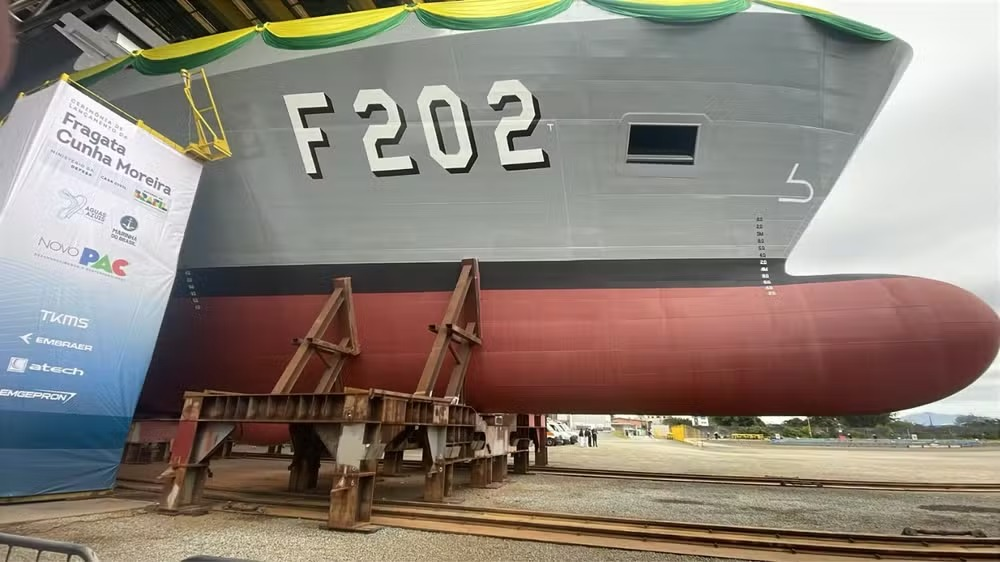
    The Brazilian Navy will hold the launching and christening ceremony of the frigate Cunha Moreira (F202) this Thursday in Itajaí. The vessel is the third of four ships being built under the Tamandaré-class frigate program, one of Brazil’s largest naval shipbuilding programs.

    Built in Brazil by the Águas Azuis Consortium, the program combines technology transfer, local industrial development and naval modernization. Once commissioned, the frigate will be capable of anti-air, anti-submarine and anti-surface warfare operations, strengthening Brazil’s maritime defense capabilities.

    Stay informed on key offshore developments — visit wsb-one.com, our data platform trusted by leading offshore companies.

  • Special WSB: Por onde anda? MSC Baltic III

    Special WSB: Por onde anda? MSC Baltic III

    Por Onde Anda? – MSC Baltic III

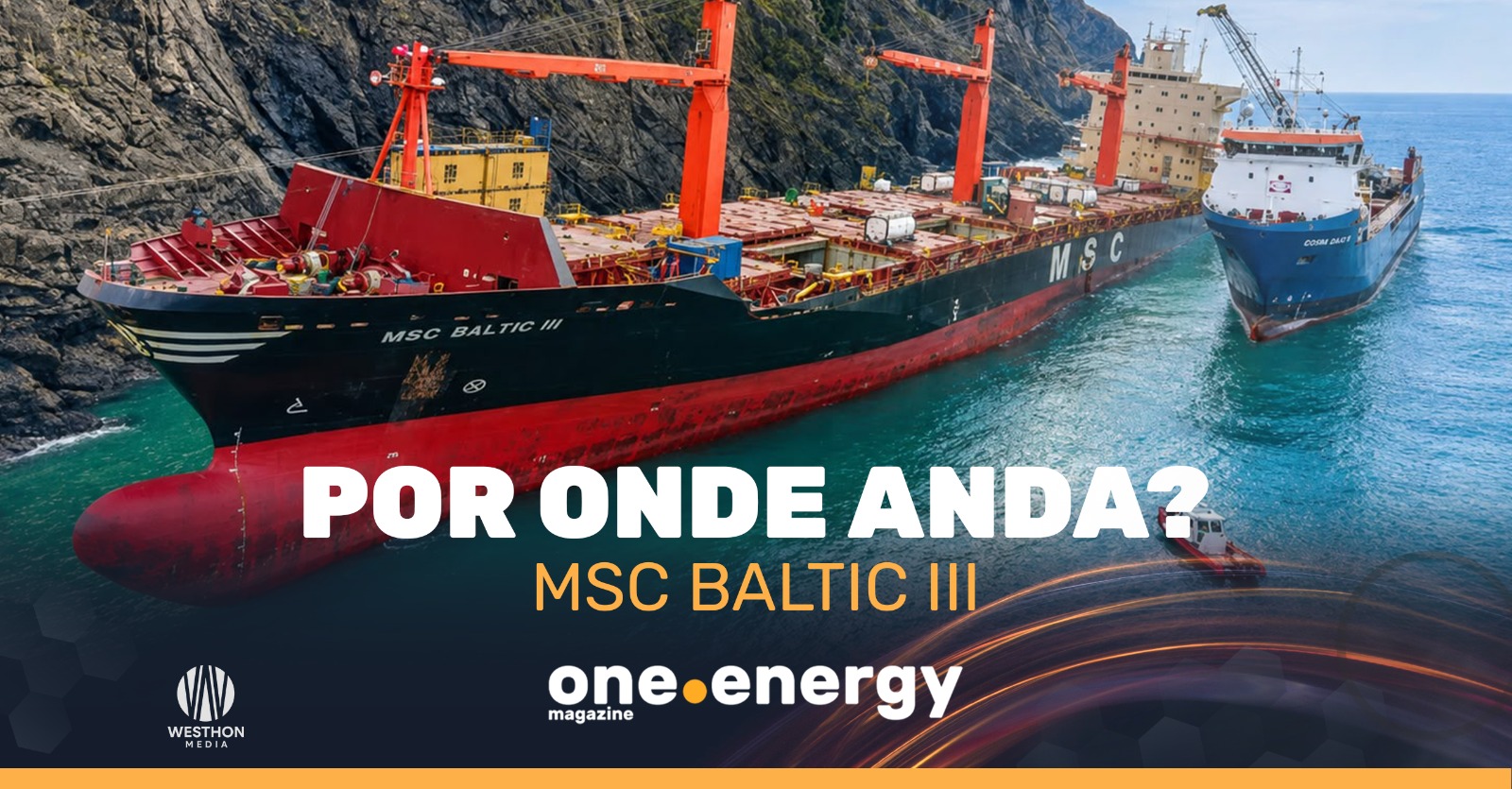
    The date was February 2025.

    The MSC Baltic III was sailing off the west coast of Newfoundland, Canada, when it reported a loss of power near the entrance to Bay of Islands. Sea and weather conditions were adverse. Unable to secure an anchor, the containership eventually ran aground in the Wild Cove/Cedar Cove area, near Lark Harbour.

    There were 20 crew members on board. All were safely airlifted from the vessel.

    From that moment, the MSC Baltic III was no longer just another containership in commercial operation. It became one of the most closely monitored maritime cases in Canada.

    More than a year later, the vessel is no longer being treated as a simple refloating case. The operation has moved into the wreck removal phase, with deconstruction work being carried out on site, land access being developed, and materials gradually removed from the vessel.

    The initial response focused on crew safety, environmental protection, hull assessment, fuel removal and cargo removal. From the early inspections, the situation already pointed to a sensitive operation. There were reports of water ingress in some compartments, signs of structural deformation and a significant portion of the hull resting on the seabed.

    As the months passed, the vessel’s condition became the main technical factor in the operation. Updates from the Canadian Coast Guard indicated hull damage, cracks, deformation, access limitations and repeated restrictions caused by sea state, wind, ice and severe weather.

    By late February 2025, the Canadian authority indicated that, given the vessel’s condition at that stage, it could not be safely refloated. From then on, the discussion was no longer only about pulling power, buoyancy and emergency response. The case began to involve structural integrity, environmental risk, access logistics and the real feasibility of safe removal.

    In 2026, the operation entered a new phase. Resolve Marine was retained as the contractor for the wreck removal stage. By June, the work had already progressed into the deconstruction phase, with increased operational presence on site, improvements to land access to Cedar Cove, construction of an access road down to the beach area and removal of materials from the vessel.

    Built in 2003, the MSC Baltic III is a containership of significant size for this type of coastal operation. The vessel is approximately 207 meters long, about 30 meters wide and has a capacity close to 2,500 TEU. These figures help put the challenge into perspective: this is not a small vessel, but a large commercial ship grounded in an exposed area with limited operational access.

    This is where the Canadian case becomes relevant to the maritime and offshore markets.

    Without drawing a direct comparison, the MSC Baltic III offers a useful reference for situations such as the Skandi Amazonas in Brazil. In grounding cases, time is a technical factor. The longer a hull remains exposed, the greater the influence of sea conditions, weather, structural condition, access, environmental risk and removal feasibility.

    Refloating, in these cases, does not depend only on pulling power. It depends on hull integrity, watertight condition, pollution control, weather windows, available logistics and the ability to move the vessel without turning the operation into a greater risk.

  • Petrobras and Pemex: MoU details

    Petrobras and Pemex: MoU details

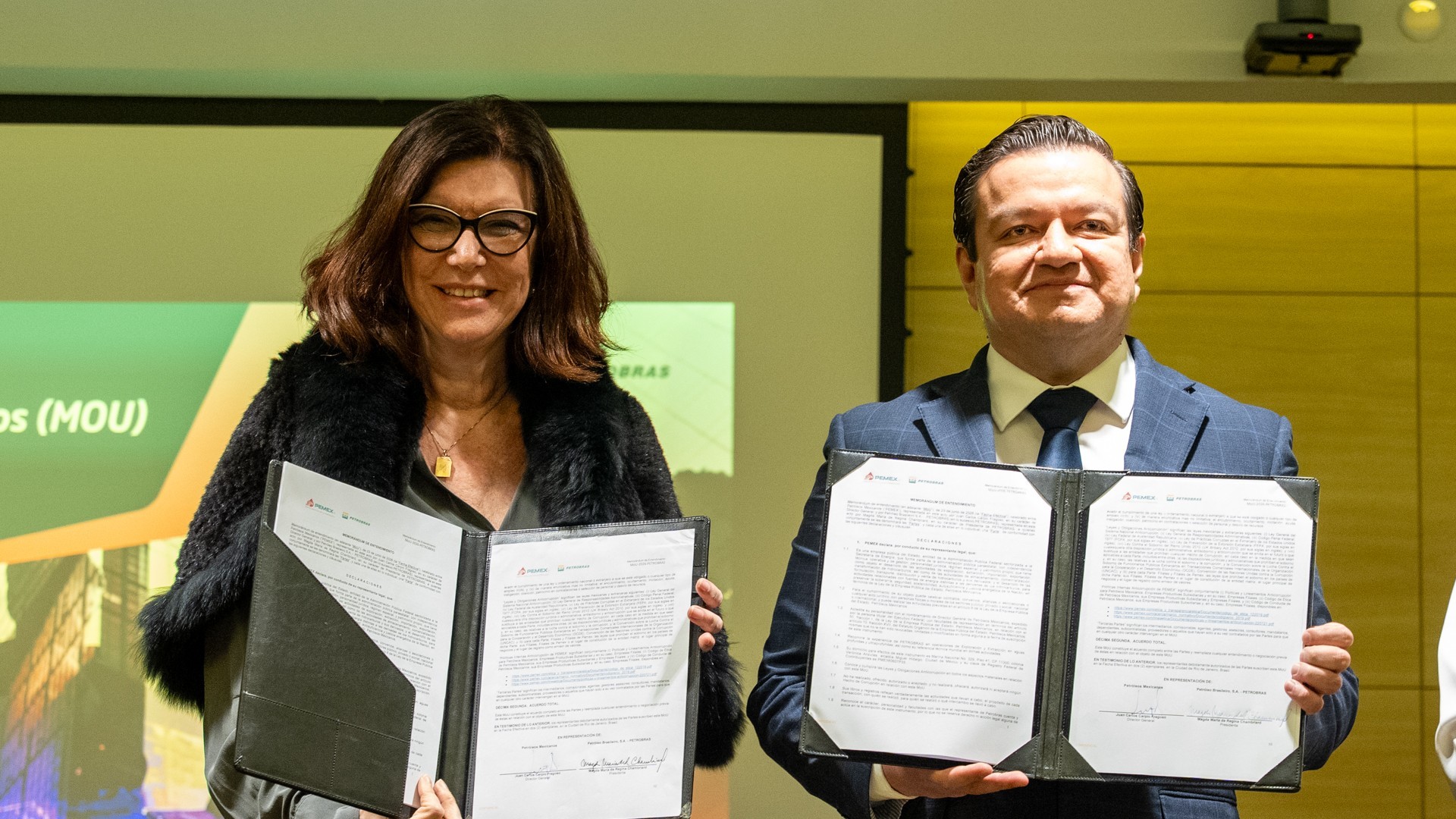
    Following the recent signing of their Memorandum of Understanding (MoU), Petrobras and Pemex have outlined the first areas of cooperation to be evaluated under the agreement, providing greater visibility into the strategic direction of the partnership.

    In the exploration and production segment, the companies will assess opportunities involving mature fields, seismic reprocessing and deepwater and ultra-deepwater projects, including potential developments in the Gulf of Mexico. The cooperation also includes the exchange of technologies and operational best practices, leveraging Petrobras’ internationally recognized expertise in complex offshore operations.

    Beyond upstream activities, the MoU covers cooperation in refining, petrochemicals, fertilizers, gas processing, energy efficiency, emissions reduction and carbon capture initiatives, reflecting a broad technical agenda between the two state-owned companies.

    The agreement is valid for two years and does not establish binding investment commitments or joint ventures. Any future projects arising from the partnership will remain subject to separate technical, commercial and regulatory evaluations.

    The announcement provides a clearer picture of the cooperation framework and confirms that the current focus remains on technical collaboration and the assessment of potential opportunities, rather than immediate investment decisions.

  • Coming Soon: WSB Seminar – Save the date

    Coming Soon: WSB Seminar – Save the date

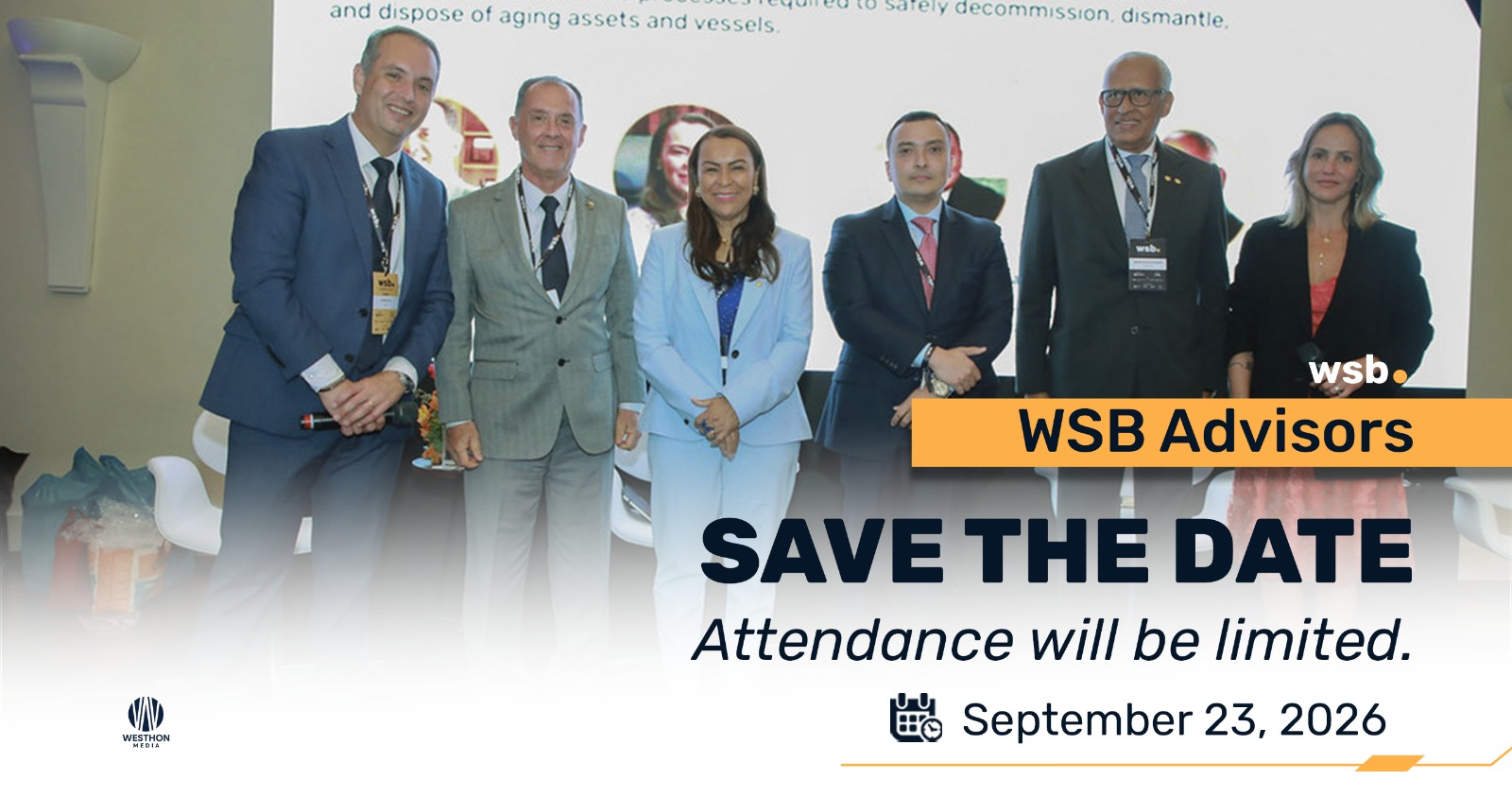
    WSB Advisors is pleased to announce the upcoming 8th edition of the WSB Advisors Seminar, our flagship event dedicated to Brazil’s offshore and maritime industries.

    Over the years, the seminar has established itself as a high-level forum, bringing together investors, CEOs, presidents, directors and senior executives to discuss the issues shaping the future of the sector. Through carefully curated panel discussions, the event provides a unique opportunity to exchange perspectives on market trends, strategic challenges and the outlook for the offshore industry.

    The seminar is intentionally designed for a limited audience, ensuring a highly qualified environment for discussions, business development and strategic relationships.

    Attendance will be limited.

    Companies interested in sponsorship opportunities and professionals interested in attending are invited to contact the WSB Advisors team.

    Further information regarding the event, including the venue, agenda, speakers and participation details, will be announced soon.