Category: Last News

  • Petrobras and Equinor expand partnership in the Campos Basin

    Petrobras and Equinor expand partnership in the Campos Basin

    Petrobras has signed an agreement to acquire a 50% stake in the Itaimbezinho block, offshore in the Campos Basin, from Equinor. With the deal, the consortium will have Equinor as operator with 50%, Petrobras with 50%, and PPSA as manager of the production-sharing contract.

    The acquisition strengthens the company’s presence in the region, where it is already active in Raia and Jaspe, and is included in Petrobras’ 2026-2030 Business Plan. Completion is subject to approval by CADE and the ANP.

  • Special WSB: Por onde anda? Vega Chaser

    Special WSB: Por onde anda? Vega Chaser

    Some vessels carry more than an IMO number. They carry the memory of a market being built.

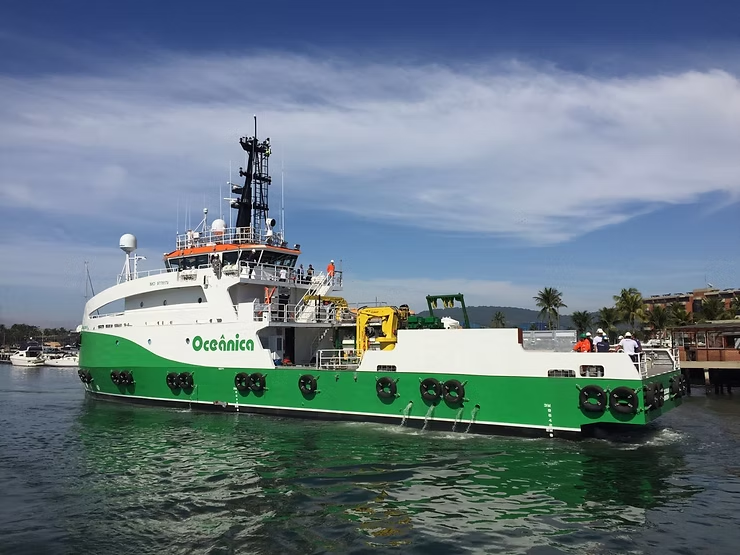
    Vega Chaser is one of them. Back in 2013, through the former Westshore, we were directly involved in the successful delivery of a series of vessels contracted by Petrobras under the newly created Vega Offshore platform in Brazil. It was a formative moment for the Brazilian offshore support market: Petrobras was driving demand, OSRV opportunities were unfolding, and Vega Offshore was being structured to serve that new cycle.

    Our dear Camila Lopes worked alongside Patricia Barbula in that venture, helping turn a commercial opportunity into a real operating company in Brazil. Vega Chaser herself tells part of that story. Originally planned with an AHTS profile, she was ultimately adapted to the OSRV market as Brazil’s demand evolved around Petrobras’ requirements. Built at Fujian Southeast Shipyard, in China, she entered the market with the scale, class and versatility expected from that generation of offshore support vessels.

    Years later, Westshore would also promote the sale of Vega Chaser, together with Vega Challenger, to Oceana, supporting the opening of its EBN structure in Brazil. That move proved successful and eventually led the vessels into CBO, where they remained for a period as part of one of the country’s most respected offshore fleets.

    Vega Chaser would then move again, this time to Bravante, where she continued her career as an OSRV. Today, she is nearing completion of another drydocking cycle and preparing to mobilize once more for Petrobras under a new contract.

    That is what makes her story worth telling. Owners changed, structures changed, strategies changed and the market itself changed. But the vessel stayed relevant.

    As Mr. Møller liked to say: “The show is at sea.”

    And Vega Chaser is still part of the show.

  • Magda Chambriard assumes chairmanship of Braskem’s Board of Directors

    Magda Chambriard assumes chairmanship of Braskem’s Board of Directors

    After her nomination was announced during the first quarter of 2026, Petrobras President Magda Chambriard has officially assumed the position of Chair of Braskem’s Board of Directors.

    The appointment reinforces Petrobras’ participation in the governance of the petrochemical company and represents another step in Braskem’s ongoing corporate reorganization process, a topic closely followed by the market since the initial announcement.

  • Petrobras advances tenders and contracting activities for Sergipe

    Petrobras advances tenders and contracting activities for Sergipe

    Petrobras continues to advance the contracting phase of the Sergipe Deepwater Project (SEAP) following the approval of investments for both SEAP I and SEAP II.

    Among the main recent developments are the progress of the competitive process for the P-81 and P-87 FPSOs, which are expected to serve the project’s first two modules, as well as ongoing procurement activities for subsea equipment and Subsea Christmas Trees (SCTs).

    The company is also preparing new tenders associated with the field development, including packages related to subsea infrastructure and the gas export system.

    With investments approved and key contracts moving into definition stages, SEAP remains one of the largest offshore contracting fronts currently under development in Brazil.

  • Petrobras begins gradual reoccupation of Edise

    Petrobras begins gradual reoccupation of Edise

    Petrobras has initiated the gradual reoccupation of the Edise building in downtown Rio de Janeiro. The move marks a new phase in the utilization of the company’s main corporate office and will be officially celebrated during an event attended by President Magda Chambriard, executive directors and invited authorities.

  • Ocean Installer enters Brazilian offshore market

    Ocean Installer enters Brazilian offshore market

    Ocean Installer has secured its first contract in Brazil through Equinor’s Bacalhau development, marking the Norwegian company’s official entry into one of the world’s most active offshore markets.

    Announced on June 3, the award covers installation of rigid jumpers between flowlines and subsea trees, flying leads installation and pre-commissioning activities for multiple wells in Bacalhau Field, located in the Santos Basin. The contract has an initial duration of approximately 4.5 years, with the first offshore campaign expected to begin in 2027.

    More significant than the contract itself is the move behind it. Alongside the award, Ocean Installer confirmed the establishment of a Brazilian subsidiary and the hiring of its first local employees, signaling a long-term commitment to the country rather than participation in a single project.

    The development adds another international subsea contractor to the Brazilian market at a time when operators continue to advance large-scale pre-salt projects and demand for offshore installation services remains strong.

    Located in water depths of approximately 2,100 meters, Bacalhau is Equinor’s largest international offshore field and the first pre-salt asset in Brazil to be fully developed by an international operator.

    The company has also indicated that it views Brazil as a long-term growth market, supported by a significant pipeline of future subsea developments. The contract reinforces both the scale of opportunities still emerging from the Brazilian pre-salt and the continued attractiveness of the country for international offshore contractors seeking long-term growth.

    Stay informed on key offshore developments — visit wsb-one.com, our data platform trusted by leading offshore companies.


  • Introducing WSB One 2.0

    Introducing WSB One 2.0

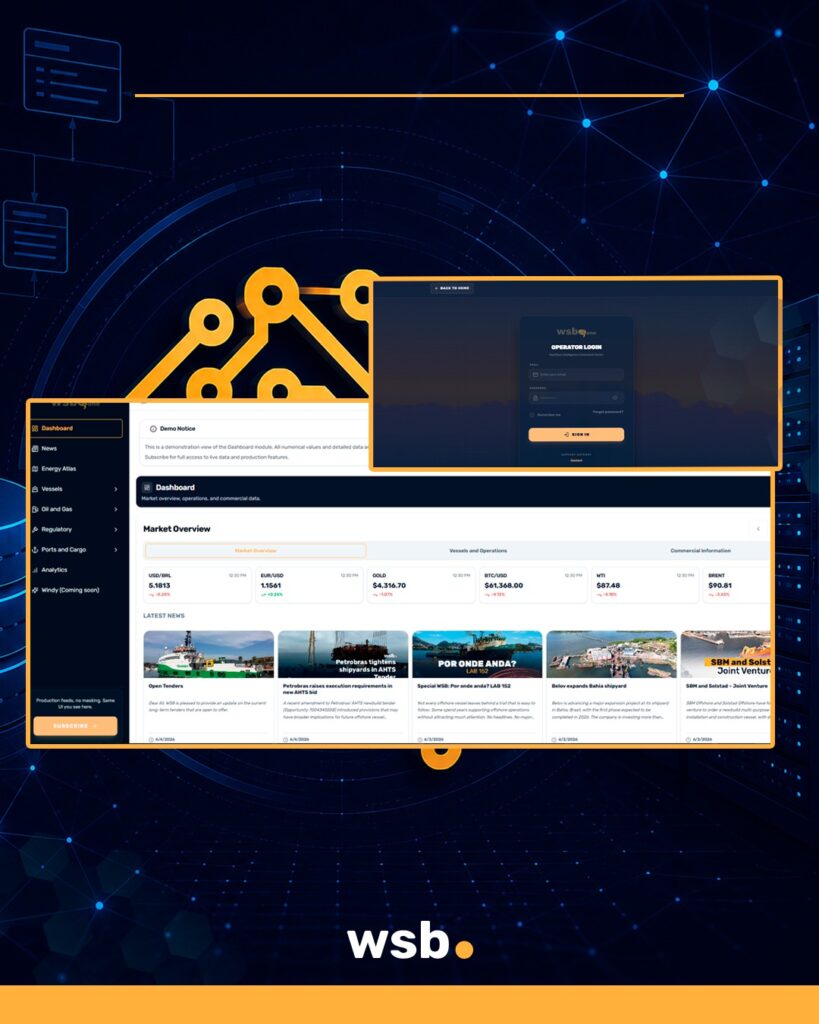
    Less than a month ago, WSB Advisors launched WSB One 2.0, the newest generation of our maritime and offshore intelligence platform.

    The offshore market has changed dramatically over the past few years. Newbuilding programs are returning, fleet renewal is accelerating, chartering activity is increasing, and investment decisions are becoming more dependent on accurate, real-time information.

    WSB One 2.0 was developed with that reality in mind.

    What began as a platform focused on tracking the lifecycle of 627 offshore vessels, tankers and FPSOs has evolved into a much broader market intelligence ecosystem.

    The new version expands vessel specifications, chartering histories and fleet monitoring while introducing new layers of intelligence, including contractual information, tonnage analysis, circularization data, field and basin productivity indicators, shipyard activity, port intelligence and market-wide analytics.

    More importantly, it transforms that information into practical tools designed to support commercial, operational and strategic decision-making.

    Whether identifying market opportunities, evaluating fleet positioning, monitoring offshore activity or supporting business development initiatives, WSB One 2.0 provides a clearer view of the market environment in which decisions are made.

    Today, the platform serves not only companies, but also brokers, operators, investors, analysts, students and professionals seeking deeper insight into one of the world’s most dynamic offshore regions. Multiple subscription plans are available to meet different intelligence needs, from individual professionals to large organizations.

    And this is only the beginning.

    Visit wsb-one.com and discover the next generation of offshore market intelligence.

  • Open Tenders

    Open Tenders

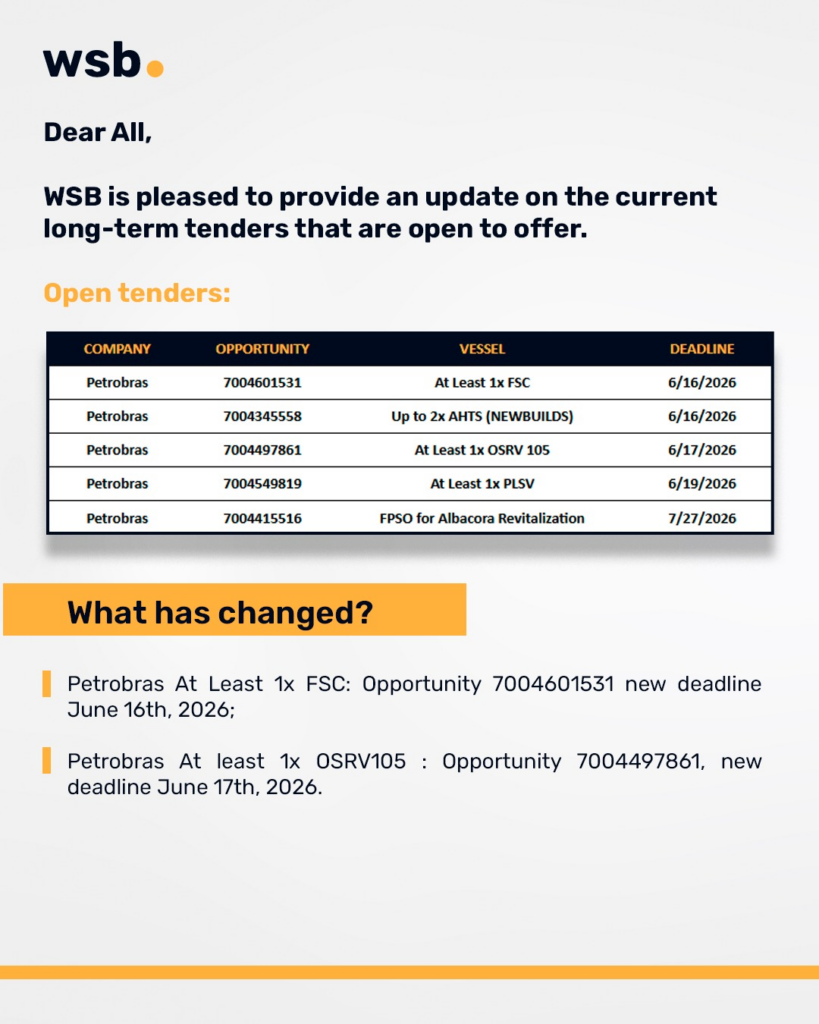
    Dear All,

    WSB is pleased to provide an update on the current long-term tenders that are open to offer.

  • Petrobras raises execution requirements in new AHTS bid

    Petrobras raises execution requirements in new AHTS bid

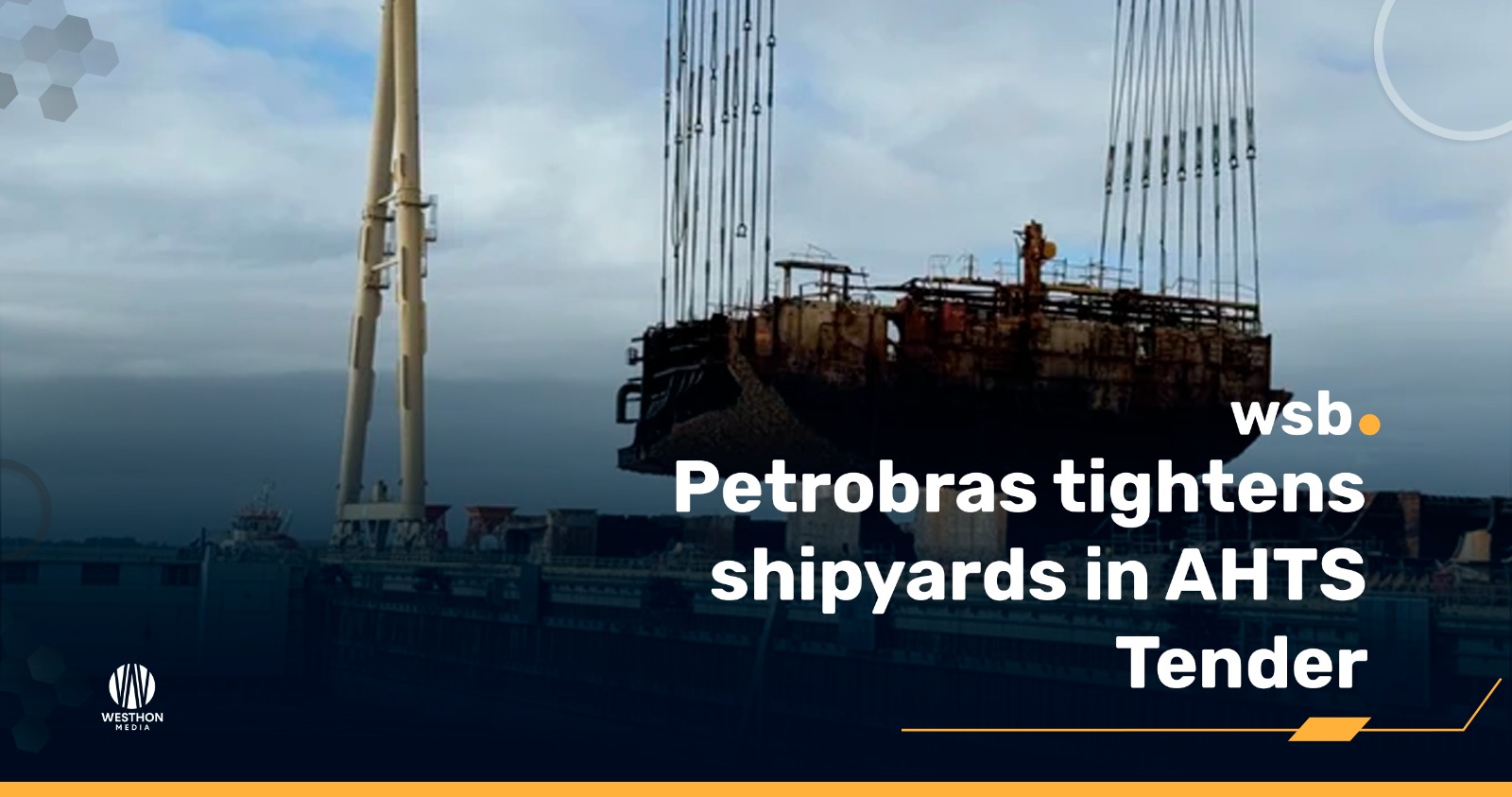
    A recent amendment to Petrobras’ AHTS newbuild tender (Opportunity 7004345558) introduced provisions that may have broader implications for future offshore vessel construction projects in Brazil.

    Under the revised rules, bidders must now submit a preliminary agreement with the shipyard responsible for building the vessel as part of their proposal. More importantly, the selected shipyard becomes contractually binding and cannot be replaced after bid submission, except under exceptional circumstances, subject to Petrobras’ prior approval and proper justification.

    The change goes beyond a procedural adjustment.

    Belov shipyard
    Belov shipyard (Source: Belov/Courtesy)

    Historically, shipyard selection has often evolved throughout project development as financing structures, construction schedules, equipment availability and industrial capacity changed over time. Petrobras is now requiring bidders to demonstrate a higher level of commitment between vessel owner and shipyard from the earliest stages of the tender process.

    The amendment does not point to any specific market participant. However, it clearly reflects Petrobras’ concern with execution risk in long-cycle offshore newbuilding programs.

    Another noteworthy aspect of the tender is the requirement for bidders to present documentation from a financial institution indicating their ability to obtain funding for vessel construction. Together with the shipyard commitment requirement, the provision strengthens Petrobras’ visibility into both industrial execution and financial readiness at the proposal stage.

    The requirements appear designed to reduce uncertainty in projects involving significant capital commitments, local content obligations, complex financing arrangements and multi-year construction schedules.

    For shipowners, shipyards and financial institutions, the message is clear: construction strategy is no longer merely part of project execution. It is becoming part of the bid itself.

    As Brazil’s offshore newbuilding market gains momentum, this may prove to be one of the most relevant contractual changes introduced in recent Petrobras tenders.

    What do you think? Is this a positive step toward reducing project execution risk, or could it limit commercial flexibility during vessel construction?

    Stay informed on key offshore developments — visit wsb-one.com, our data platform trusted by leading offshore companies.

  • Special WSB: Por onde anda? LAB 152

    Special WSB: Por onde anda? LAB 152

    Not every offshore vessel leaves behind a trail that is easy to follow.

    Some spend years supporting offshore operations without attracting much attention. No headlines. No major contract announcements. No spotlight.

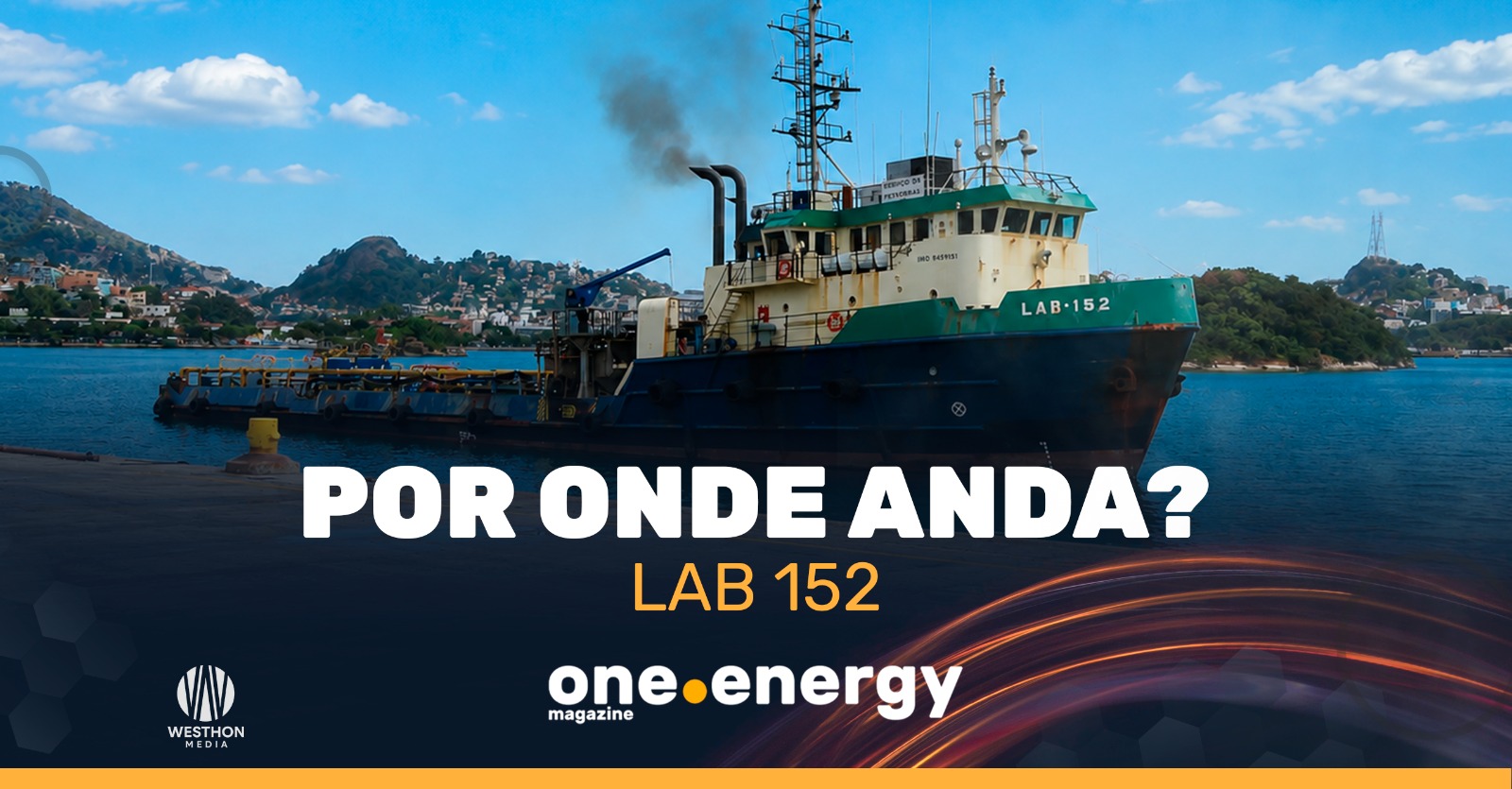
    LAB 152 was one of them.

    Built in 2008, the PSV entered service during one of the most significant expansion periods ever experienced by Brazil’s offshore industry. Petrobras was accelerating deepwater activity, demand for offshore logistics was growing rapidly, and support fleets were expanding to sustain the country’s offshore development.

    Operating under LABORDE SERVIÇOS MARÍTIMOS LTDA, LAB 152 belonged to a generation of vessels responsible for the daily routines that kept the offshore industry moving. Cargo transport, platform resupply, offshore logistics and a wide range of support activities formed part of the essential work that rarely made headlines, yet remained fundamental to offshore operations.

    With approximately 63 meters in length, a beam of 14.6 meters and a deadweight of around 1,448 tonnes, the vessel was part of a category that helped sustain offshore operations along the Brazilian coast.

    And then, the public trail begins to fade.

    Within WSB’s historical database, the most recent operational references identified for the vessel date back to 2015. After that, publicly available information becomes increasingly scarce. We found no major announcements, widely disclosed contracts, or easily accessible records explaining what happened next. That does not mean the vessel stopped operating, was scrapped, or left the market. It simply means that, from the perspective of publicly available information, her trail becomes difficult to follow.

    And that is precisely what makes this story interesting.

    Unlike other vessels featured in this series, the question is not necessarily where LAB 152 ended up, but whether anyone knows what happened afterward. Did she continue operating quietly? Is she laid up somewhere along the Brazilian coast? Was she transferred to another operation? Or is there a chapter of her history that simply never became public?

    For now, we do not have that answer.

    Which brings us to today’s question:

    Por Onde Anda? — LAB 152

    If you know, tell us.

    Next Thursday: “Por Onde Anda?” Stay tuned.

    Stay informed on key offshore developments — visit wsb-one.com, our data platform trusted by leading offshore companies.
  • Belov expands Bahia shipyard

    Belov expands Bahia shipyard

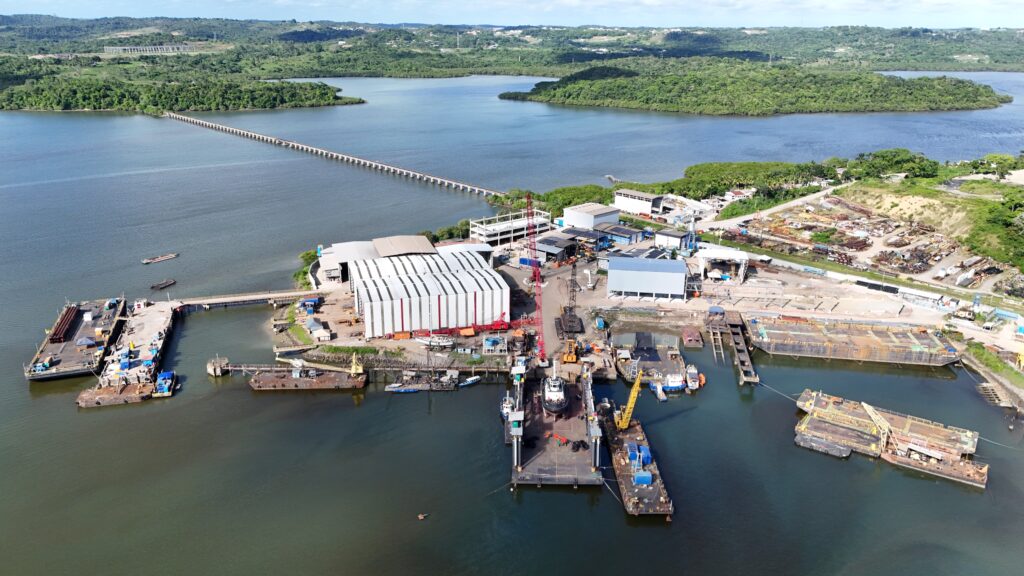
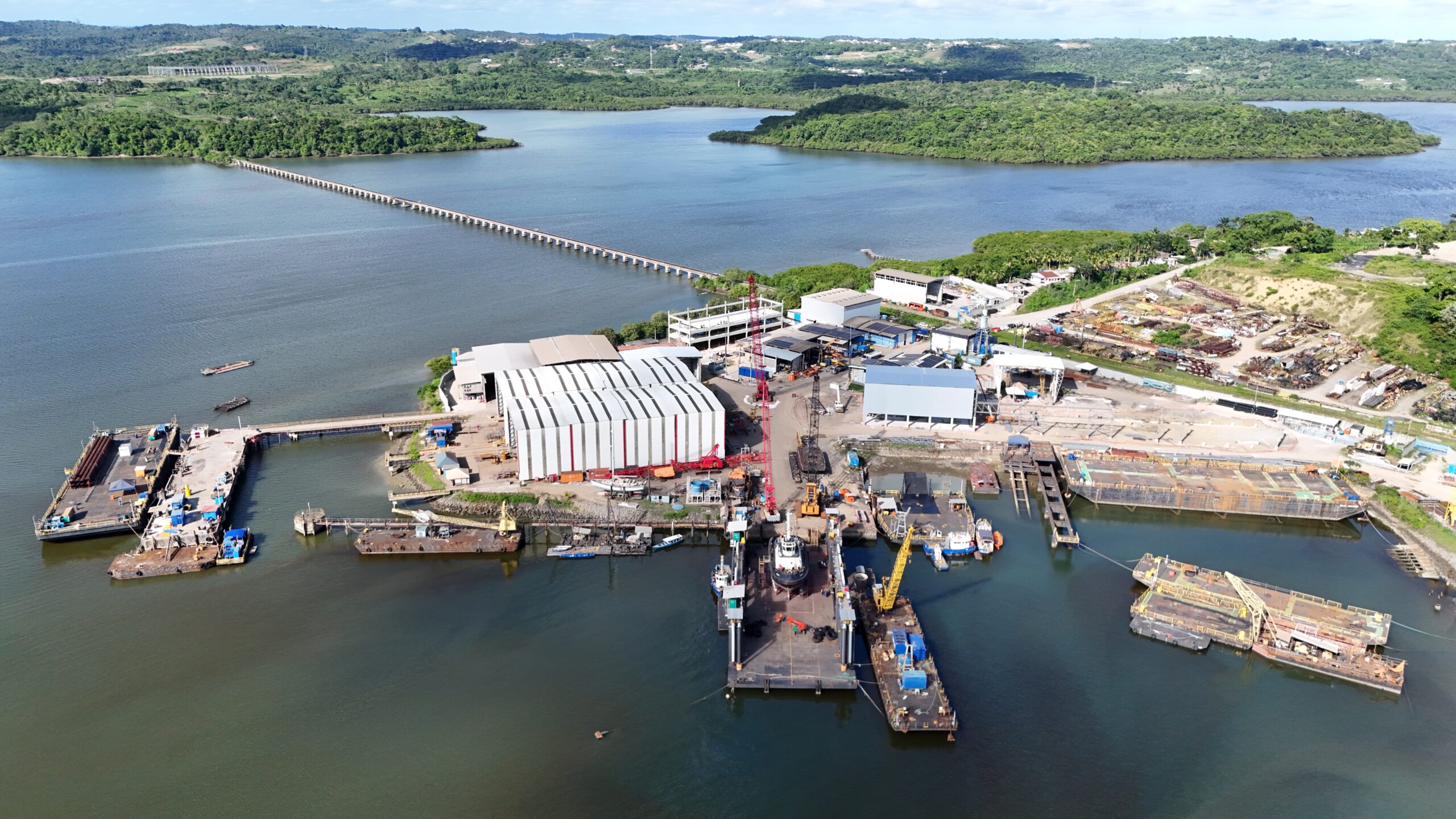
    Belov is advancing a major expansion project at its shipyard in Bahia, Brazil, with the first phase expected to be completed in 2026. The company is investing more than R$70 million in the development, which is expected to generate over 2,500 direct and indirect jobs.

    The expansion includes increasing the shipyard’s covered industrial area from 12,000 square meters to 16,000 square meters, constructing new administrative and production facilities, and upgrading manufacturing operations through automation and equipment modernization.

    Once completed, the project is expected to more than double annual production capacity, increasing output from 5,500 tonnes to more than 11,000 tonnes per year.

    According to the company, the upgrades will improve operational efficiency and strengthen the yard’s ability to execute larger and more complex projects.

    Belov is also expanding its solar power generation capacity and implementing construction methods aimed at reducing waste and improving environmental performance.

  • SBM and Solstad – Joint Venture

    SBM and Solstad – Joint Venture

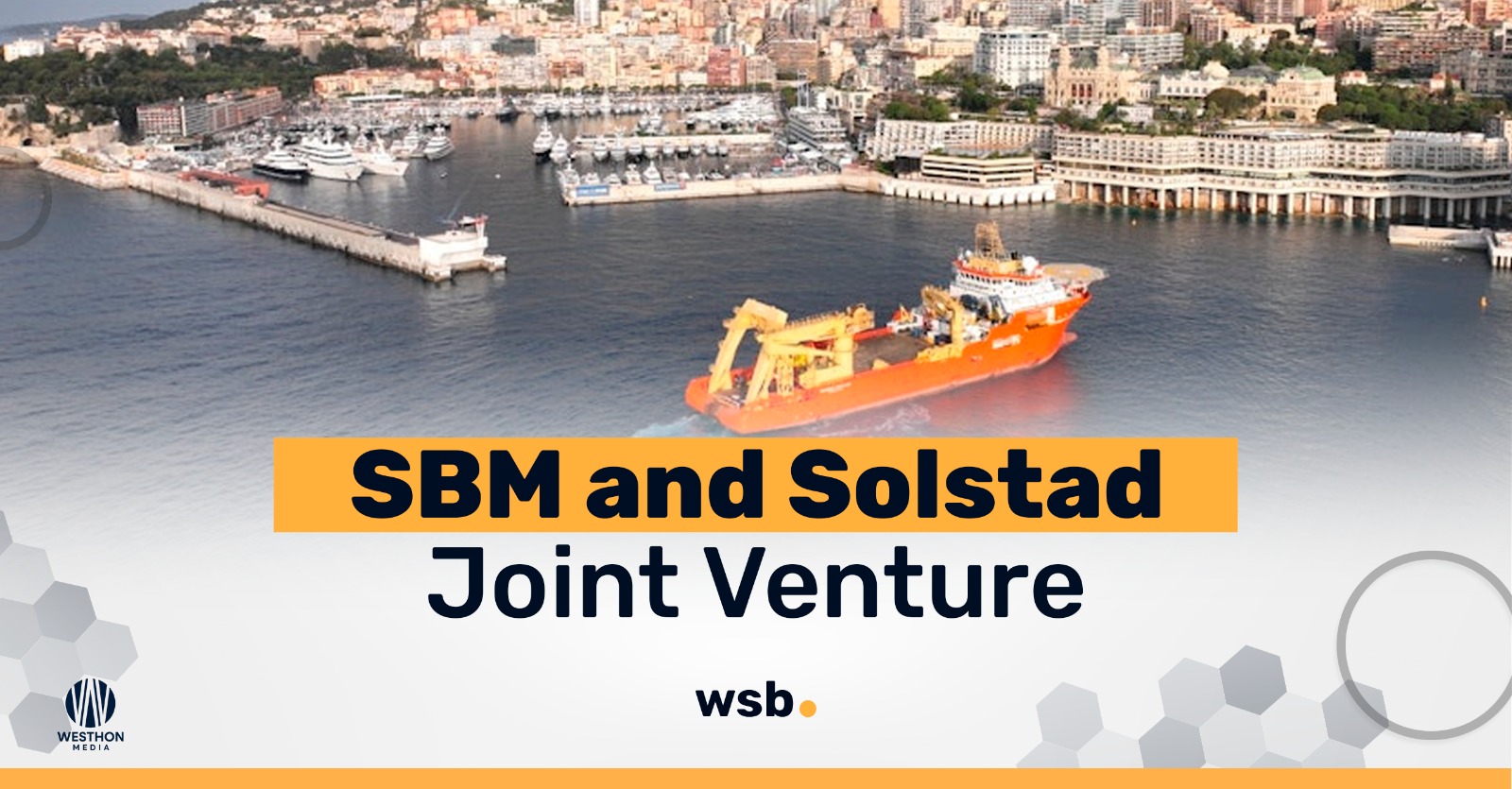
    SBM Offshore and Solstad Offshore have formed a joint venture to order a newbuild multi-purpose deepwater installation and construction vessel, with delivery targeted for the first half of 2029.

    The vessel will support the installation of ocean infrastructure, including FPSOs, and is designed for operations in both shallow and deepwater environments. The project builds on the long-standing cooperation between SBM and Solstad around the CSV Normand Installer, which has supported SBM’s offshore installation activities for years.

    Under the structure, Solstad Offshore will hold 50.1% of the joint venture, while SBM Offshore will own 49.9%. Solstad will act as ship manager and SBM will charter the vessel for its own offshore projects. When not required by SBM, the vessel may be chartered to third parties.

    The joint venture has already secured an initial 14-year charter agreement with SBM Offshore, guaranteeing minimum utilization of 270 days per year, with extension options that could add up to 11 additional years.

    The selected shipyard has not yet been disclosed.

    For Brazil, the announcement is strategically relevant. SBM remains one of the leading FPSO contractors active in the country, with exposure to major offshore developments and future deepwater projects. While no Brazilian assignment has been announced for the vessel, additional installation capacity could support SBM’s global FPSO pipeline, a portfolio in which Brazil continues to play a central role.