1. Mota-Engil secures R$728 million decommissioning contract with Petrobras
Mota-Engil has signed a new contract with Petrobras worth R$728 million to execute subsea decommissioning services in Campos Basin. The five-year agreement includes engineering, preparation, removal and final disposal of offshore structures, reinforcing ongoing efforts to advance Brazil’s decommissioning agenda.
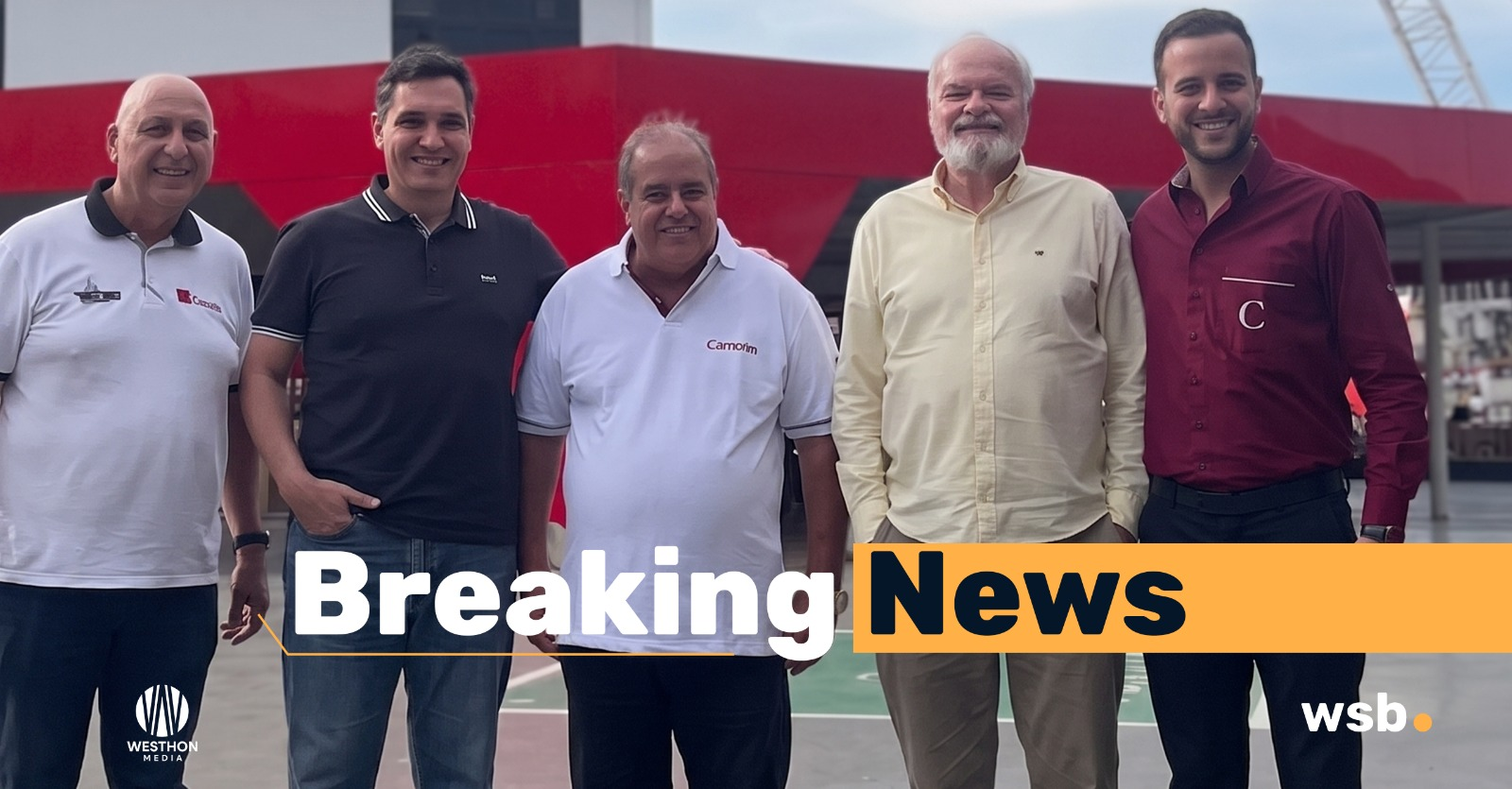
2. Camorim advances into heavy-lift segment with new Super Derrick Barge
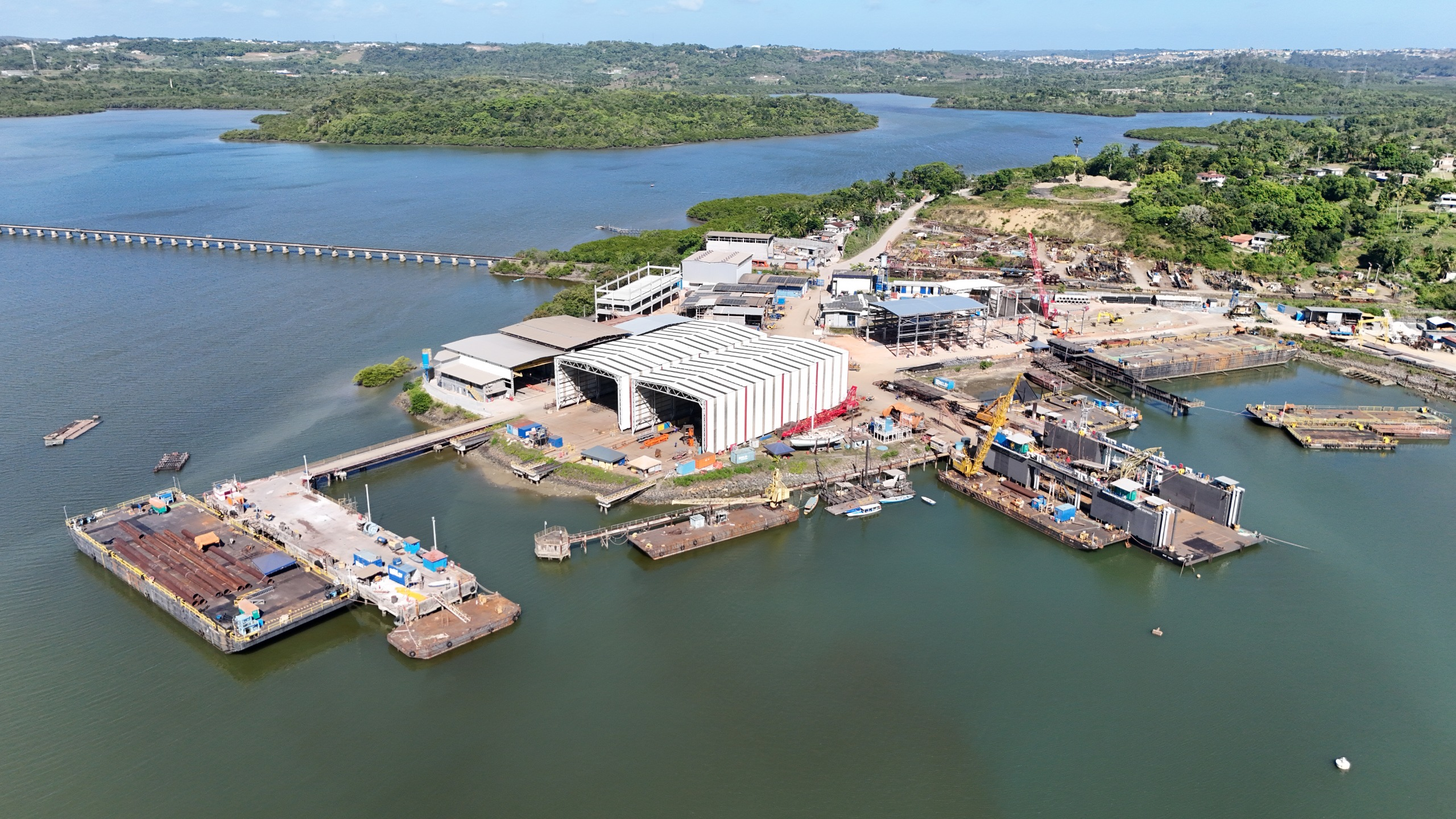
Camorim confirmed the construction of a Super Derrick Barge (Super Cábrea) in partnership with Grupo Tomé, marking a strategic move into larger-scale lifting operations within Brazil’s maritime and offshore support segment. The project involves an investment of R$52 million and will be built at Estaleiro Juruá, in Manaus. The unit is scheduled to enter operation in March 2027.
Technical specifications indicate a lifting capacity of 750 tons, supported by an eight-point anchoring system, positioning the asset to support complex offshore installation, decommissioning and logistics operations.
Although Camorim already operates barges and derrick units, this project represents its first asset at this scale, signaling a step-change in operational capability and market positioning. According to company leadership, the investment is aligned with fleet expansion strategy and aims to increase participation in higher-complexity offshore projects in Brazil.
3. Halliburton signs multibillion unconventional contract with YPF
Halliburton has signed a long-term, exclusive contract with YPF to provide integrated unconventional completion services in Vaca Muerta. Although financial details were not disclosed, the agreement was described as a multibillion-dollar deal, further strengthening Halliburton’s position in Argentina’s shale development.
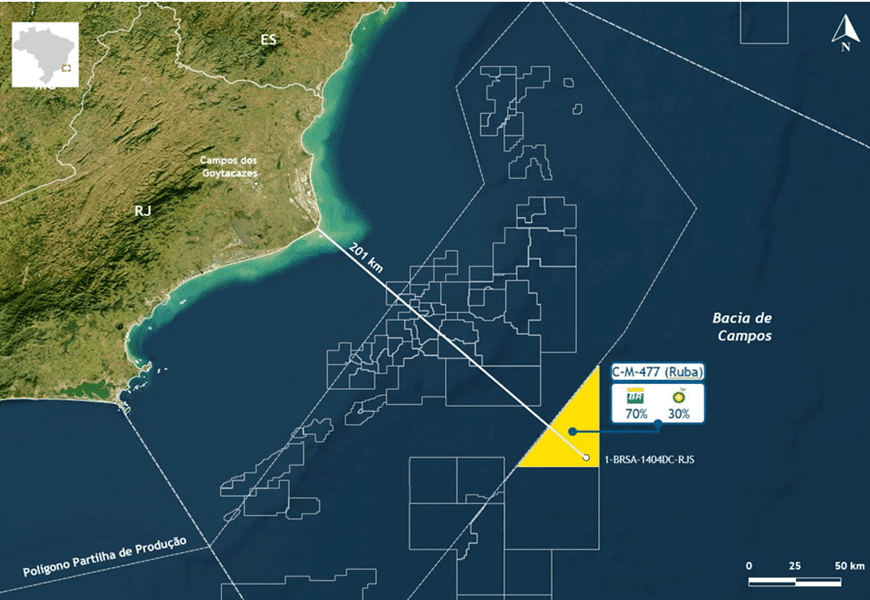
Petrobras has announced this Monday (April 13) a new hydrocarbon discovery in the pre-salt section of the Campos Basin, confirming the presence of hydrocarbons in an exploratory well drilled in the SC-AP4 sector, block C-M-477, located 201 kilometers offshore the state of Rio de Janeiro at a water depth of 2,984 meters.
According to the company, the hydrocarbon-bearing interval was identified through electric logs, gas indications and fluid sampling. The collected samples will now undergo laboratory analysis to characterize the reservoir and fluid conditions, a step that will support the ongoing assessment of the area’s exploratory potential.
The announcement adds to Petrobras’ efforts to replenish reserves in mature offshore areas, with the company maintaining 70% interest in the block alongside BP, which holds the remaining 30%.
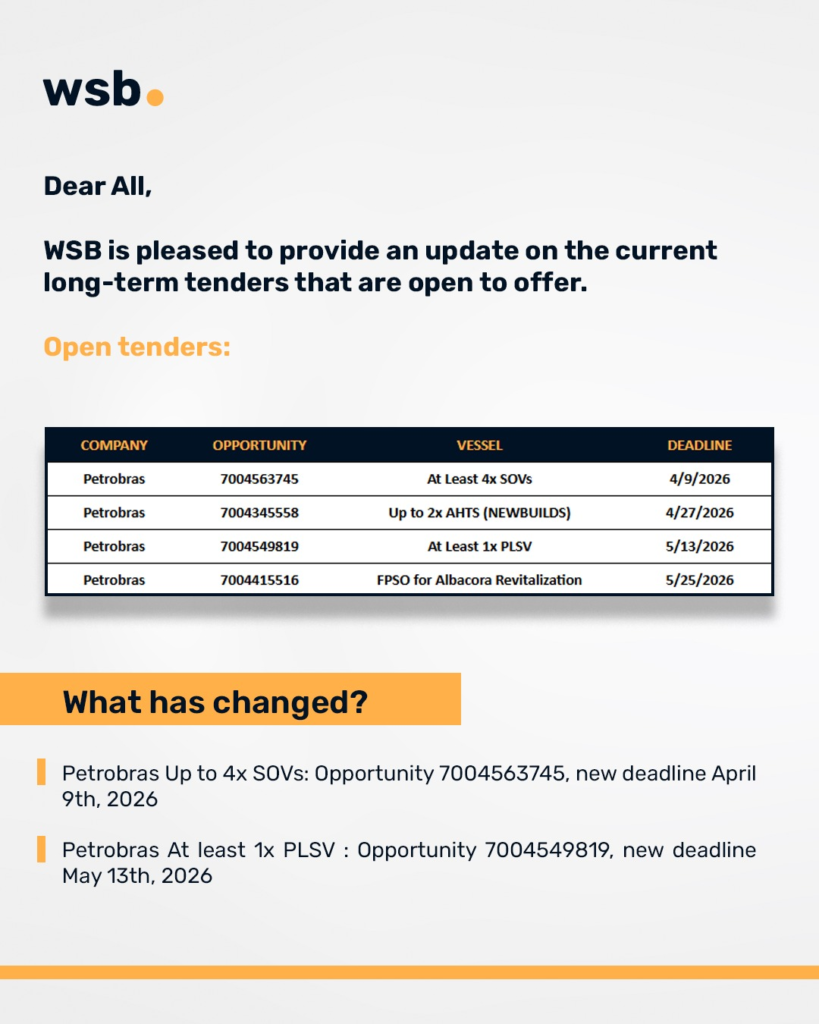
WSB is pleased to provide an update on the current long-term tenders that are open to offer.
Open tenders:
New deadlines were released across ongoing Petrobras opportunities. Below are the latest changes monitored by WSB Advisors.
What has changed?
Petrobras — Up to 4x SOVs: Opportunity 7004563745, new deadline April 10th, 2026 • Petrobras — FPSO for Albacora Revitalization: Opportunity 7004415516, new deadline July 6th, 2026
What else is happening?
Subsea7 signed a supermajor contract, exceeding USD 1.25 billion, with Petrobras for the development of the Sépia 2 field in the Santos Basin pre-salt, located approximately 280 km offshore Rio de Janeiro. The scope includes engineering, procurement, fabrication, installation and pre-commissioning of subsea systems for 17 wells, as well as a gas export line. Project management and engineering activities are set to start immediately, with offshore operations scheduled from 2029.
Stay informed on key offshore developments — visit wsb-one.com, our data platform trusted by leading offshore companies.
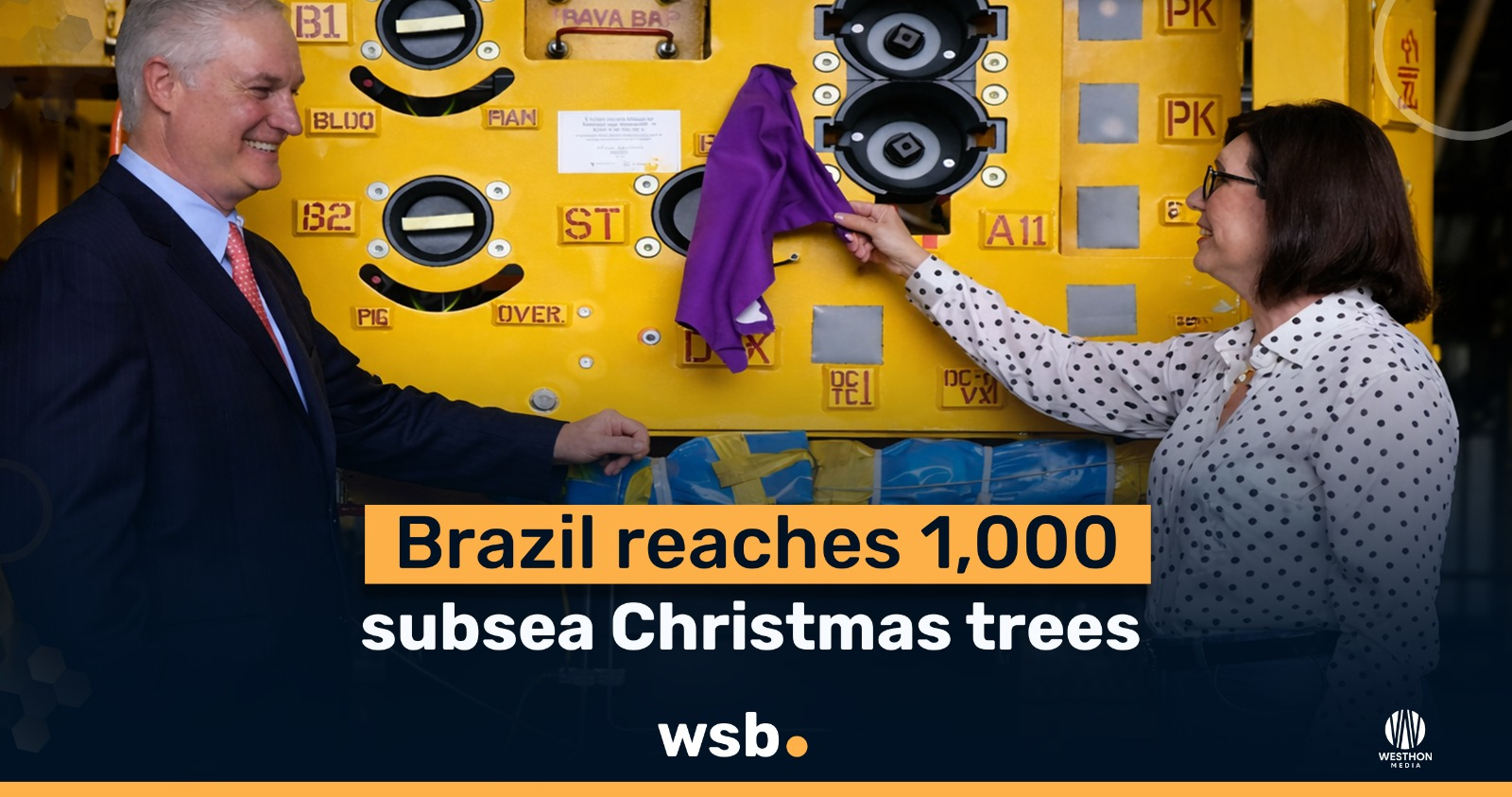
Brazil’s offshore industry reached a new milestone in April 2026 with the manufacturing of its 1,000th subsea Christmas tree, set to be installed in the Búzios Field, operated by Petrobras.The milestone was highlighted during an event attended by Magda Chambriard, reinforcing the strategic role of subsea systems in sustaining Brazil’s offshore production growth.
Subsea Christmas trees are critical components installed on the seabed to control oil and gas flow. In Brazil’s pre-salt, they operate in water depths exceeding 2,000 meters and under high-pressure, high-temperature (HPHT) conditions, requiring high-spec engineering and long-term reliability.
Source: Courtesy/Technip FMC
More than half of the 1,000 units produced to date have been deployed in Petrobras-operated fields, with the majority linked to developments in the Santos Basin — particularly Búzios, currently producing over 1 million barrels of oil per day and ranking among the most productive deepwater assets globally.
The equipment has largely been supplied through long-term partnerships with companies such as TechnipFMC, reflecting decades of technological development and consolidation of Brazil’s subsea supply chain.
Strong visibility for subsea contractors in Brazil Búzios consolidates its position as the main offshore demand hub Continued reinforcement of local content and subsea manufacturing capacity
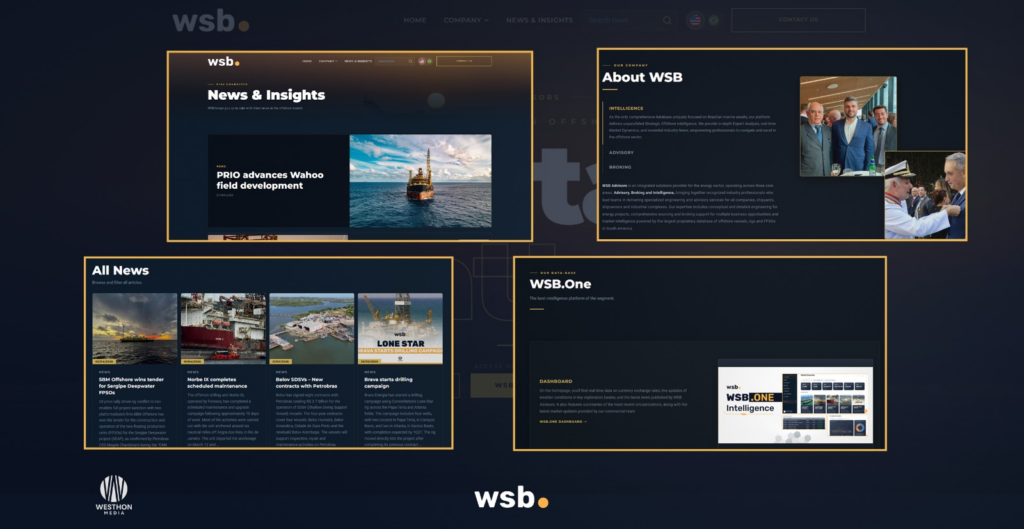
Have you checked out the new WSB Advisors website?
Our Intelligence, Advisory, and Brokerage platform is now live with a fresh new look, featuring greater interactivity, intuitive navigation, and a much smoother user experience. All of this in a faster, more responsive environment designed to enhance user comfort.
In addition to the well-established English version, the website now also offers a fully localized Portuguese version, further expanding our reach.
Same address. Same team. A brand-new experience.
– cms.oneenergynews.com – goes beyond delivering up-to-date market insights, always backed by the sharp perspective of our broker team. The platform also provides direct access to key WSB assets, including One Energy magazine and the WSB One database.
In just a few clicks, you can learn more about our journey, explore our team, and understand why choosing WSB Advisors is always a strategic decision.
We Smart Your Business
Want to be featured on our new platform? Get in touch.
PRIO announced the start-up of the third producing well at the Wahoo Field, in the Campos Basin, with production stabilized at approximately 10,000 barrels of oil per day.
With three wells online, field output has been adjusted to around 32,000 barrels per day as part of the ramp-up process. The company expects to bring a fourth well online by the end of April, which should increase production to approximately 40,000 barrels per day.
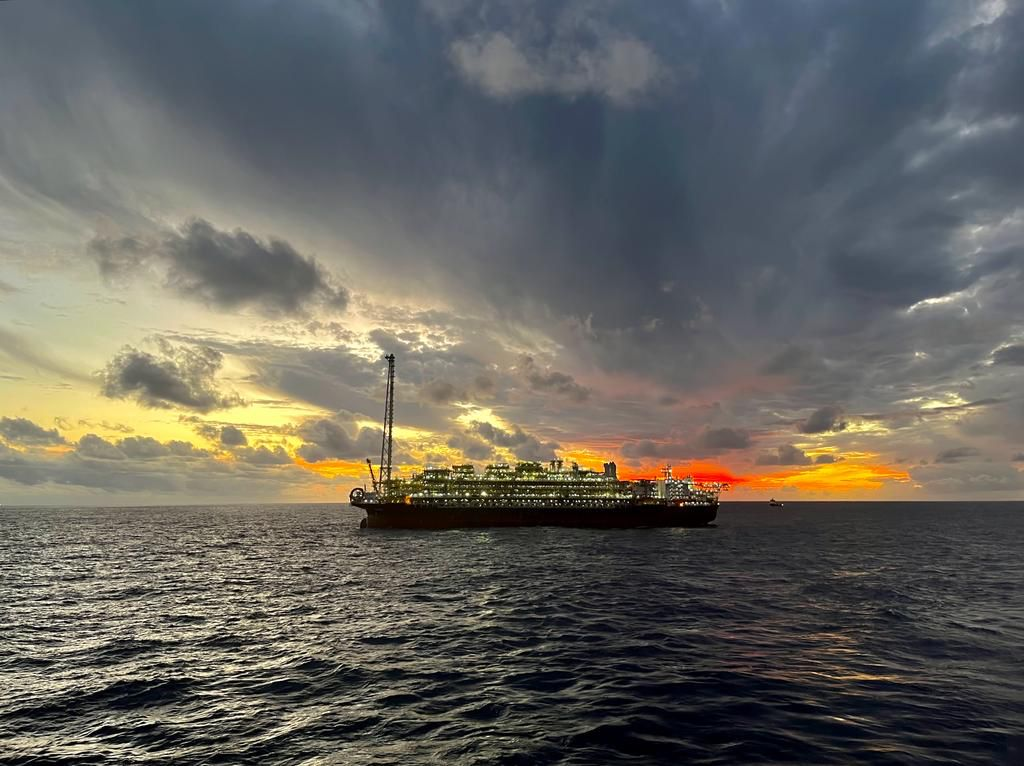
As the first field fully developed by PRIO, Wahoo is connected to the Frade Field through a subsea tieback of approximately 30 km, with processing carried out by the FPSO Valente, which has a capacity of up to 100,000 barrels per day.
In March, PRIO reported total production of approximately 161,000 barrels of oil equivalent per day, representing an increase of around 8% compared to February.
Constellation Oil Services announced on April 1, 2026, that it has secured contract extensions with Petrobras for three offshore drilling rigs, adding approximately $1.1 billion to its backlog and reinforcing long-term revenue visibility.
The agreements cover the Brava Star, Gold Star and Alpha Star units and represent a multi-year extension of contracted operations. As a result, Constellation’s total backlog increases to around $2.8 billion, with coverage extending through 2030.
The most significant extension was awarded to the drillship Brava Star, which secured a four-year extension through December 2030, valued at approximately $569 million. The unit will continue operating in the Búzios field, in the Santos Basin, and will undergo technological upgrades, including the implementation of managed pressure drilling (MPD) systems starting in 2027.
Meanwhile, the semi-submersible rigs Gold Star and Alpha Star, both built in 2009, were awarded extensions of approximately two years and ten months, keeping them contracted through 2028. The extensions add roughly $266 million and $300 million to the backlog, respectively, and include expanded scopes such as integrated riser services and support for well intervention and decommissioning activities.
All contracts will commence immediately after the expiration of the current terms, ensuring operational continuity for the units. The agreements also include the implementation of new safety-focused technologies on the drill floor, particularly for the Brava Star and Alpha Star units.
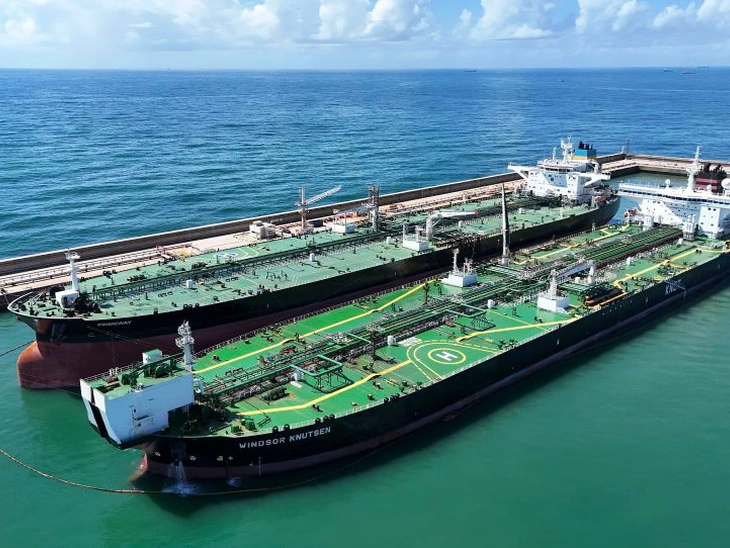
Vast Infraestrutura has successfully completed the first crude oil transshipment operation for ExxonMobil in Brazil, marking a significant milestone in the country’s oil export logistics.
The operation was carried out at the T-Oil terminal, located at the Port of Açu in northern Rio de Janeiro state, and involved the transfer of approximately 1 million barrels from the Bacalhau field for export to international markets.
The operation deployed two Suezmax-class tankers — Primeway and Windsor Knutsen — highlighting the terminal’s capability to handle large-scale offshore logistics operations tied to Brazil’s pre-salt developments.
According to the company, the milestone reinforces the efficiency, safety, and reliability of the T-Oil terminal in supporting complex offshore projects. The facility is currently the only terminal in Brazil authorized to handle VLCC vessels and has a licensed capacity of up to 1.2 million barrels per day.
The crude originated from the Bacalhau field in the Santos Basin, ExxonMobil’s first producing project in Brazil after more than a century of presence in the country. The asset is operated by Equinor (40%), in partnership with ExxonMobil Brazil (40%) and Petrogal Brasil (20), under a production sharing regime.
With ExxonMobil joining its client portfolio, Vast further strengthens its position as a key crude oil export hub in Brazil. The company has been playing an increasingly strategic role in supporting the country’s growing offshore production and export capacity.
Oil price rally driven by conflict in Iran enables full project sanction with two platforms Dutch firm SBM Offshore has won the tender for the construction and operation of the two floating production units (FPSOs) for the Sergipe Deepwater project (SEAP), as confirmed by Petrobras CEO Magda Chambriard during the “CNN Talks” event this Wednesday (April 1). The award of both units — SEAP I and SEAP II — was made possible by the recent upswing in international oil prices, which has improved the project’s economic attractiveness.
“With this increase in oil prices, we are now able to move forward with SEAP I,” Chambriard said, referring to the second platform, whose bankability had been contingent on a more favorable price environment. Brent crude has surged above $100 per barrel in recent weeks, driven by the conflict involving the United States, Israel, and Iran, which led to a partial closure of the Strait of Hormuz — a critical chokepoint through which roughly 20% of the world’s oil supply transits.
Magda Chambriard (Source: Petrobras)
Production capacity and infrastructure
The combined capacity of the two platforms is expected to reach 200,000 barrels of oil per day and 18 million cubic meters of natural gas per day. Each FPSO will be capable of processing up to 120,000 barrels of oil and 12 million cubic meters of gas, with output transported to shore via a pipeline system spanning approximately 128 kilometers (100 km offshore and 28 km onshore).
The SEAP project encompasses seven fields declared commercial by Petrobras in December 2021 — Agulhinha, Agulhinha Oeste, Budião, Budião Noroeste, Budião Sudeste, Cavala, and Palombeta — located within the BM-SEAL-4, BM-SEAL-4A, BM-SEAL-10, and BM-SEAL-11 concessions, roughly 80 kilometers off the coast of Sergipe in the Sergipe-Alagoas Basin.
Brazil’s National Petroleum Agency (ANP) recently approved an extension of the concession contracts, pushing SEAP I’s term to 2055 and SEAP II’s to 2057. The move provides greater regulatory certainty and is expected to increase recoverable oil and gas volumes by 14.5%, according to the regulator.
Project trajectory and market context
Originally slated for startup in 2026, SEAP has undergone two schedule revisions — first to 2028 and later to 2030. The final investment decision (FID) for the first platform, SEAP II, was approved by Petrobras in December 2025 and included in the company’s firm investment portfolio under its 2026–2030 Strategic Plan. SEAP I, meanwhile, had been classified as a “target project,” dependent on favorable market conditions. The tender followed a Build, Operate and Transfer (BOT) model, under which SBM Offshore will construct and operate the units before transferring ownership to Petrobras at the end of the contract term. The company submitted the most competitive technical and commercial bids for both platforms in a process concluded in March.
The recent rise in oil prices — with Brent trading above $100 per barrel since the onset of the Iran conflict in March — proved decisive in securing the economic viability of the second unit. When Petrobras released its strategic plan in November 2025, it outlined total investments of $109 billion, including $81 billion in firm projects and $28 billion in conditional projects. SEAP I was among those contingent on market conditions. Analysts at Bank of America forecast Brent will remain around $100 per barrel throughout 2026, with an annual average of $92.50 — a pricing environment that supports the project’s economics.
SBM Offshore and its footprint in Brazil
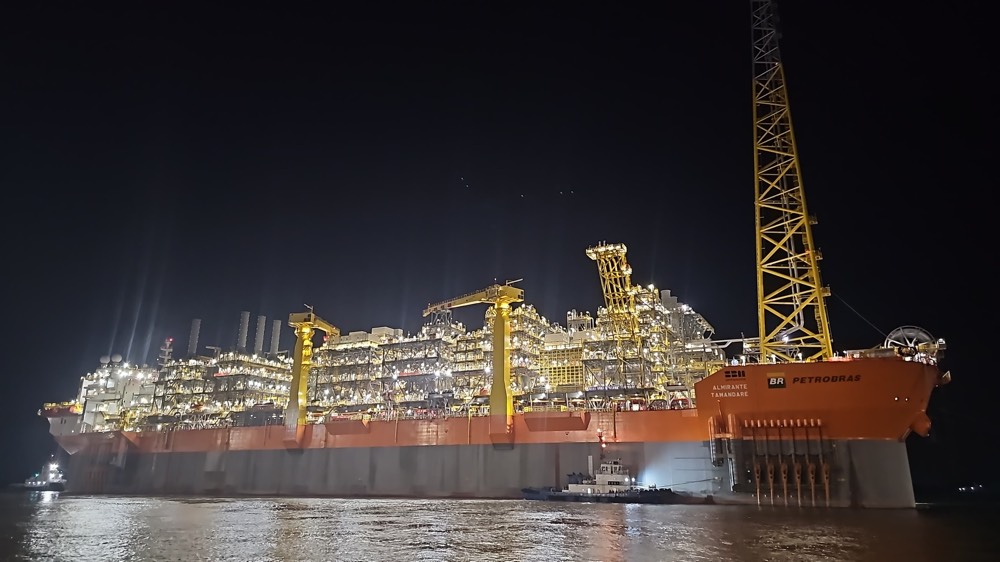
SBM Offshore is a longstanding supplier to Petrobras, with nine FPSOs currently operating in Brazilian waters. The company is particularly active in the Santos Basin, supporting pre-salt developments such as Mero, Búzios, and Tupi. The FPSOs Almirante Tamandaré and Alexandre de Gusmão, each with a capacity exceeding 180,000 barrels per day, began operations in 2025 at the Mero field.
FPSO Almirante Tamandaré (Source: Petrobras)
According to a company statement released in November 2025, the bids for SEAP I and II underscore SBM Offshore’s “leading position in the large and complex FPSO segment.” While competing globally with Asian shipyards, the company maintains approximately 50% of its operations in Brazil, as noted by CEO Øivind Tangen.
Regional impact and outlook
Startup of the SEAP project is scheduled for 2030, with SEAP II expected to come online first, followed by SEAP I roughly one year later. Studies by the Government of Sergipe estimate total investments of $5 billion (approximately BRL 25 billion) and a cumulative impact of up to BRL 37.8 billion on the state’s GDP over the project lifecycle.
The development is considered strategic for expanding Brazil’s domestic natural gas supply, with potential to serve thermoelectric power plants, fertilizer industries, and energy-intensive consumers in the Northeast. Petrobras signed a memorandum of understanding with the Sergipe state government in March to support commercialization of the gas, while the state is actively working to attract industrial consumers that can benefit from the new infrastructure.
The tender for the export gas pipeline is expected to be launched later in 2026, with startup aligned with first production in 2030. With the FPSO contracts now awarded, workstreams related to subsea infrastructure — including production and injection systems to tie back wells to the floating units — are set to move forward. SEAP represents the first new deepwater oil and gas frontier outside the Santos Basin since the pre-salt discoveries, positioning Sergipe as an emerging player in Brazil’s energy sector after decades of production concentrated in mature onshore fields.
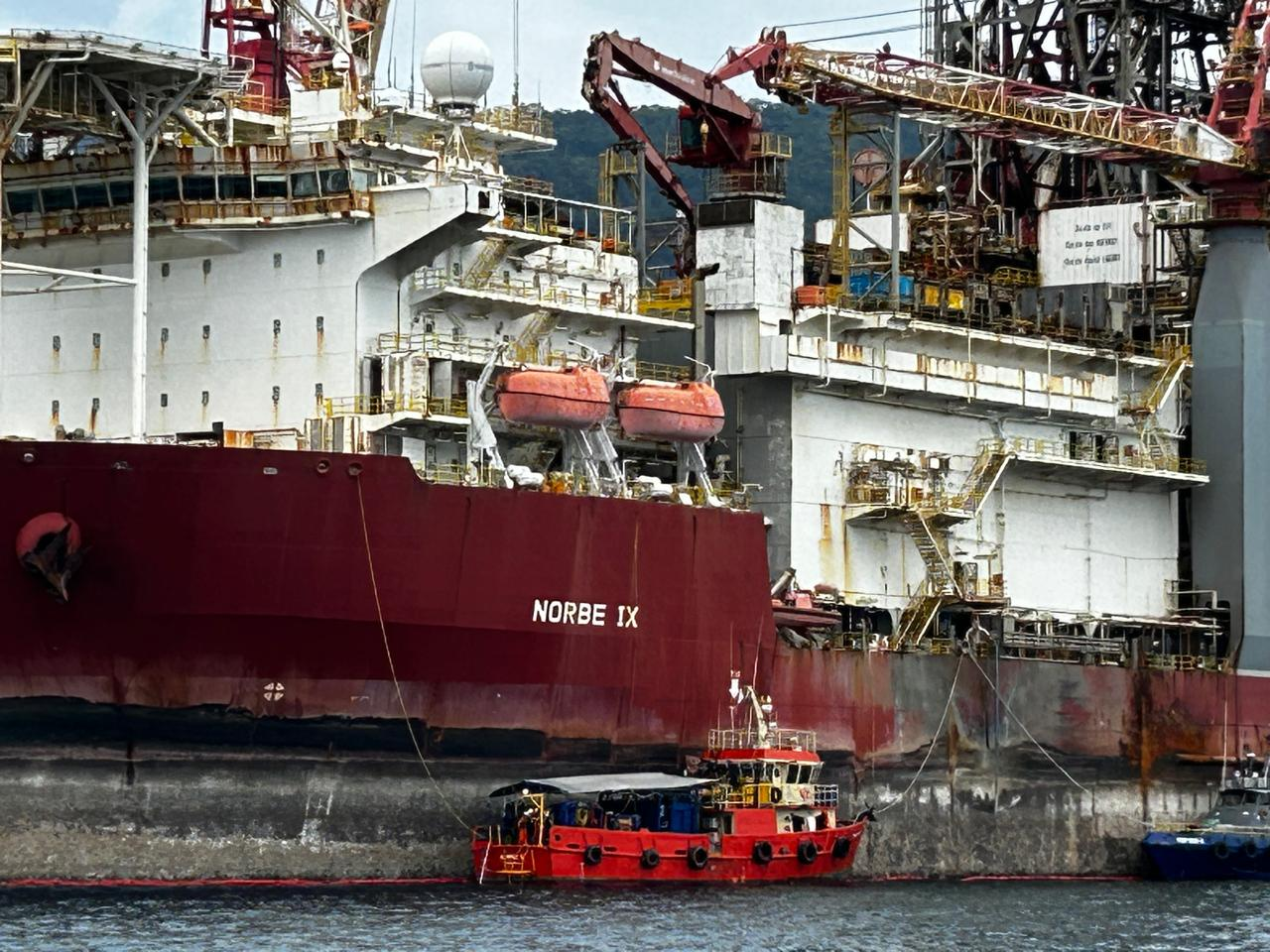
The offshore drilling unit Norbe IX, operated by Foresea, has completed a scheduled maintenance and upgrade campaign following approximately 70 days of work. Most of the activities were carried out with the unit anchored around six nautical miles off Angra dos Reis, in Rio de Janeiro.
The unit departed the anchorage on March 12 and underwent a series of operational tests before being cleared to resume activities. Foresea confirmed that operations under a new three-year contract with Petrobras began on March 30, with the rig deployed in the Santos Basin, supporting developments in the Sépia and Atapu fields.
According to the company, the campaign was conducted as part of a Special Periodic Survey (SPS), including integrity verification, upgrades to critical systems and equipment, and operational improvements aimed at enhancing safety and efficiency. Approximately 1,600 personnel were involved in the works, totaling more than 260,000 man-hours, and the scope also included updates to the unit’s internal layout.
“It is another scheduled stop delivered successfully, the result of a large-scale effort involving hundreds of employees and partners. This level of planning and execution ensures Norbe IX is ready for another three-year campaign, operating without interruptions and within Foresea’s performance standards,” said Heitor Gioppo, COO of Foresea.
Built in 2011 by Daewoo Shipbuilding & Marine Engineering, the Norbe IX is a sixth-generation ultra-deepwater drilling unit equipped with DP3 dynamic positioning. It is capable of operating in water depths of up to 3,048 meters (10,000 ft) and drilling wells to approximately 12,195 meters (40,000 ft). The unit has accommodation capacity for around 180 personnel and is equipped with a 15,000 psi BOP system.
With this contract, Foresea stated that its fleet remains fully contracted at least through the end of 2026.
With this contract, Foresea stated that its fleet remains fully contracted through at least the end of 2026.
Belov has signed eight contracts with Petrobras totaling R$ 2.7 billion for the operation of SDSV (Shallow Diving Support Vessel) vessels.
The four-year contracts cover four vessels: Belov Humaitá, Belov Amaralina, Cidade de Ouro Preto and the newbuild Belov Arembepe.
The vessels will support inspection, repair and maintenance activities on Petrobras offshore platforms, with contract start-ups scheduled in phases between 2H26 and 2H27.
The award strengthens fleet utilization and provides medium-term visibility, while supporting Belov’s expansion with the addition of Belov Arembepe, expected to be delivered in 2H27.