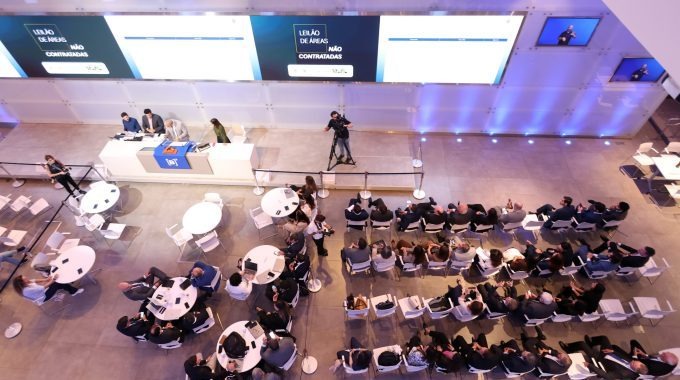
Brazil’s Ministry of Mines and Energy and Pré-Sal Petróleo S.A. signed on March 10 contracts transferring Union rights in non-contracted portions of shared reservoirs in Mero Field and Atapu Field, located in pre-salt of Santos Basin.
Areas were acquired by a consortium formed by Petrobras and Shell in December 2025 auction of non-contracted areas, held at B3.
Key transaction terms:
Total consideration: ~R$ 8.8 billion
Premium over minimum price: R$ 337 million
Union stake transferred: 3.5% in Mero / 0.95% in Atapu
Effective transfer date: March 1, 2027
Until transfer becomes effective, oil and gas production from these areas remains property of Brazilian Union and will continue to be marketed by Pré-Sal Petróleo S.A..
Auction marked first implementation of monetization mechanism based on Production Individualization Agreements (AIPs), allowing government to commercialize participation in non-contracted portions of producing reservoirs.
Mero Field and Atapu Field remain among most productive assets in Brazilian pre-salt, reinforcing strategic importance of Santos Basin in long-term offshore supply outlook.
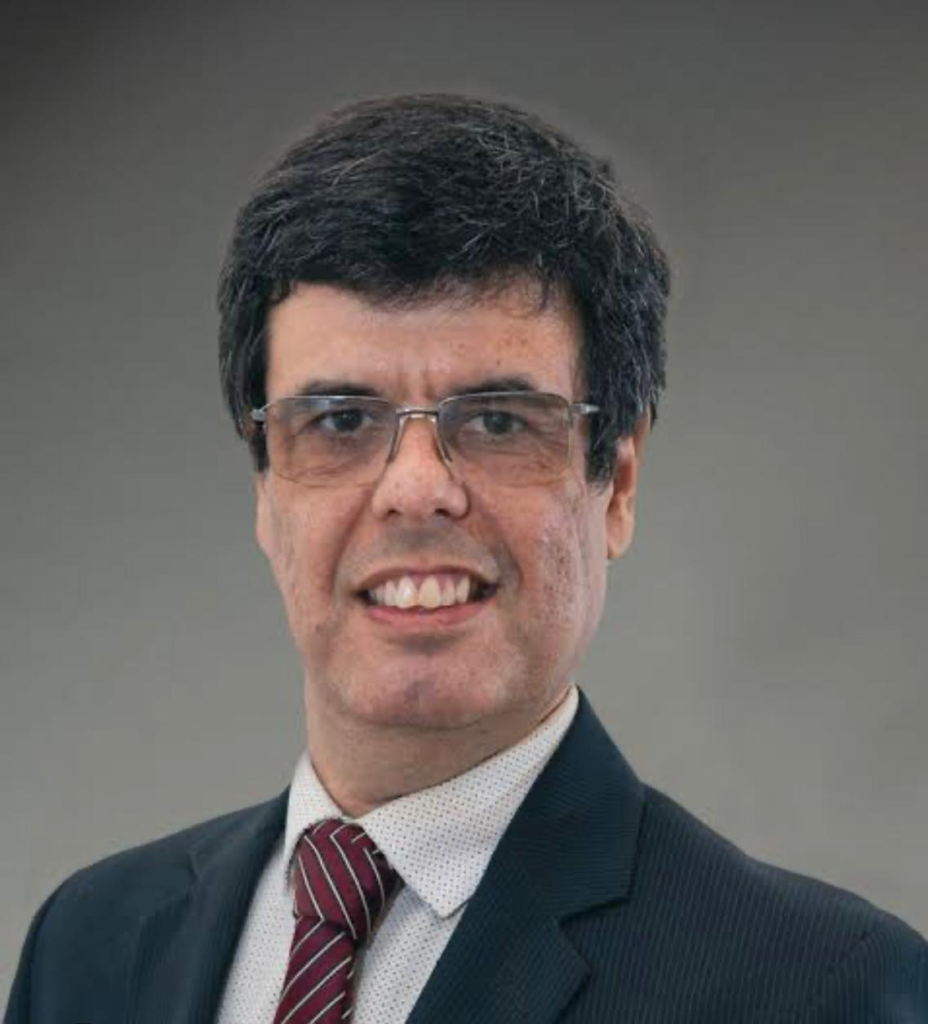
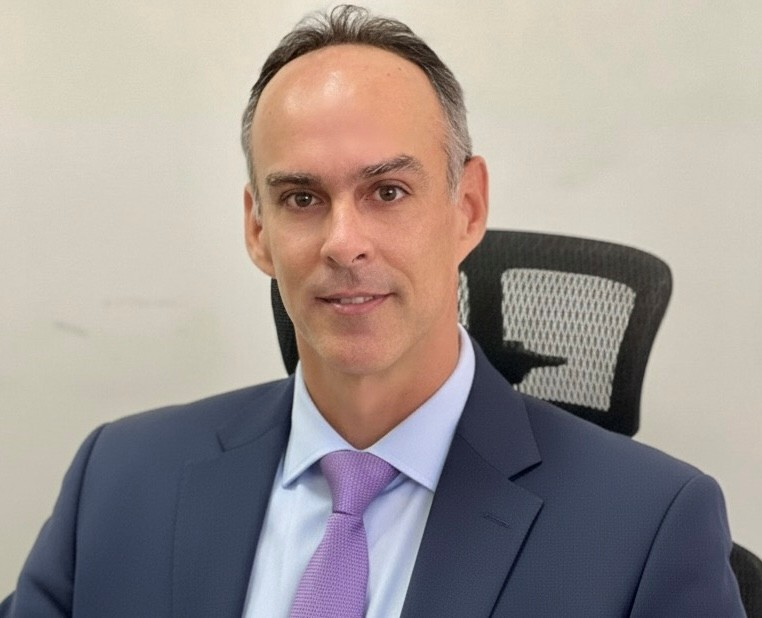
Luis Fernando Priolli (Source: Private Collection)
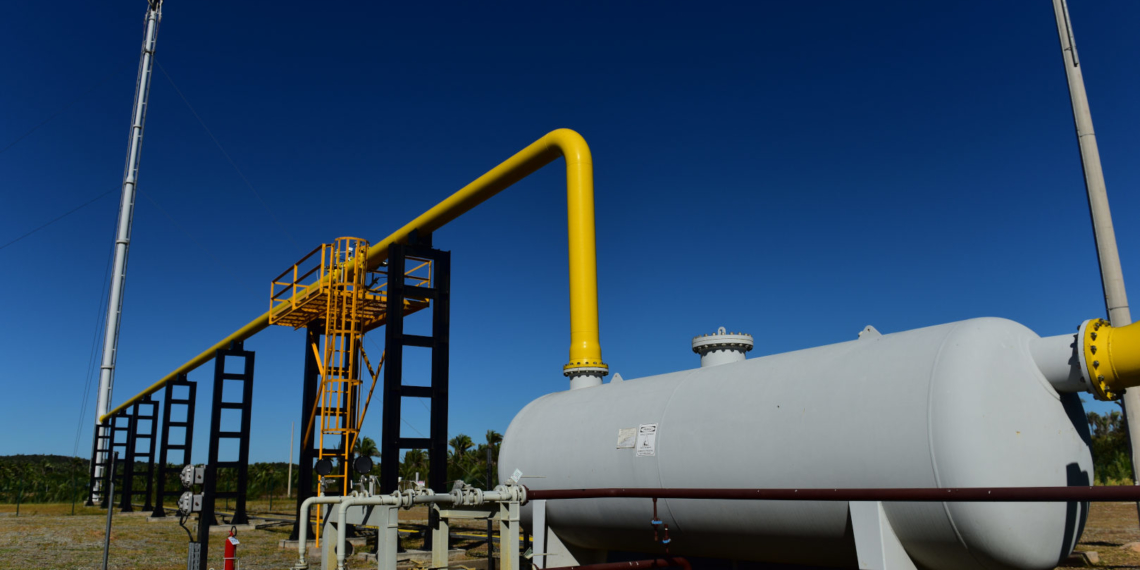
Brazil is at a crucial turning point in defining the rules for the natural gas sector. The National Agency of Petroleum, Natural Gas, and Biofuels (ANP) is currently debating a resolution to establish technical criteria differentiating transmission pipelines from distribution pipelines. While seemingly technical, this discussion directly impacts sector organization, legal certainty for investments, and the future of the national energy matrix.
Natural gas is a strategic transition fuel. It emits fewer pollutants than coal and oil derivatives and offers the flexibility to meet demand peaks and complement renewable sources like solar and wind. Its role is increasingly vital for the stability of the Brazilian electrical system, especially regarding climate change and international pressure for decarbonization.
ANP’s proposal seeks to harmonize rules and bring regulatory clarity, but it does not resolve the root problem. Although it aims to align regulation with the Gas Law (Law No. 14,134/2021), the discussion highlights a larger void: the lack of regulation for Article 25, §2º of the Federal Constitution.
This constitutional provision, amended in 1995, determines that States are responsible for exploring local piped gas services, either directly or through concessions. The amendment sought to grant States autonomy but failed to define precise competencies, creating persistent ambiguities.
The bottom line is that the 1995 constitutional amendment made the issue more confusing. By including the phrase “in accordance with the law,” the amendment delegated regulation to federal legislation that still does not exist.
For exactly three decades, Congress has failed to create this legislation. In this vacuum, state governments created their own laws and regulatory agencies established their own norms. These are merely palliative measures; without a federal law—the only definitive solution—legal insecurity persists, leading to constant judicial challenges against state laws and agency norms.
The lack of regulation generates insecurity on several fronts:
Divergent Interpretations: Some argue States have exclusive competence; others believe federal limits are necessary to avoid conflict with the Union.
Stalled Infrastructure: Multi-billion real projects are exposed to legal risks. Transporters fear investing in pipelines that might be reclassified as state distribution.
Increased Costs: Legal disputes stall contracts, make projects more expensive, and delay essential works for the expansion of the gas network.
An administrative resolution from the ANP is insufficient to pacify the sector. The true solution lies with the National Congress. Only the regulation of Article 25, §2º can unequivocally define the boundaries between Federal and State jurisdiction. This complementary law is what will provide legal certainty and align Brazil with international best practices.
This is not a merely technical debate; it involves significant economic interests for producers, transporters, distributors, and industrial consumers (steel, chemical, and fertilizer sectors). For natural gas to increase national competitiveness, the regulatory framework must be stable and predictable.
Brazil currently faces a contradiction: it recognizes the strategic importance of gas while maintaining a 30-year regulatory impasse. This gap threatens energy security and drives away investment. The time to fill this constitutional void is now. Regulating the Constitution is an indispensable condition for the sustainable expansion of the natural gas market and the future of Brazilian energy policy.
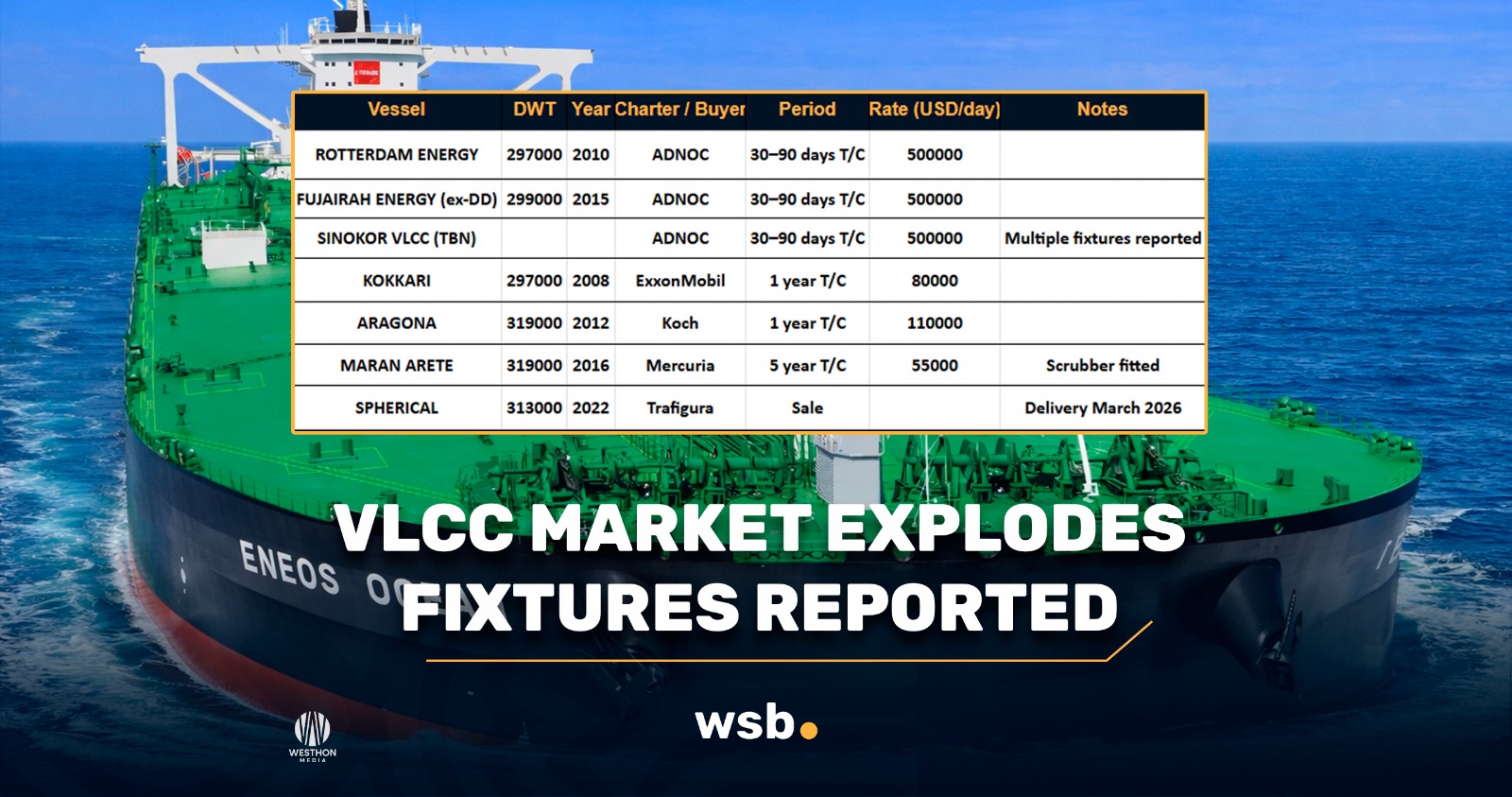
The VLCC freight market has entered extraordinary territory, with several short-term fixtures reportedly concluded at US$500,000 per day for periods of 30–90 days.
Much of the activity appears linked to ADNOC Group, suggesting a sudden tightening in available prompt tonnage.
Short-term fixtures reported
* ROTTERDAM ENERGY (297k dwt, 2010) – 30–90 days T/C to ADNOC @ US$500,000/day * FUJAIRAH ENERGY ex-DD (299k dwt, 2015) – 30–90 days T/C to ADNOC @ US$500,000/day * SINOKOR VLCC (TBN) – several fixtures reported @ US$500,000/day
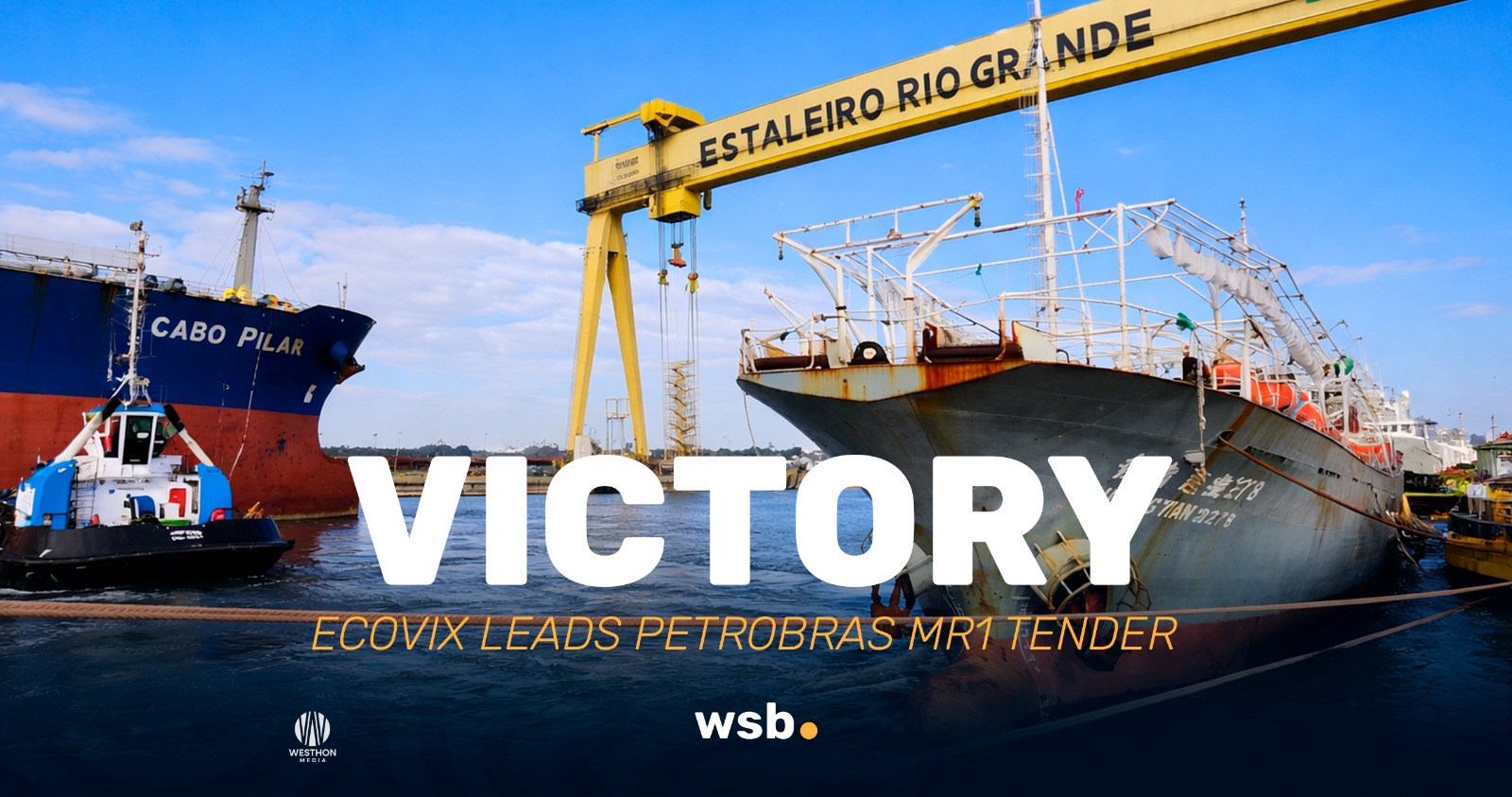
With the best equalized rate per vessel, ECOVIX leads the opening round in the dispute for the Transpetro MR1 tanker package, outbidding India’s SDHI and China’s DSOC (Dalian Shipbuilding Offshore).
Once again, the Brazilian industry demonstrates that, under clear and transparent equalization criteria, local shipbuilding can compete head-to-head with major international yards.
This marks the first stage of the tender process, where commercial proposals are opened and equalized. The qualification phase now follows.
Scale matters. With nine large vessels already underway for Transpetro, ECOVIX continues to build momentum and reinforce Brazil’s shipbuilding capability — with solid market alignment behind the project.
An encouraging signal for the Brazilian shipbuilding industry.
On March 8th, we celebrate International Women’s Day, a date that goes far beyond tribute and invites us to recognize and appreciate the contribution of women across all sectors of society. In the energy and offshore industry, historically dominated by men, female participation has been steadily growing, driven by talent, expertise, and leadership.
Over the past few years, WSB Advisors has had the privilege of giving voice to several professionals who are helping transform this industry through our publications.
Among them is Vanessa Costa, a chemical engineer with an international career in the offshore sector and currently working in business development at Marinsa. In her interview, she highlighted the importance of psychological safety in the workplace and the need to build environments that are fairer and more respectful for all professionals.
Vanessa Costa (Source: Private Collection)
We also spoke with Fernanda Hille, a naval engineer at Navship, responsible for hydrodynamic optimization projects that have already resulted in tangible reductions in fuel consumption for offshore vessels, contributing to a more efficient and sustainable fleet.
Another inspiring journey is that of Caroline Dias, Commercial Director of Solstad Offshore Brazil. In her interview with One.Energy Magazine, Carol recalled her education at the Merchant Marine Officers School, her time at sea, and the importance of family support and diversity in the corporate environment. She also emphasized the strong growth potential of the offshore sector in the coming years.
Female strength is also present in the stories that inspire the industry itself. Recently, Petrobras platforms were named after remarkable Brazilian women: Maria Quitéria, Anna Nery, and Anita Garibaldi, figures who symbolize courage, pioneering spirit, and leadership.
Women at WSB
Within WSB Advisors itself, the contribution of women is equally essential. Joana Rodrigues, Head of Market Intelligence, created WSB-one which has become the most respected database covering the Brazilian offshore market.
This database also benefits from the dedication of Maria Eduarda Camba, an Intern Shipbroker and International Relations student at UFRJ, who currently manages the platform’s daily updates. Through her careful and consistent work, she ensures that the information remains accurate and up to date, while also being responsible for the weekly monitoring and reporting of vessel tender processes across the market.
Maria Eduarda Camba, Camila Lopes, Vilma Fernandes and Maria Ciriaco
Behind the scenes, other professionals also play a fundamental role in keeping the company running smoothly. Camila Lopes, in finance, contributes with precision and organization that support the company’s operational stability and planning. Alongside her, Vilma Fernandes plays an important role in the financial routines that sustain the firm’s daily activities. In administrative support, Maria Ciriaco provides essential coordination and assistance, helping ensure that the internal structure that supports WSB’s operations functions efficiently.
On this International Women’s Day, WSB Advisors celebrates all the women who help move the energy industry forward — in offices, shipyards, ports, and at sea.
Belov Engenharia began, in February 2026, the construction of Belov Arembepe, its newest SDSV (Shallow Diving Support Vessel). The vessel already enters service with a four-year charter contract signed with Petrobras and is scheduled for delivery in 2027, within a maximum timeframe of 18 months.
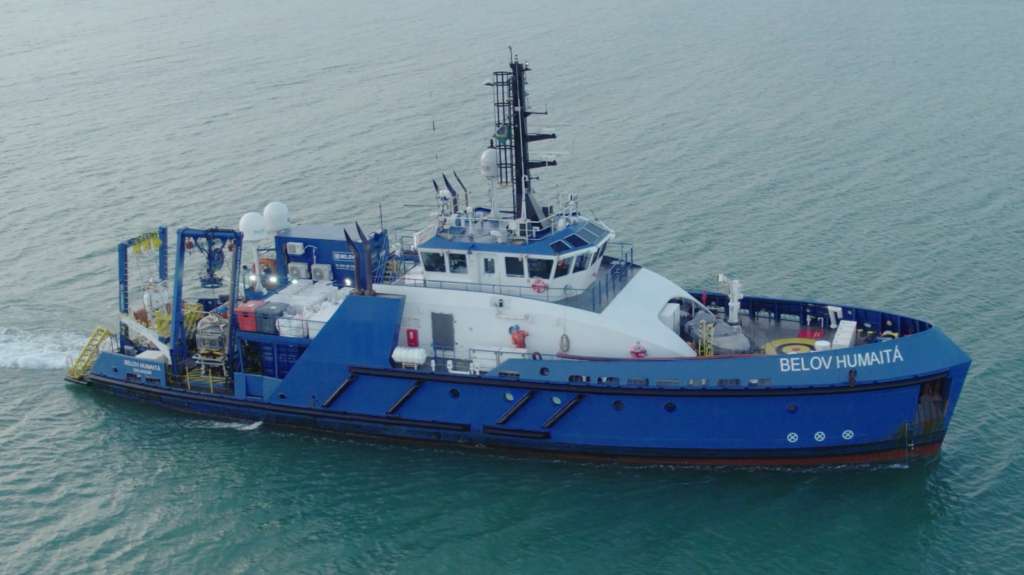
Belov Arembepe is the fourth SDSV in the company’s fleet, being the third built at the Group’s Shipyard and carries the legacy of two well-established projects: Belov Amaralina and Belov Humaitá, delivered in 2020. While it shares the same basic design as these vessels, Belov Arembepe incorporates significant upgrades, resulting directly from lessons learned over years of operating the previous units.
Designed for shallow diving operations and intensive use of ROVs, Belov Arembepe will feature the most advanced onboard technology available on the global market. The vessel adopts power generation and automation architectures focused on energy efficiency, operational redundancy, and high-precision DP2-class dynamic positioning, expanding the range of offshore missions with high safety standards and operational availability.
With an overall length of 40.50 meters, beam of 10.98 meters, gross tonnage of 499 tons, and installed power of 3,200 BHP, Arembepe uses diesel-electric propulsion with waterjets—a combination that has already proven pioneering and highly efficient in Belov’s previous projects.
BELOV: A strong commitment to Bahia
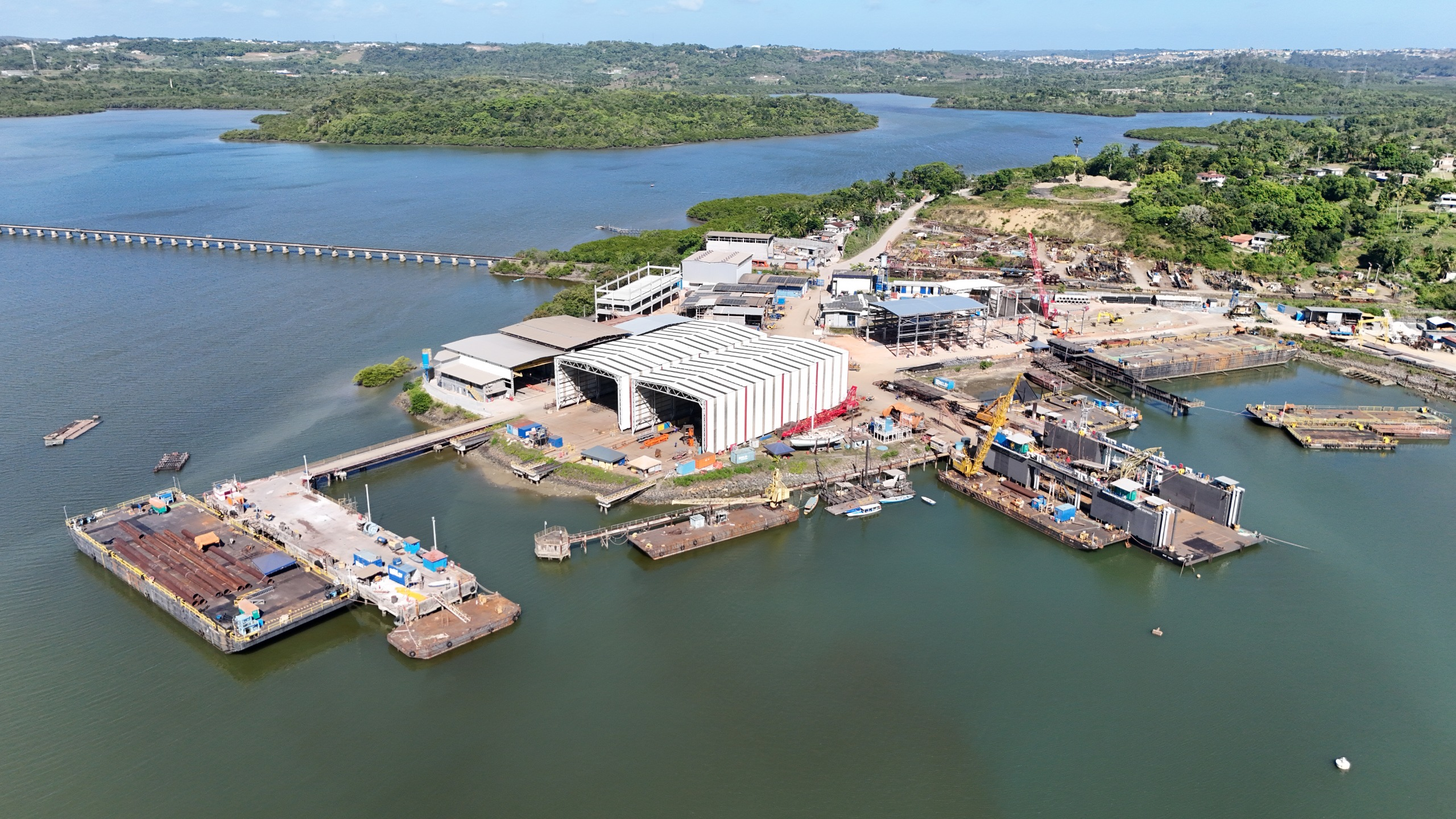
Like Belov Amaralina and Belov Humaitá, Belov Arembepe is being entirely built at Belov Shipyard, located in the sheltered waters of Aratu Bay, within Todos os Santos Bay, Bahia. The shipyard’s strategic location—just 27 km from Salvador International Airport, 31 km from the Port of Aratu, and 9.5 km from highway BR-324—combined with its current production capacity of 5,000 tons per year, allows the company to execute highly complex projects in carbon steel and aluminum, for both newbuildings and ship repairs.
Belov Humaitá (Source: Belov)
The project has recently secured financing approved by the Merchant Marine Fund (FMM) in the amount of R$ 115 million, reinforcing the role of the Brazilian government in strengthening the national shipbuilding industry. For Guilherme Falcão, Project Manager at Belov Shipyard, the impact goes beyond technology.
“Belov Shipyard reflects the company’s commitment not only to technical excellence, but also to regional development, by fostering jobs and innovation in the sector. Executing a disruptive, highly complex project with strong local content and a high level of technological integration has placed Belov and Bahia at the forefront of naval technology,” the executive comments.
This commitment is already reflected in factual numbers. Since the start of the SDSV projects, approximately 600 direct jobs and more than 3,000 indirect jobs have been generated, during a period when Bahia’s shipbuilding industry was facing a severe downturn. In addition, around 230 direct jobs were created for vessel operations, boosting supplier development and workforce qualification.
Belov’s tradition of naming its vessels after beaches in Bahia reinforces the company’s connection to the state where Aleixo Belov, founder of the company, established himself and concentrated his main assets. This relationship becomes even more relevant given Bahia’s strategic positioning on the Brazilian offshore map, between the Campos and Santos Basins to the south and the Equatorial Margin to the north.
In a scenario where few companies in Brazil build vessels for their own fleets, Belov stands out alongside industry giants. On the eve of completing 45 years, in November 2026, the company reaffirms—through Belov Arembepe—its pioneering vocation and its confidence in the future of the Brazilian shipbuilding industry.
“We are undergoing a phase of expansion and modernization at Belov Shipyard, which will increase our capacity to more than 11,000 tons per year. State-of-the-art infrastructure, combined with robust industrial processes and a highly qualified technical team, will allow us in the coming months to:
Execute multiple projects simultaneously with a high degree of electro-electronic integration and automation;
Position ourselves as one of the leading shipyards in electric and hybrid vessels, as well as complex conversions;
Achieve efficiency gains in cutting, assembly, welding, system integration, and commissioning, with strict compliance to schedules, costs, and class requirements;
Continuously advance in QSMS, productivity, and delivery timelines.
This level of capability consolidates Belov Shipyard’s position as a reference in technologically complex vessels, reinforcing its vocation for delivering highly reliable specialized vessels to the Brazilian offshore, port, and inland waterways markets.”
What was the average construction time for each SDSV?
Guilherme Falcão:
“Each project was executed within the contractual schedule, with the main milestones being contract signing and delivery to the end client: Petrobras. Belov Amaralina and Belov Humaitá were completed in parallel in just 16 months and delivered in the first quarter of 2020, at the peak of the pandemic—representing a milestone in the history of both the shipyard and the national shipbuilding industry.
Belov Arembepe began construction in February 2026 and has a contractual timeframe of 18 months, consolidating Belov’s commitment to strict deadlines and technical requirements, with no cost changes throughout construction.”
How was the financing through the FMM? What were the amounts?
Juracy Vilas-Bôas, Director
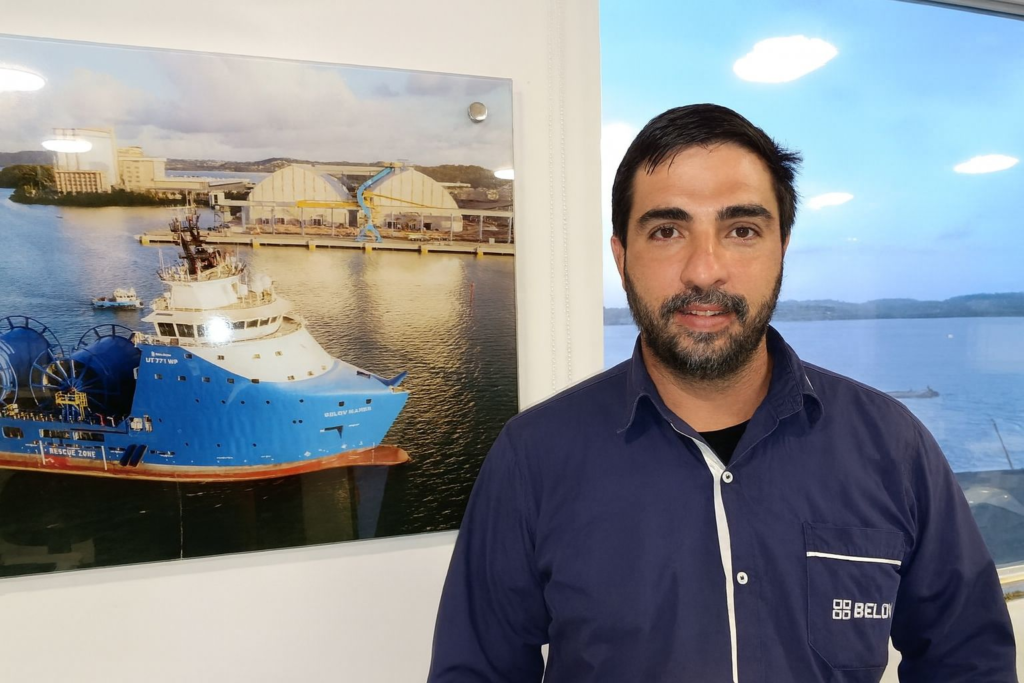
Juracy Vilas-Bôas (Source: Belov)
“The projects relied on the essential support of the Merchant Marine Fund (FMM), reaffirming the Brazilian government’s commitment to strengthening the shipbuilding industry. As a reference for the investment value of each DSV (Diving Support Vessel), Belov Arembepe recently had its financing approved by the Fund in the amount of R$ 115 million. This financial support demonstrates institutional confidence in Belov’s governance and management, as well as in the technical capacity and delivery track record of the Shipyard, which have characterized the Group’s performance in the Brazilian naval market.”
Were there any curiosities, challenges, or notable events during construction?
Juracy Vilas-Bôas
“Belov Amaralina and Belov Humaitá represented significant technological milestones on the global naval scene. To build the world’s first diesel-electric vessels equipped with waterjet propulsion and DP2 dynamic positioning, several established suppliers had to modify their products. Basic design companies, propulsion suppliers, engine manufacturers, DP system providers, and others did not have off-the-shelf solutions that fully met our requirements.
Furthermore, integrating national and imported systems from multiple continents—along with all the challenges inherent to pioneering projects—highlighted the high level of engineering involved and Belov’s ability to lead technically demanding projects. This innovation was recognized by The Royal Institution of Naval Architects as the most significant small vessel of 2020, as well as by Work Boat World as the best vessel among all OSVs and DSVs of 2020. Another interesting fact: to launch Belov Amaralina and Belov Humaitá, the shipyard had to build a floating dock in tandem with the vessel construction. Today, this dock is responsible for dry-docking virtually all service vessels operating in Salvador and is essential for launching other shipyard projects.”
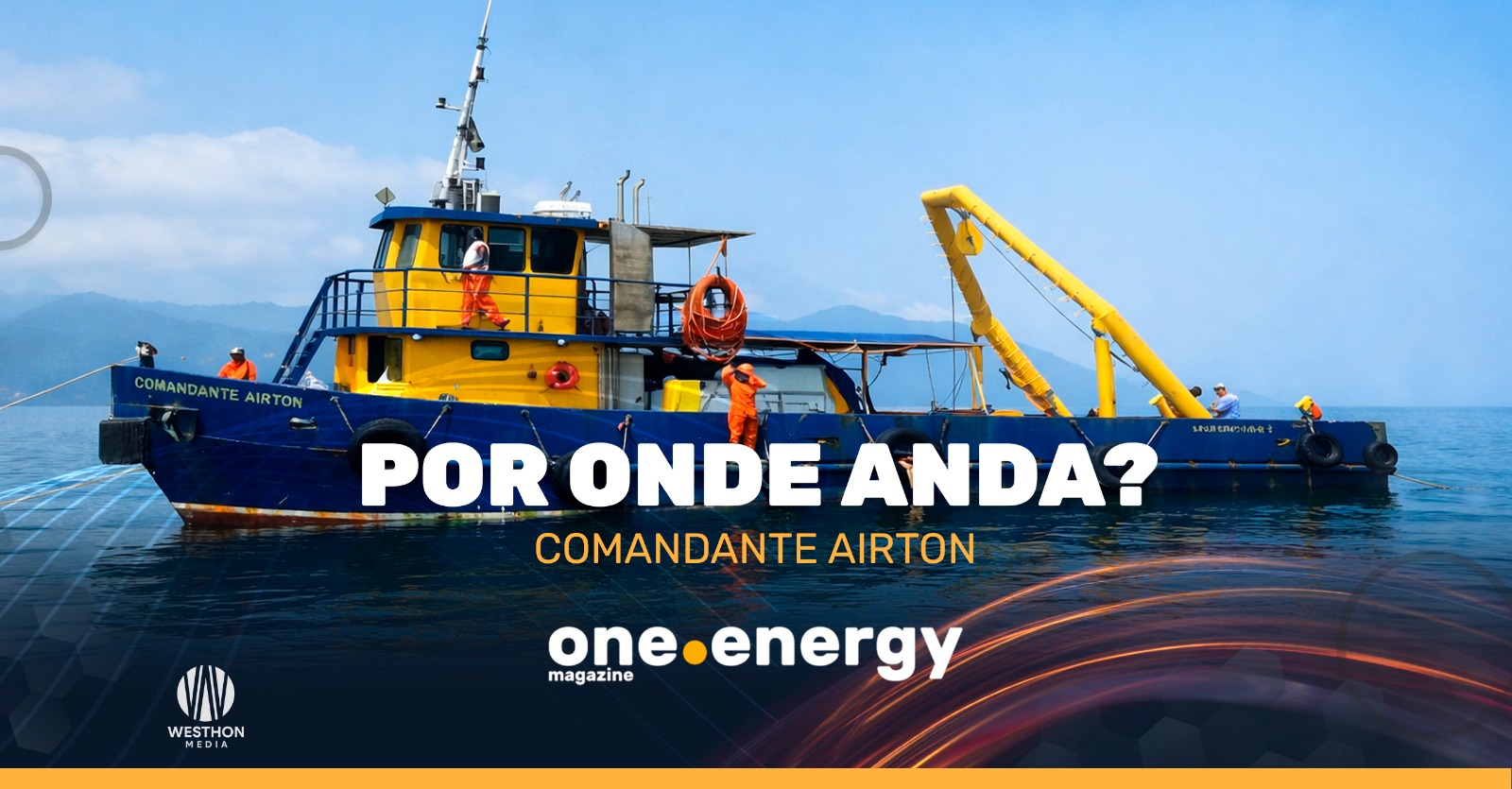
Comandante Airton was built in 2014. Steel hull. Twin Scania DSI 12 engines. 18.75 metres in overall length (LOA). Designed from the outset for one purpose: heavy-duty work. Not to impress. Not to be the largest in the fleet. To work.
“This vessel is a phenomenon. It never breaks down. Perhaps the secret lies in the fact that it is always moving, always working. Just as the human body seizes up when sedentary, so does she. It is a source of pride for all of us,” says Diego Venturini, Commercial Director and partner at Umi San.
Classified as a tugboat, she operates offshore with a 15-day endurance, a cruising speed of 10 knots, and a 15-tonne lifting capacity through a stern A-frame that makes her surprisingly versatile for an asset of her size. The vessel is one of UMI SAN’s flagships — a company specialising in coastal navigation.
Registered under the Brazilian flag, MMSI 710005126, Comandante Airton currently operates within UMI SAN’s fleet, supporting maritime operations that include buoy installation and maintenance, diving activities, hydrographic surveys, and the towage of barges and submerged structures.
Certified by the DPC for diving operations under NORMAM 222. Equipped with a hyperbaric chamber and an onboard real-time data processing workstation.
A small vessel. A complete operational package.
But the story of Comandante Airton does not begin with the vessel. It begins with the man.
Who was Comandante Airton?
In 1999, Comandante Airton A. Rodrigues — freshly retired from the Brazilian Navy — decided not simply to leave the sea behind. He founded UMI SAN, a company whose name carries both a language and a purpose: umi, meaning “sea,” and san, meaning “master” in Japanese, combined with the acronym SAN — Serviços de Apoio à Navegação (Navigation Support Services).
In 2019, Comandante Airton Rodrigues passed away. In 2021, the vessel was incorporated into the fleet. The company he built kept sailing. The projects continue.
“This was the first vessel in Brazil to carry out a rock-breaking operation using diamond wire cutting, without the use of explosives,” says Venturini. The operation took place in Itaguaí, where legislation prohibited the removal of underwater rock formations through blasting.
And the fleet gained a name that was no longer merely operational.
Some vessels are given a simple name. Others are given one with weight, with history, with the quiet responsibility of representing something greater than steel and engines.
Comandante Airton is the second kind.
Every Thursday, a new Where Are They Now? — stay tuned.
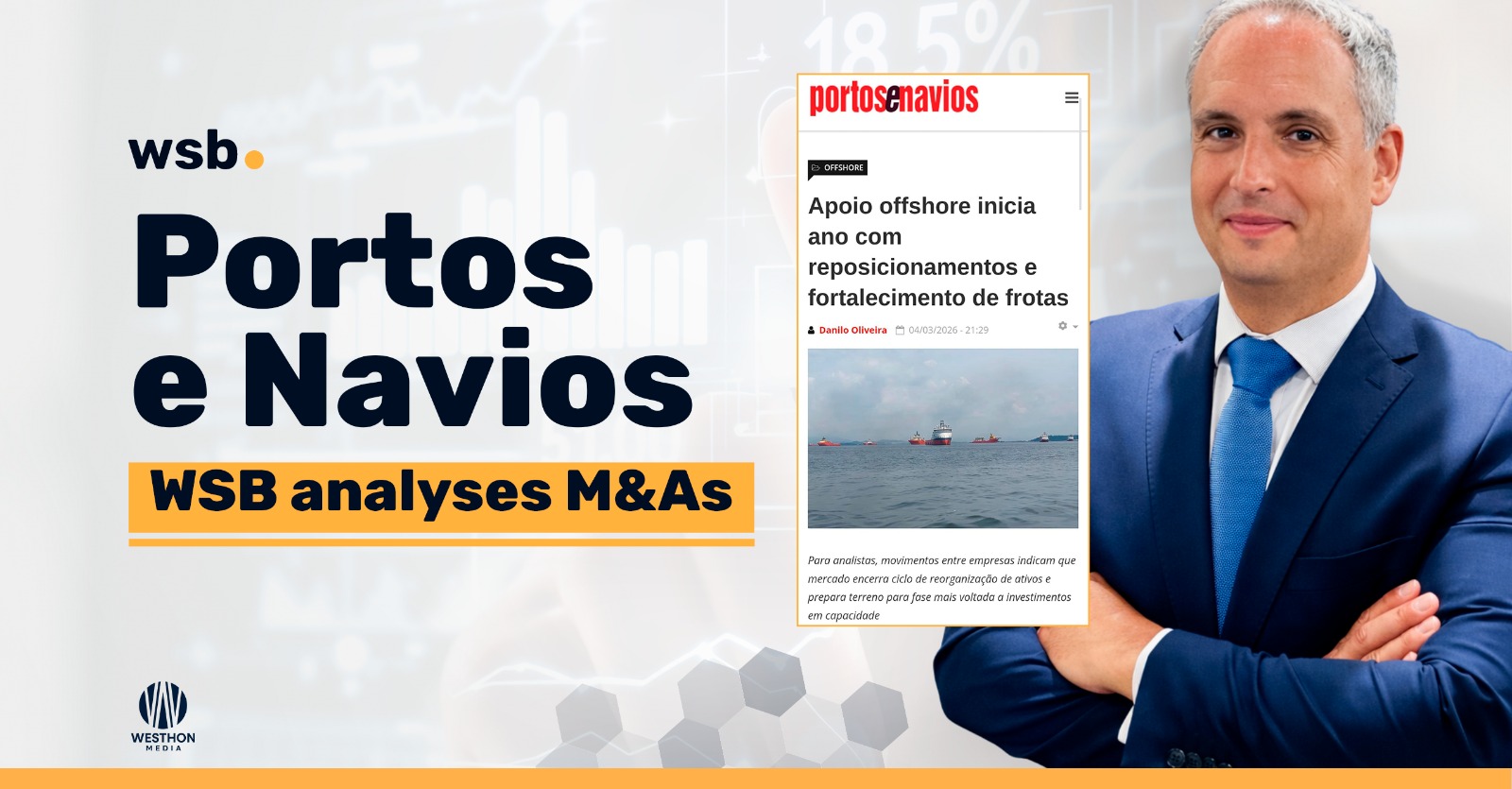
Alexandre Vilela, CEO of WSB Advisors, was interviewed this week by Portos e Navios, analyzing the three transactions that impacted most the offshore market in 2026: Tidewater / WS Ultratug Offshore, OceanPact Serviços Marítimos / Companhia Brasileira de Offshore (CBO), and ASM Maritime / Maersk Supply Service Brasil. In the conversation, he detailed the strategic factors behind these moves and what they indicate for the future of the offshore support vessel market in Brazil.
According to Vilela, the merger between OceanPact and CBO had long been anticipated by the market and is part of a global consolidation cycle that began after the 2014–2016 oil crisis. Major international groups such as DOF Group and Solstad Offshore have also undergone significant fleet and corporate restructuring processes in recent years. In Brazil, however, such movements tend to occur with some delay, due to regulatory characteristics and the prevalence of long-term contracts.
For the executive, current signals suggest the sector is now moving into a new phase. More than mergers, the next cycle is expected to be marked by fleet renewal and expansion, driven by the ageing of offshore vessels. With a global average fleet age between 15 and 17 years — and even higher in some Brazilian segments — the stage appears set for new investments, including the possible entry of new players into the national market.
“The offshore sector has undergone more than forty consolidation transactions in recent years, something unprecedented since the 2014 crisis,” Vilela says.
Throughout 2025, we shared — here and across our social media channels — the inauguration of transfer of Westhon Headquarters to Teresópolis, a mountain city located approximately 100 km from our WSB office in Rio de Janeiro. Now, it is time to officially introduce WSB Norway, also launched last year in Kristiansand, a strategic city in Southern Norway.
Situated in one of the most iconic hubs of the global offshore industry, the new unit strengthens WSB’s presence in the North Sea and enhances its ability to connect European and Asian shipowners with operational demands originating from Brazil. This move positions WSB as the first genuinely Brazilian offshore shipbroking firm to establish its own structure in Norway, reinforcing its role as a bridge between complementary markets.
Sølve Høyrem, the Leader behind WSB Norway
At the helm of WSB Norway is the experienced and multifaceted broker Sølve Høyrem. With more than 25 years of dedicated shipbroking experience in the Norwegian market, he has built a distinctive and resilient career path. Over the years, he played a central role in the continuity and development of Westshore following the passing of Erik Stalemo, further strengthening his standing within the offshore brokerage community.
“I have always focused on building long-term relationships based on trust and performance. In shipping, consistency and credibility are everything,” Høyrem says.
One of the most significant milestones in his career was the financial turnaround and growth of Westshore, a shipbroking company he joined in 2002, when its annual revenue was approximately USD 400,000. After taking on the role of Managing Director in 2007, he led a growth cycle that increased revenue to USD 9 million the following year — a leap that cemented Westshore’s position in the market and reinforced his reputation within the industry.
The invitation to lead WSB Norway came from Alexandre Vilela, CEO of WSB Advisors. Their professional paths first crossed at Westshore, when Høyrem invited Vilela in 2010 to open the local Westshore office. That early gesture of trust marked the beginning of a long-standing professional relationship. Years later, the collaboration evolved and ultimately culminated in the consolidation of WSB Advisors in 2016 — a dynamic that reflects a simple principle: trust once given returns in kind.
Alexandre Vilela (Source: WSB Team)
“From the very beginning, our cooperation was both enjoyable and highly successful. We built a strong professional relationship based on trust, market insight, and a shared commitment to delivering value to our clients. As part of this new chapter, I am establishing WSB Norway,” he adds.
Among Sølve’s key challenges is expanding the international client portfolio, bringing new partners closer to the Brazilian operation — with several offers already presented and certain business secured. Another strategic objective is to establish a healthy and recurring revenue stream in Norway, laying solid foundations for future expansion.
“I look forward to strengthening these international connections and creating new opportunities across these key markets,” he states.
WSB Advisors and Norway: a consolidated relationship
Kristiansand is a city that breathes offshore — a characteristic shared by Norway as a whole. The country is home to some of the leading companies in the maritime and energy industries, including Equinor, DOF, BW Offshore, NOV, and Solstad.
WSB Advisors’ connection with the Norwegian market, however, goes far beyond the opening of the new office. One.Energy magazine has a broad reach in the country and has established itself as one of the leading international offshore publications among Norwegian readers.
In 2025, members of the WSB Brazil team attended Nor-Shipping, held in Lillestrøm, near Oslo, alongside Sølve Høyrem. Regarded as one of the most prestigious events in the global maritime industry, the latest edition marked its 60th anniversary, attracting more than 60,000 visitors from 104 countries.
WSB team at Nor-Shipping (Source: WSB Team)
Sølve highlights an important distinction in market dynamics:
“In Norway, the spot market is highly developed and very active, with strong broker involvement. This is a characteristic of a mature offshore market, where brokers play an integrated role between owners and charterers. Brazil, even after a challenging decade for the industry, has seen increasing broker activity — a sign that the market is evolving and becoming more structured,” Høyrem explains.
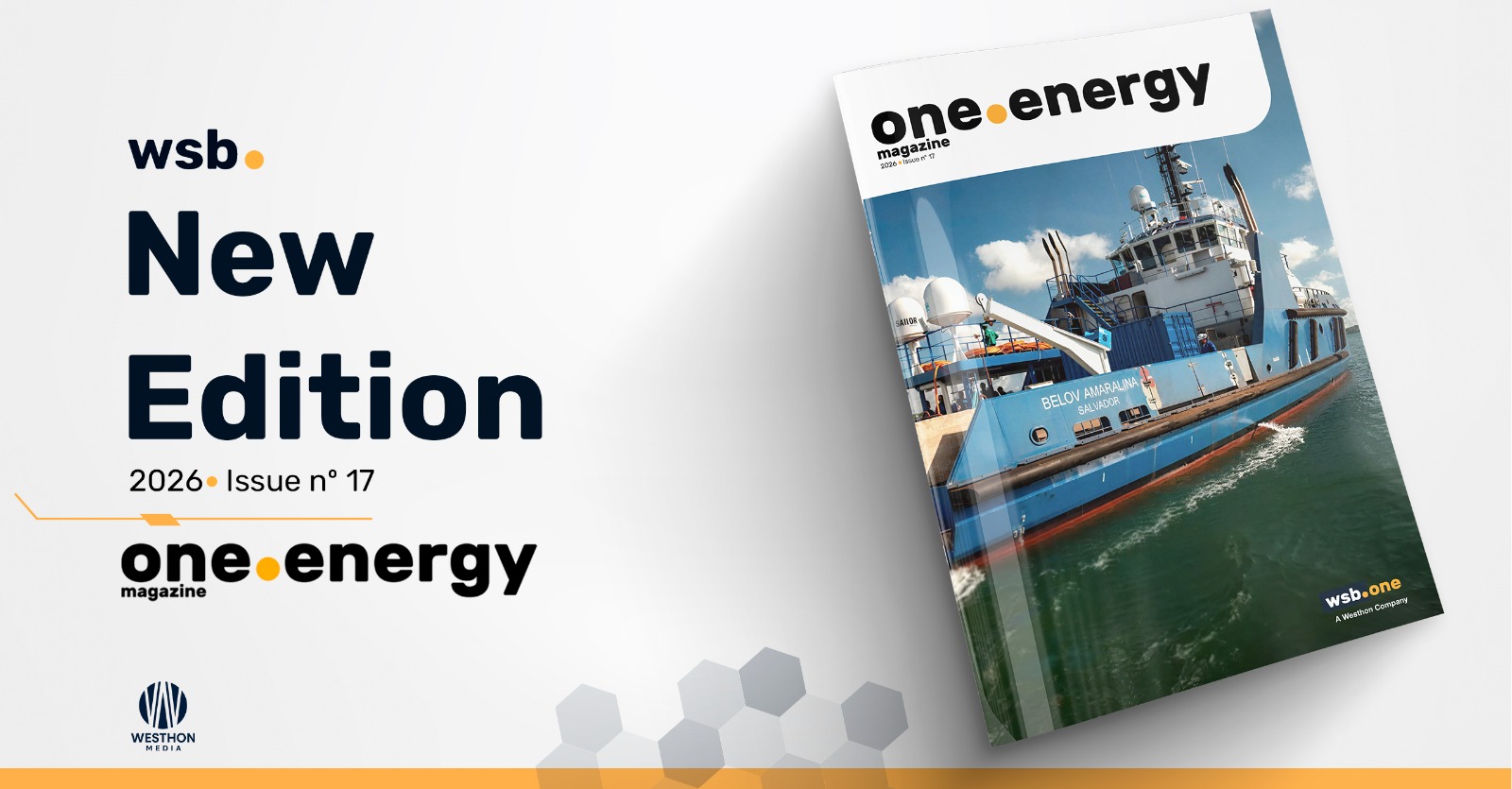
In this edition of One Energy Magazine, you’ll find an exclusive interview with José Eduardo Leal Senior Sales Manager at Kongsberg Maritime, focused on technology and artificial intelligence in the maritime sector.
This issue also features:
An in-depth look at Belov Arembepe
WSB Advisors Norway
Staff announcement
Por onde anda?
Camorim behind the largest light and fireworks show on Earth
Tidewater acquires Wilson Sons, plus more market updates
Perspectives from Fernando Vilela, Alexandre Vilela, Luiz Fernando Priolli and Romulo Bacchiega
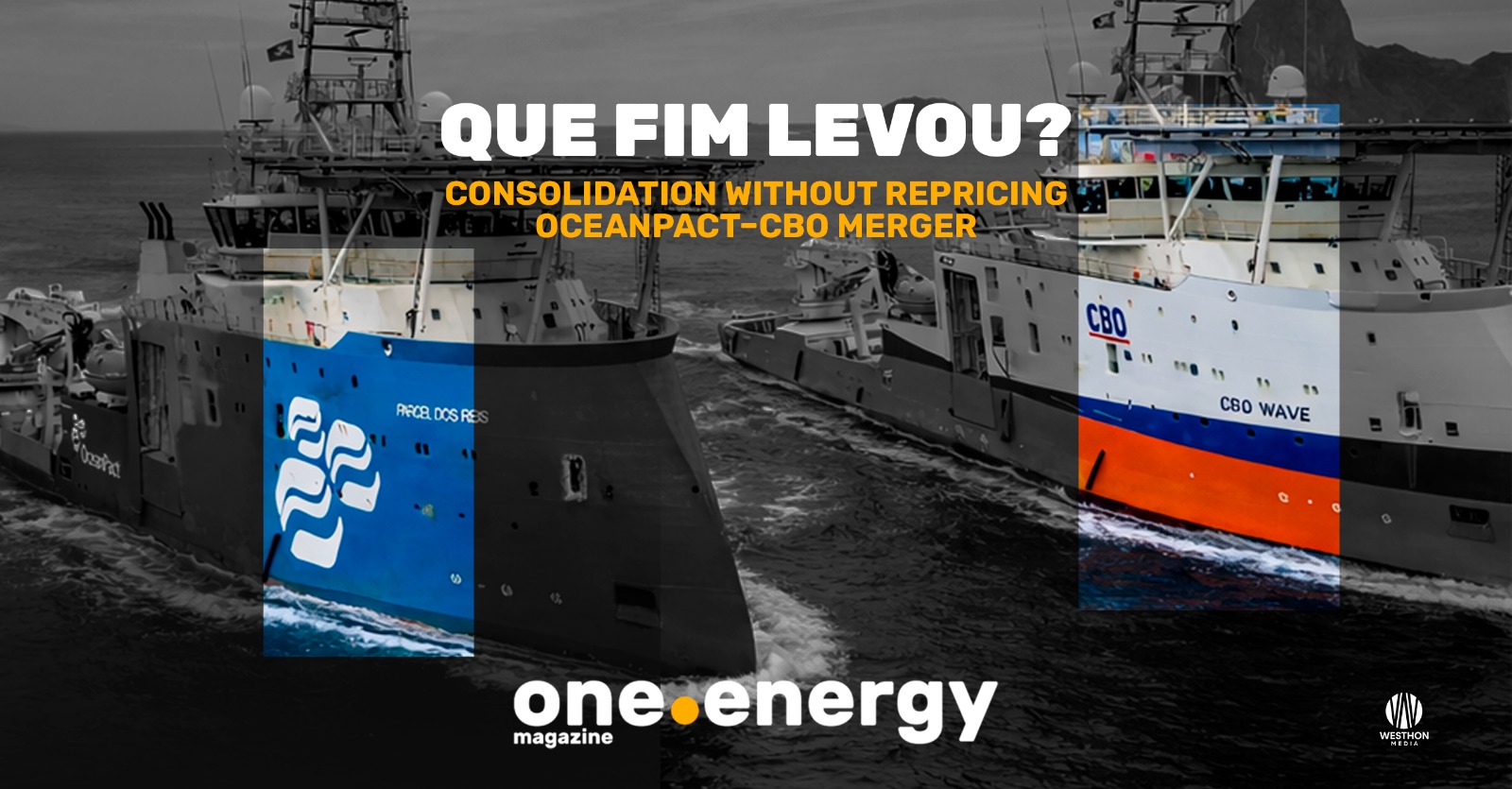
Consolidation Without Repricing OceanPact–CBO merger
Bigger, But Not Yet Richer The OceanPact–CBO merger and the economics behind the market’s restraint
Brazil’s offshore sector has produced a bigger company. What it has not yet produced is a richer one.
The merger between OceanPact and CBO represents one of the most consequential consolidation moves in the Brazilian offshore services industry in recent years. The combined company will operate a fleet of 73 vessels, generate revenues exceeding R$4 billion annually, and carry a backlog estimated at roughly R$14 billion. By operational standards, the platform that emerges from this combination is substantial, placing the group firmly among the most significant offshore service providers in the Brazilian market.
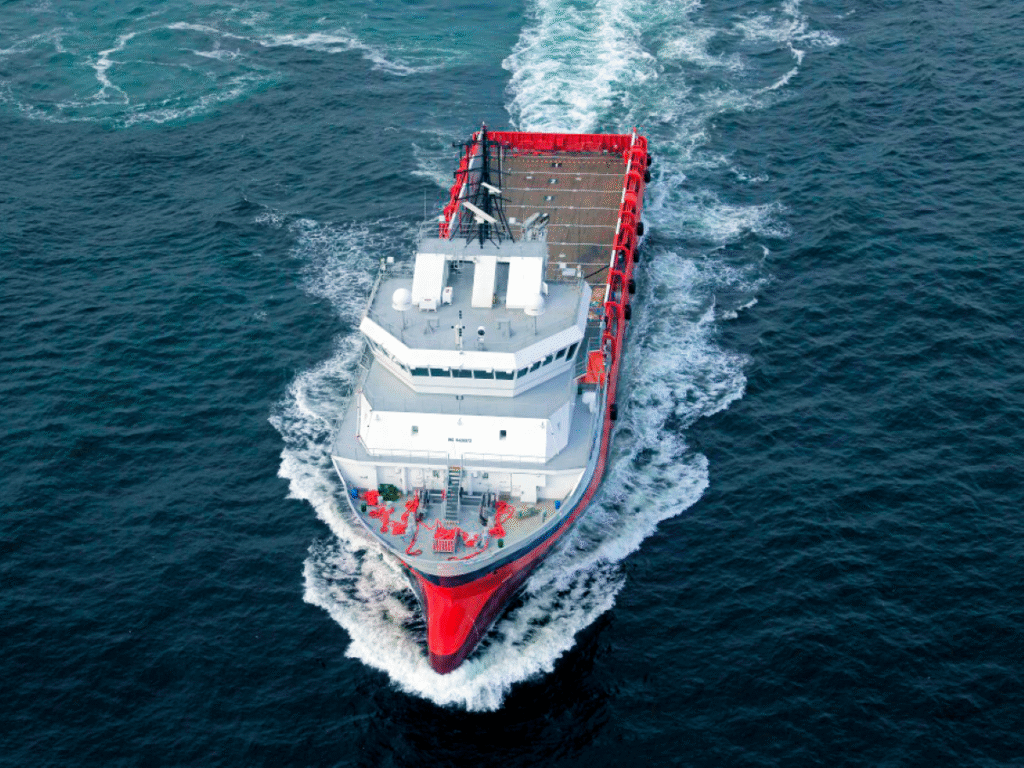
CBO Bianca (Source: CBO)
Yet the reaction of the equity market has been notably restrained. OceanPact’s share price, which had already appreciated in anticipation of consolidation in the sector, has not experienced the type of re-rating that often accompanies transactions of this magnitude. The explanation appears to lie not in the strategic logic of the merger — which is widely understood — but in the underlying economics of the two companies and in the structural realities of the offshore services business.
The valuation multiples that framed the transaction initially appear balanced. Market commentary surrounding the deal points to an implied valuation of roughly 5.3x EV/EBITDA for CBO compared with approximately 4.9x for OceanPact, figures that fall broadly within the range typically observed for offshore support vessel operators. Yet multiples alone rarely capture the deeper dynamics of capital intensity and cash generation that ultimately shape investor perception. Globally, offshore vessel operators seldom sustain valuations far above 6x to 7x EBITDA, even in favorable cycles, precisely because a meaningful portion of operating cash flow must continually be reinvested into fleet maintenance, regulatory upgrades and eventual replacement.
OceanPact’s financial profile prior to the merger already reflected the challenges of operating a diversified offshore services platform. The company’s integrated model — combining environmental response, subsea support and offshore logistics services — requires continuous reinvestment in specialized equipment and operational capabilities. Financial statements for recent periods revealed instances in which capital expenditures exceeded operating cash generation, resulting in negative free cash flow before financing. In a capital-intensive industry, that dynamic inevitably raises questions about long-term cash conversion.
CBO, by contrast, historically demonstrated stronger financial discipline. Its operations remained anchored in the traditional offshore vessel market, where fleet management and contract stability tend to produce more predictable financial outcomes. EBITDA margins near 50%, compared with approximately 30% for OceanPact, reflected both operational efficiency and the relative simplicity of a vessel-centric business model.
The merger therefore combines two companies with distinct financial characteristics. While CBO contributes stronger cash generation from its fleet operations, that discipline alone may not fully offset the capital demands embedded in OceanPact’s integrated services platform. The combined entity inherits broader operational capabilities, but it does not fundamentally alter the capital dynamics that investors have been scrutinizing.
Fleet structure adds another dimension to the equation. Although the merged company commands a larger number of vessels, the transaction does little to change the average age profile of the fleet, which remains in the mid-teen range. Offshore support vessels typically approach the limits of their economic life near thirty years, after which maintenance, propulsion upgrades and regulatory compliance requirements become prohibitive. With an estimated fleet age around 16 to 17 years, roughly half of the combined fleet may approach that threshold within the next decade. Even conservative replacement economics illustrate the scale of the issue. Replacing twenty vessels over time at prices between $30 million and $50 million per unit, typical for modern offshore tonnage, implies a long-term capital requirement approaching $600 million to $1 billion. And building takes time.
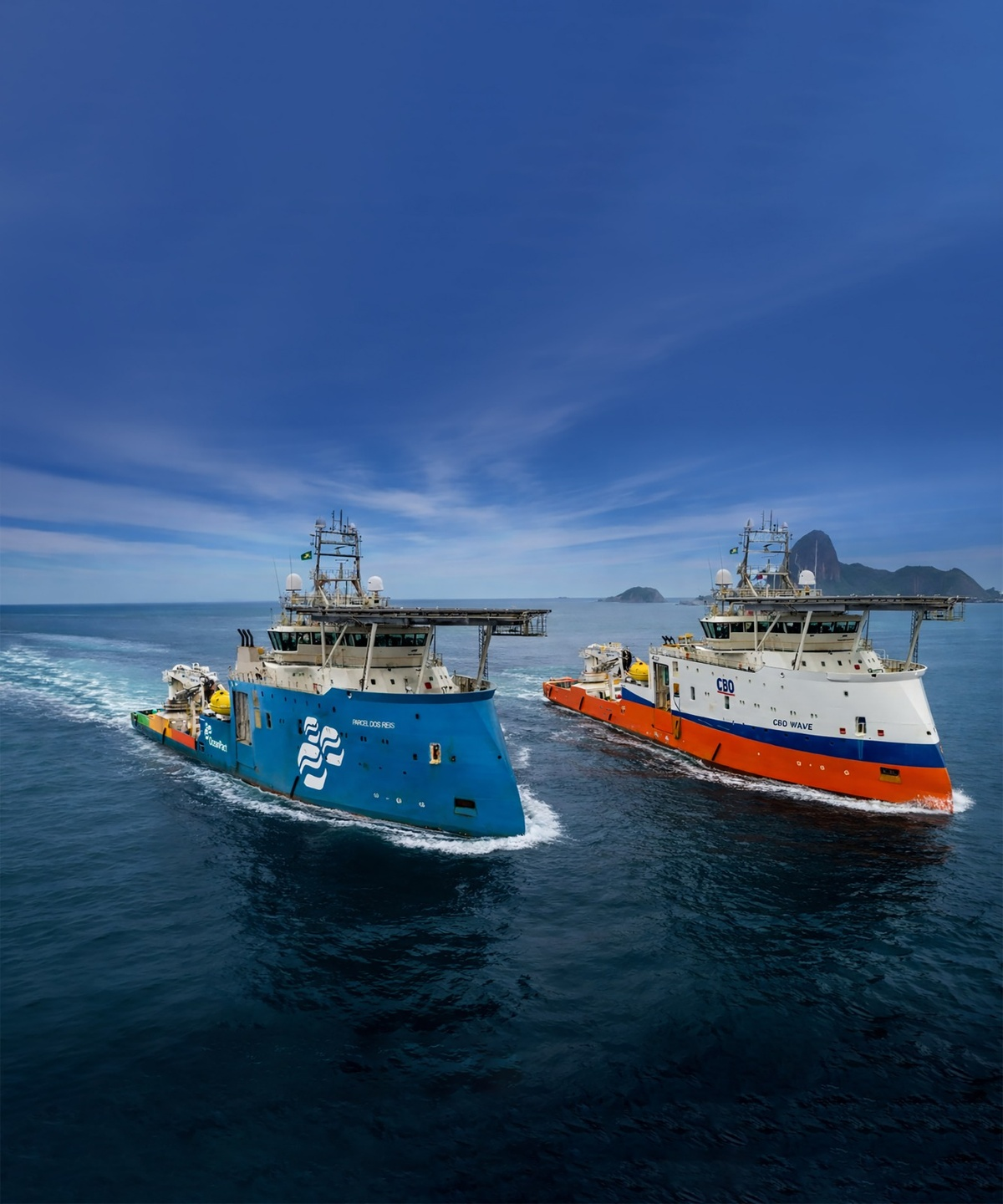
Source: Courtesy/CBO + Oceanpact
Neither OceanPact nor CBO has recently pursued a major program of new vessel construction. Fleet expansion in recent years has instead relied primarily on acquisitions of existing tonnage in the secondary market. While this strategy preserves capital in the short term, it also compresses the timeline for fleet renewal and increases dependence on maintenance investment to extend vessel life.
At the same time, the offshore market itself may be evolving in ways that complicate the strategic narrative surrounding integrated service platforms. For much of the past decade, the industry assumed that oil companies would increasingly favor bundled service solutions combining vessels, engineering and subsea operations. Yet the Brazilian market appears to be moving along a somewhat different trajectory. Petrobras has recently taken a more cautious stance toward certain integrated contracting structures. Activities such as pre-laid mooring systems for FPSO installations have increasingly returned to the domain of EPCI contractors or Petrobras’ own engineering resources, while the backbone of offshore logistics continues to rely on the familiar categories of offshore tonnage: PSVs, AHTS vessels, OSRVs, RSVs and PLSVs.
In this sense, the offshore market continues to function largely as a fleet-driven commodity business, where vessel availability, reliability and pricing remain the central competitive variables. That environment tends to reward the financial discipline associated with operators such as Tidewater, whose strategy emphasizes fleet efficiency, controlled capital expenditure and consistent free cash flow generation.
Integrated offshore platforms can certainly succeed, but historically they have done so when accompanied by substantial technological investment, as illustrated by companies such as DOF, which built their position through specialized subsea vessels and significant capital programs. The OceanPact–CBO combination appears to pursue a somewhat different path, expanding operational scope while relying primarily on existing fleet assets rather than embarking on a new generation of specialized vessels.
For investors, the central question therefore becomes less about the logic of consolidation and more about its financial implications. A larger fleet and broader service offering may strengthen commercial positioning, but scale alone does not automatically translate into improved economics. The market is ultimately asking whether the combined company will be able to convert its expanded operational footprint into consistent free cash flow after fleet investment and operational reinvestment.
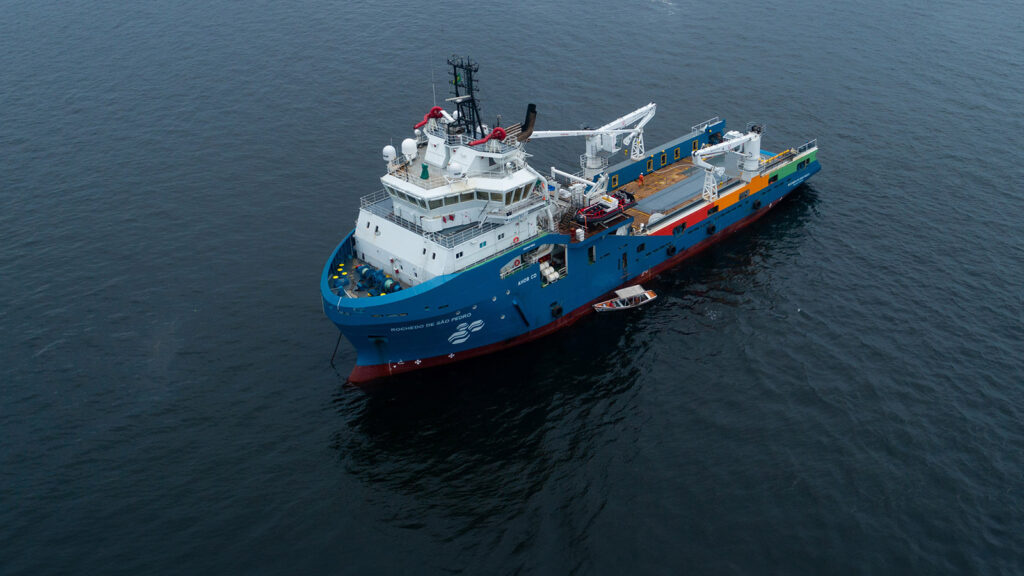
Rochedo de São Pedro (Source: Oceanpact)
Until that question is answered, the market’s restraint may be less a sign of skepticism than a reflection of experience.
In offshore services, larger fleets often signal stronger operational capability. But in the eyes of investors, value is measured less by the number of vessels a company controls than by the cash those vessels ultimately generate.