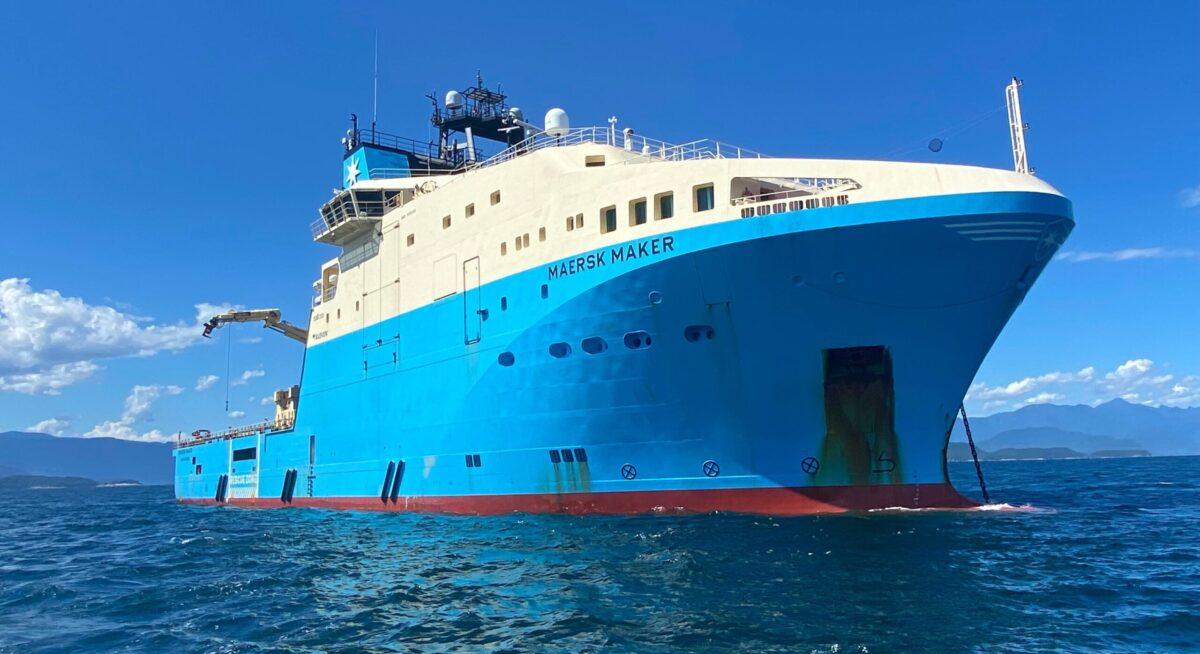
PRIO announced on March 3 that it has received the Operating License for Wahoo field, in Campos Basin, from Instituto Brasileiro do Meio Ambiente e dos Recursos Naturais Renováveis (Ibama) — the final regulatory step before first oil.
With commissioning in its final phase, production will take place via a subsea tieback to the FPSO at Frade Field, leveraging existing infrastructure and optimizing capex.
PRIO acquired a 35.7% stake in Wahoo from bp in 2020. The field is estimated to hold more than 140 million barrels of recoverable resources.
Tag: WSB
-
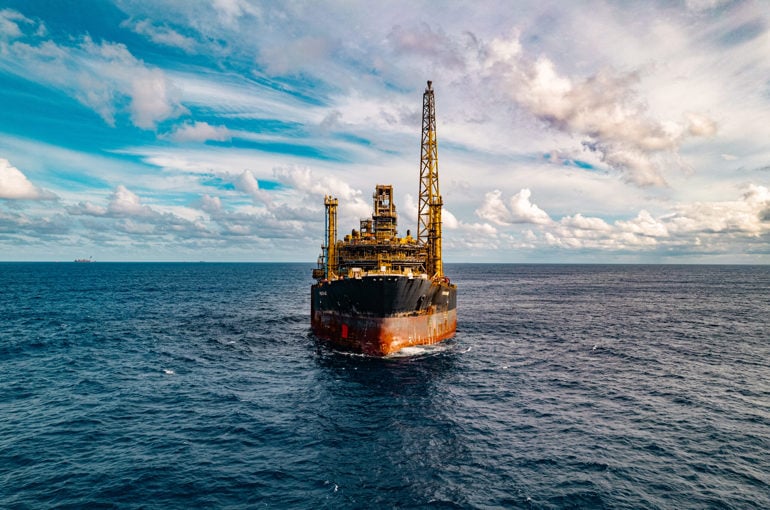
PRIO – Wahoo field
-
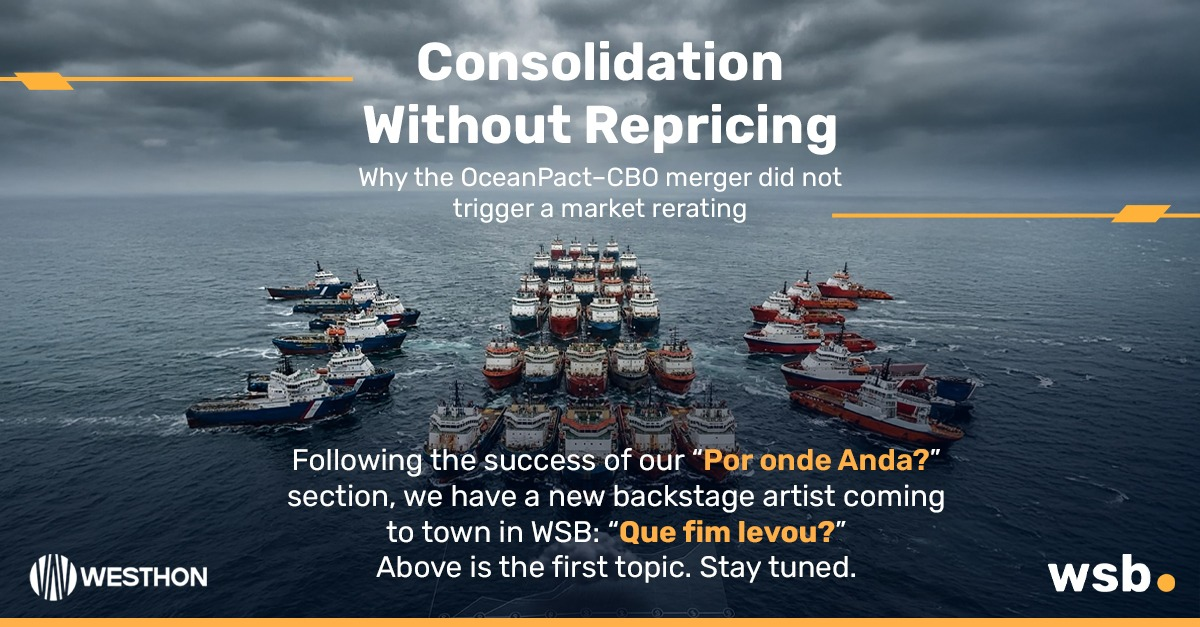
Special WSB: “Que fim levou?”
Consolidation Without Repricing
Why the OceanPact–CBO merger did not trigger a market rerating
Following the success of our “Por onde Anda?” section, we have a new backstage artist coming to town in WSB:
“Que fim levou?”
Above is the first topic. Stay tuned. -
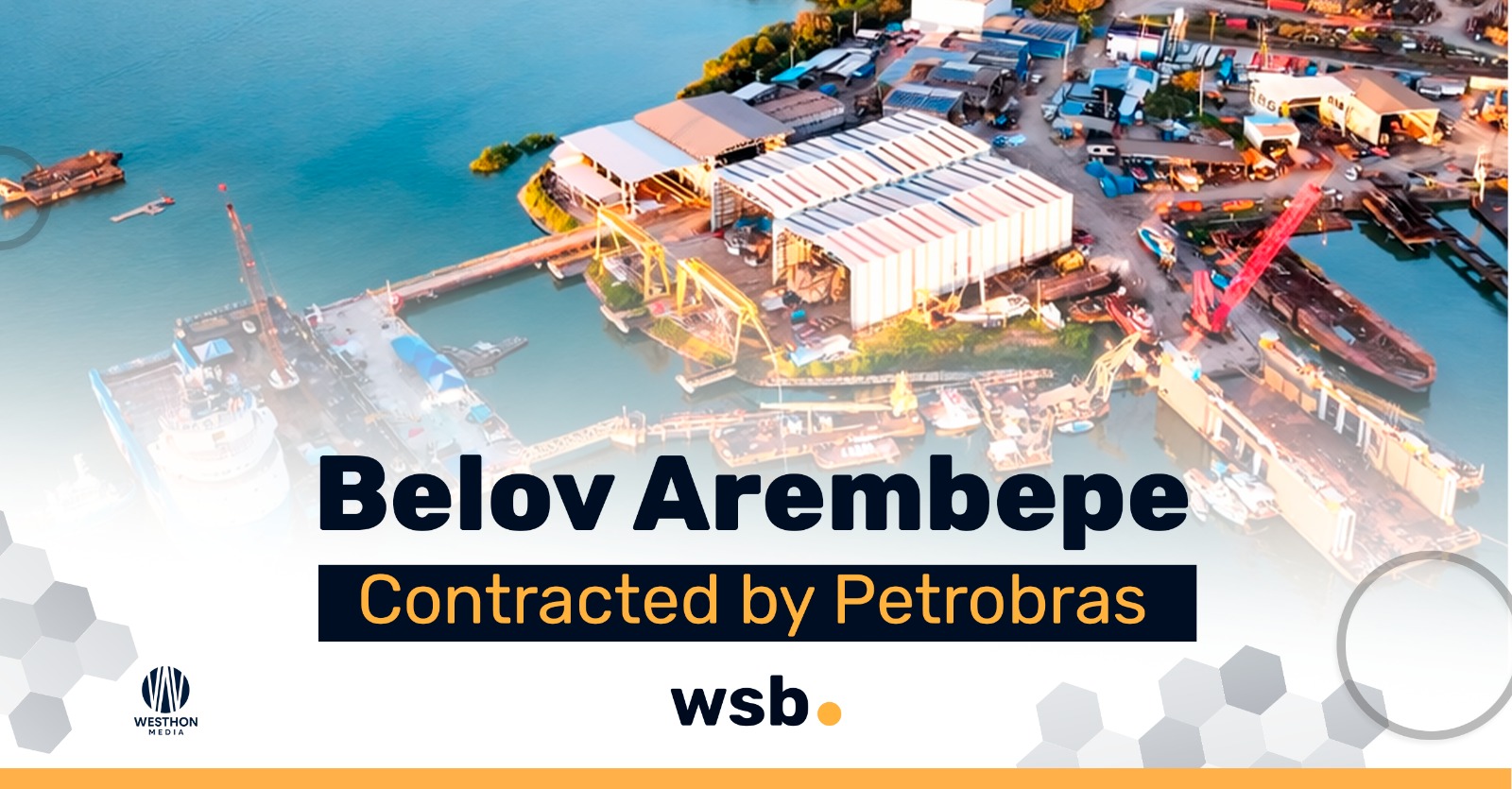
Belov Arembepe contracted by Petrobras
Belov Engenharia has signed a contract with Petrobras for the chartering of the SDSV Belov Arembepe, which will operate for the oil company for a period of four years. The agreement includes PPU-based remuneration components denominated in Brazilian reais and U.S. dollars, with a total contractual value (Service plus hire) of approximately R$ 680 million over the term.
Construction of the Belov Arembepe began in February 2026 and is expected to last approximately 18 months, with delivery scheduled for the second half of 2027, when Petrobras is DUE to commence operations with the vessel.
The Belov Arembepe will be the fourth SDSV in Belov’s fleet and the third vessel to be built at the group’s shipyard in Bahia. The project has been granted R$115 million in financing from the Fundo da Marinha Mercante (FMM).
“The Belov Arembepe will incorporate the proven design of previous vessels, with operational upgrades implemented based on lessons learned in recent offshore campaigns,” said Juracy Vilas-Bôas, Director at Belov Engenharia, in an interview for the upcoming edition of One Energy magazine.
For further technical information about the vessel, visit wsb-one.com
-
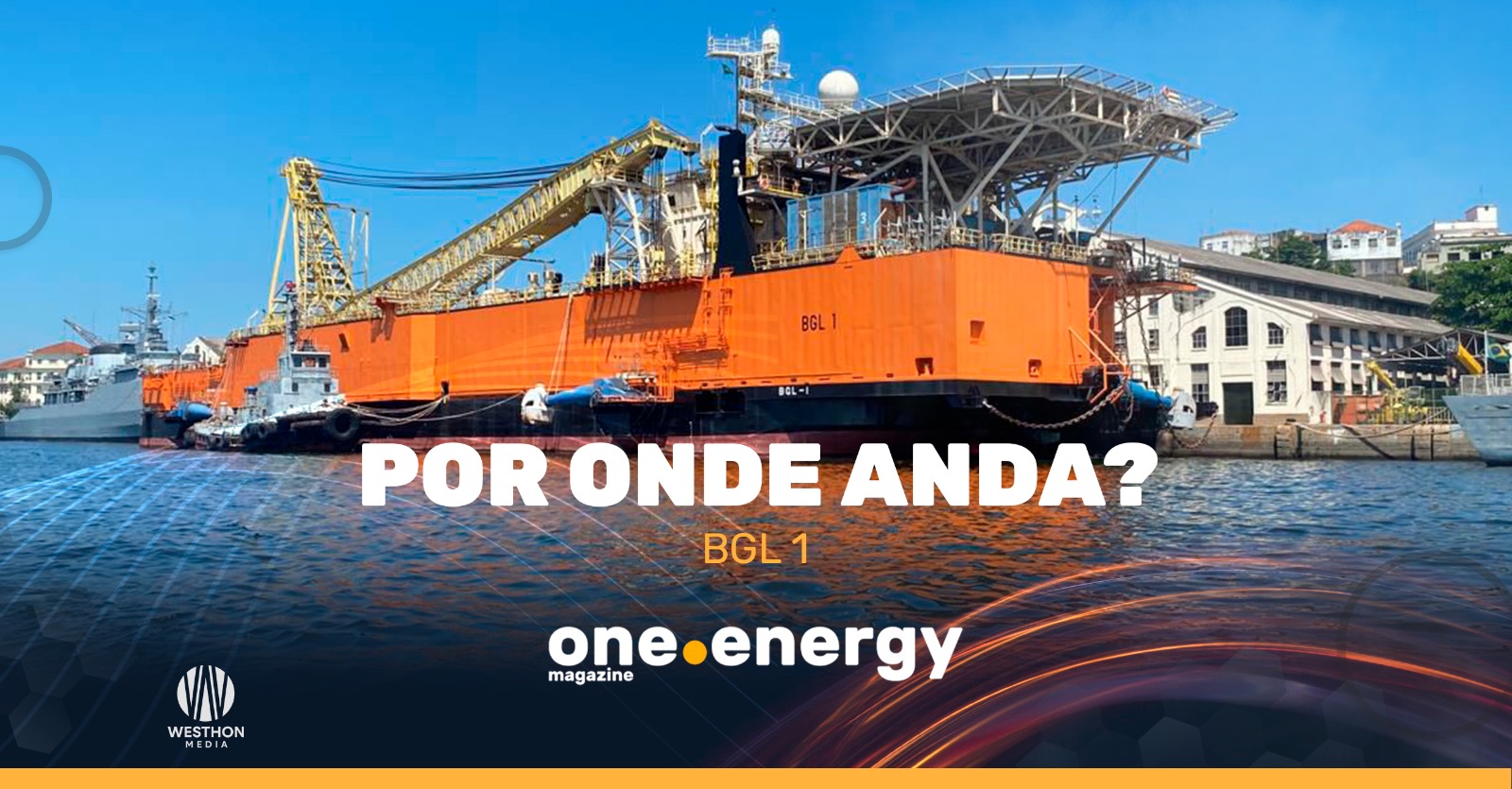
Special WSB? Por onde anda? BGL 1
In the middle of Carnival in Brazil, while many people were joining the street parades… a 1,000-ton crane barge decided to leave.
After years practically motionless, BGL 1 departed the pier at Cais da Ilha das Cobras without announcement, without statement and without, at least for now, a clear explanation.
A discreet move for an asset far too large to go unnoticed — especially one that had long been part of the landscape seen from our office on Avenida Rio Branco, Rio de Janeiro.
Built in Japan by Mitsui Engineering & Shipbuilding and delivered in 1977 already linked to contracts with Petrobras, BGL 1 was never just another offshore construction asset.
For decades, she operated as one of the main pipe-laying and heavy-lift barges in Brazilian waters, directly supporting the expansion of the country’s subsea infrastructure. With 1,000-ton lifting capacity, dynamic positioning and a configuration tailored for offshore construction campaigns, she built a track record few assets can match — pipeline installation, structural supports, complex removals, shallow-water interventions and special projects.
Precisely because she was a working asset, not a showcase unit, what followed stands out: after years of intense activity, the barge entered a prolonged period of inactivity, remaining for long stretches at Estaleiro Inhaúma in Guanabara Bay before being acquired by Super Braço in 2019 and later undergoing interventions at the Arsenal de Marinha do Rio de Janeiro.
And then… operational silence.
For an asset of this scale, not operating is more than the absence of a contract — it is a decision.
Keeping a construction barge idle implies continuous cost.
So the inevitable question was never “why wasn’t she operating,” but “why was she still there, simply existing?”During Carnival 2026, a movement.
BGL 1 was recently towed toward the Porto de Sepetiba region.
No public announcement. No operational confirmation. No defined scope.Reactivation?
Logistical repositioning?
Preparation for sale?
Or simply cost rationalization outside Guanabara Bay?In offshore construction, assets of this nature do not move without reason.
But reason and destination are not always the same thing.What is certain is that a vessel that helped build part of Brazil’s subsea infrastructure spent years floating sidelined — and has now started moving again.
It does not necessarily mean operation.
But ceasing to remain still always means something.And you, any idea where BGL-1 is going next? Comments are open below.
Every Thursday, a new “Por onde anda?” — stay tuned.
-
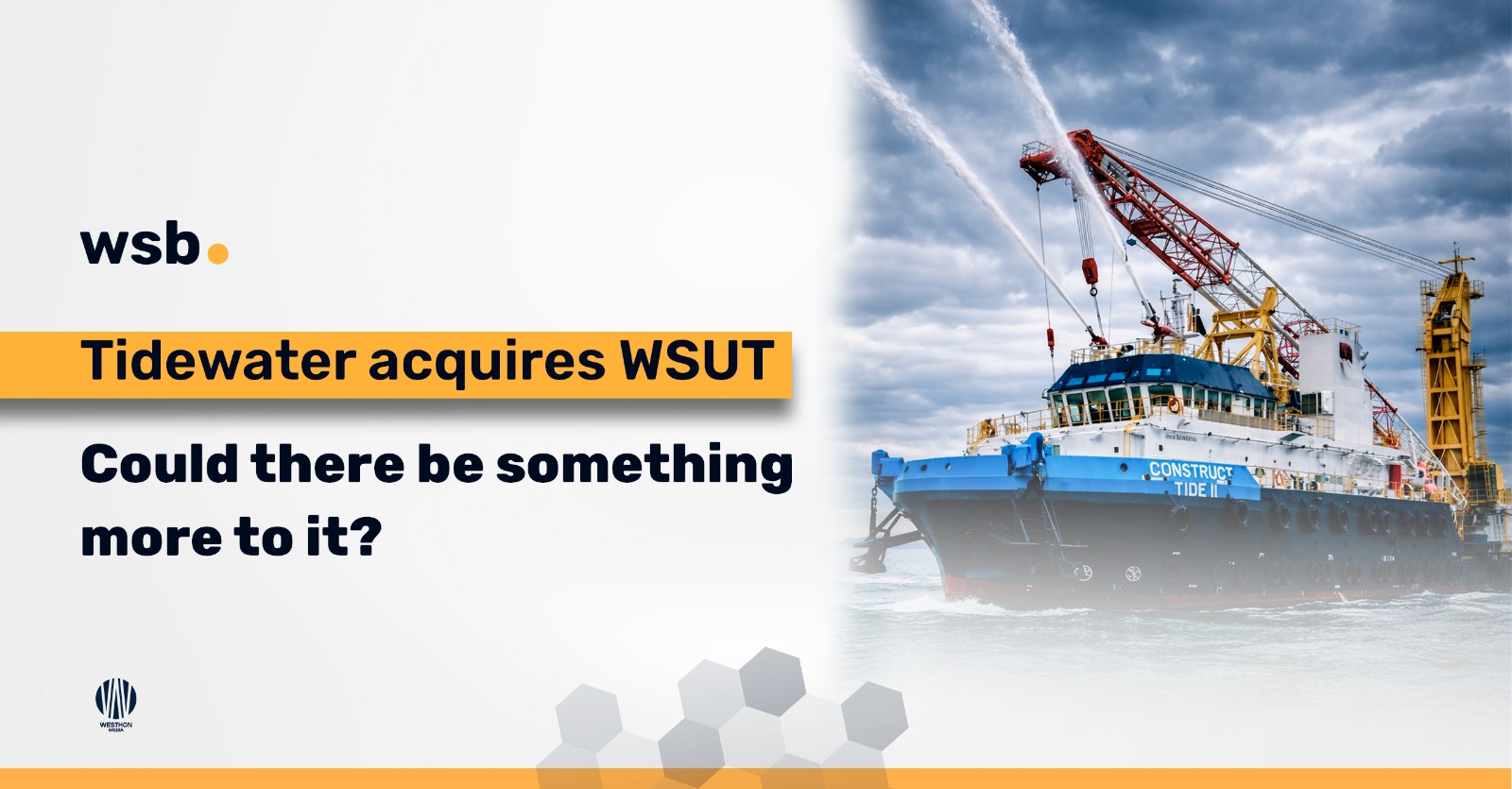
Tidewater acquires Wilson Sons Ultratug Offshore in US$ 500 million transaction
Tidewater Inc. announced the acquisition of 100% of Wilson Sons Ultratug Offshore Participações S.A. and Atlantic Offshore Services S.A. in an all-cash transaction valued at US$ 500 million, expanding its operational scale in Brazil’s offshore support vessel market.
The transaction includes a fleet of 22 Brazilian-flagged platform supply vessels, 19 of which were built in Brazil, positioning Tidewater as one of the main providers of Brazilian-built PSVs in the country. The acquired fleet holds an estimated US$ 441 million backlog, with approximately 88% linked to Petrobras contracts.
The acquisition will be financed through available cash and the assumption of approximately US$ 261 million in long-term debt provided by BNDES and Banco do Brasil, with an average annual cost of about 3.6%. Closing is expected in late Q2 2026, subject to customary regulatory approvals, including Conselho Administrativo de Defesa Econômica authorization and creditor consent.
Following completion, Tidewater’s global fleet is expected to reach approximately 231 vessels, including OSVs and other support assets, while its Brazilian fleet will expand from 6 to 28 vessels, becoming the third largest of the country. The company projects around US$ 220 million in annual revenue contribution from the acquired assets, with an estimated gross margin near 58% in the first year after closing.
The transaction reflects ongoing consolidation dynamics in Brazil’s PSV segment, where operators including CBO and other local players compete in a market shaped by scale, financing structure and Brazilian-built tonnage availability.
This will not be the last Merger & Acquisition (M&A) movement in the marine & offshore market in 2026.
Stay informed on key offshore developments — visit wsb-one. com, our data platform trusted by leading offshore companies. -
OPEN TENDERS — Market Update
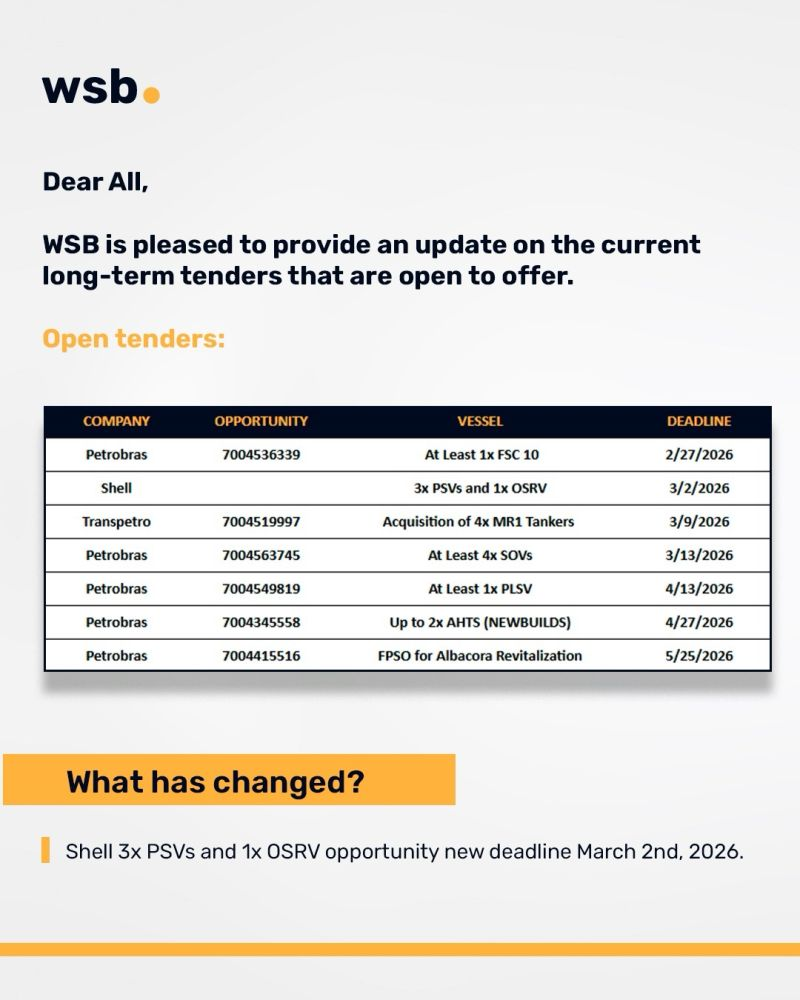
What has changed?
• Shell — 3x PSVs and 1x OSRV opportunity, new deadline March 2nd, 2026
What else is happening?
• Tidewater Inc. announced the acquisition of 100% of Wilson Sons Ultratug Offshore Participações S.A. and Atlantic Offshore Services S.A. in a transaction valued at approximately USD 500 million, reflecting continued consolidation dynamics in Brazil’s PSV segment.
PS: This will not be the last M&A movement in the marine & offshore market in 2026. -
Open Tenders & More
Dear All,
WSB is pleased to provide an update on the current long-term tenders that are open to offer.
Open tenders:
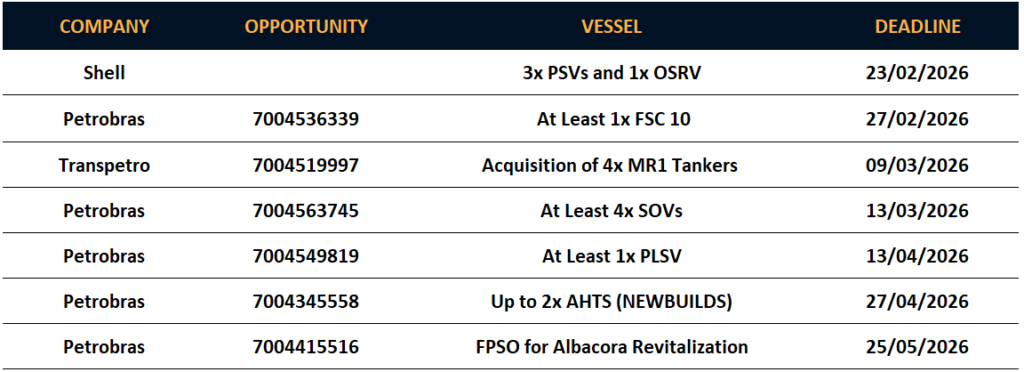
What has changed?
- Petrobras At Least 1x FSC 10: Opportunity 7004536339 new deadline February 27th, 2026.
What else is happening?
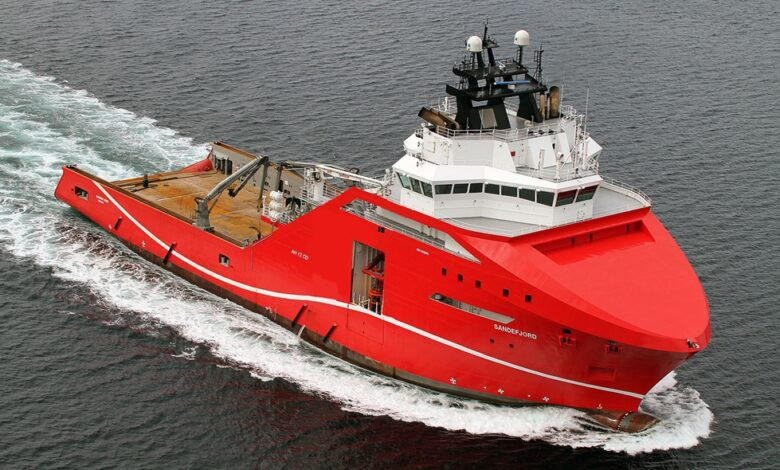
- DOF announced the acquisition of the anchor handling vessels Aurora Sandefjord and Aurora Saltfjord as part of a ~$100 million fleet upgrade, with deliveries expected in April 2026 and June/July 2026, respectively.
- Valaris has commenced a US$498 million drilling contract with Equinor for the drilling of six wells at the Raia gas field in Brazil’s Campos Basin pre-salt, supporting first production expected in 2028.
-
Special WSB: Por onde anda? Maersk Involver
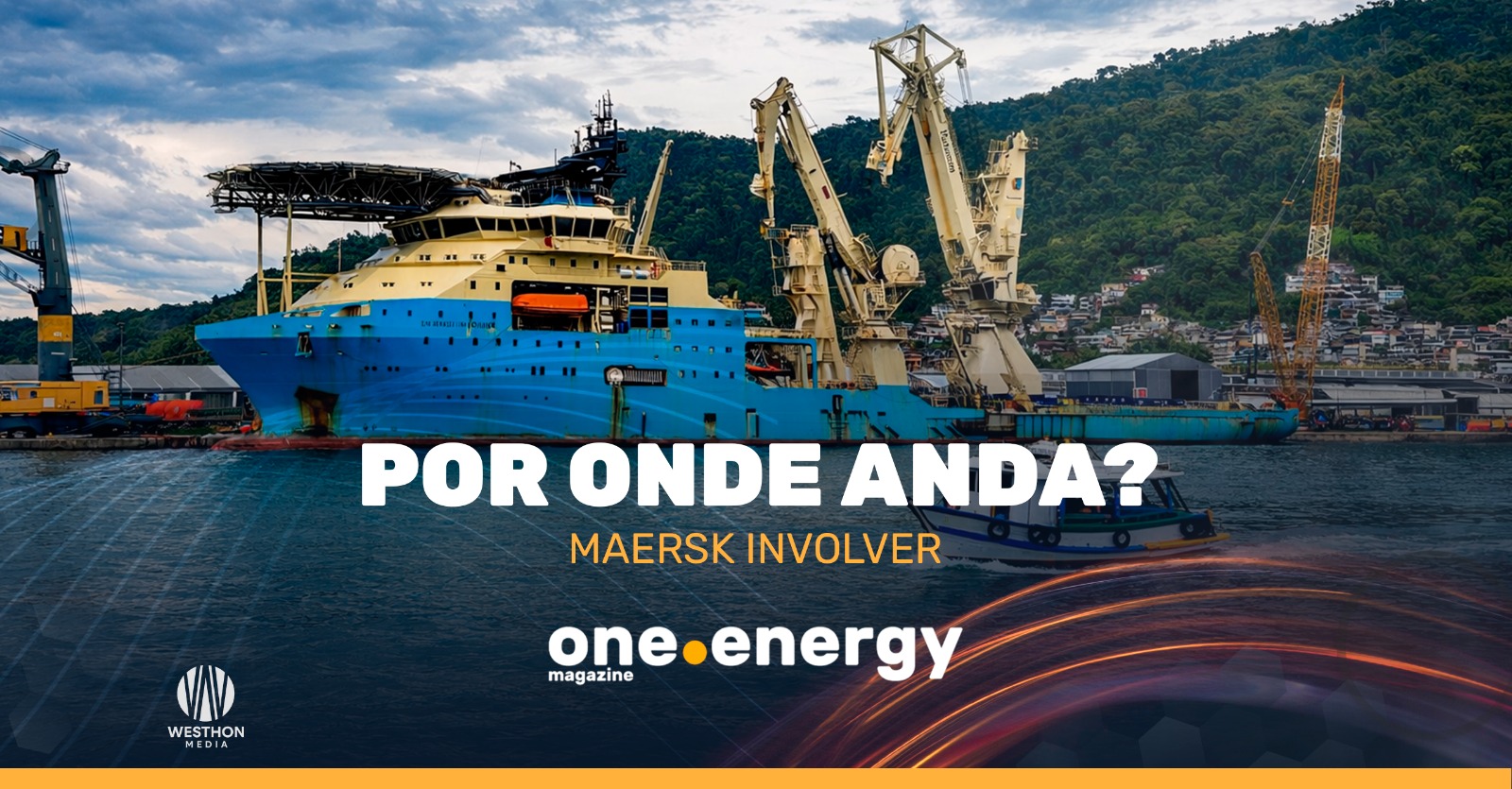
Built in 2007, with an impressive 138 meters LOA, the then Maersk Involver was born under the Danish offshore tradition. A blue hull, robust lines, and a clear purpose: to deliver capacity where conventional logistics cannot reach.But the sea changes. And so do assets.
On November 1st, 2024, following the completion of the acquisition of Maersk Supply Service by DOF Group ASA, the fleet underwent a visible transformation.
Names changed.
Colors changed.The soft Danish blue gave way to the distinctive Norwegian red.
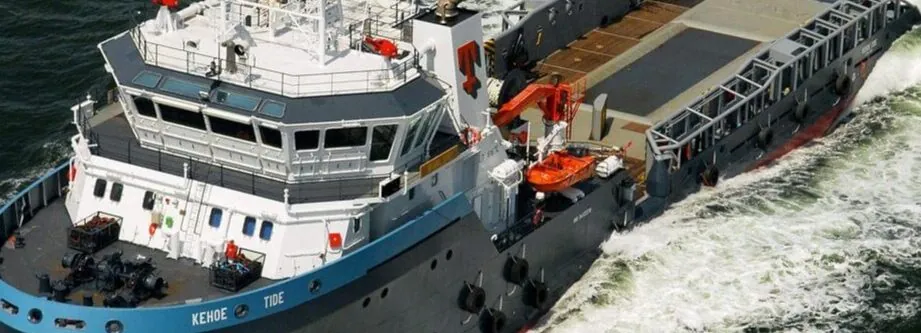
Maersk Involver became Skandi Involver.
Today, the vessel operates in Brazilian waters under contract with Petrobras, supporting subsea inspection activities. Her recent presence has been associated with the FPSO Sepetiba, operated by SBM Offshore — in Mero Field, one of Brazil’s key production hubs.
But her story did not begin here.
Before Brazil, she had already taken part in subsea campaigns offshore Angola.
In the North Sea, she operated as a walk-to-work vessel in Denmark.
She has worked in environments where logistics does not tolerate improvisation.
Classified as an MPSV, Skandi Involver occupies a hybrid space in the market. In a country where distance, water depth, and production scale put constant pressure on the logistics chain, onboard capacity stops being a differentiator — it becomes a strategic tool.
Some vessels adapt to survive.
Others seem to have been designed for constant adaptation.
And then comes the detail that disrupts the narrative.
After the acquisition, the rule appeared clear: new name, new visual identity.
Yet recent records show something intriguing.
👉 Why does she still appear blue?
A transitional delay? Or simply time — which in offshore operations is rarely linear?
In the end, Skandi Involver continues her course — discreet, stable, operational.
Too large to be ordinary.
Too specialized to be circumstantial.
Every Thursday, a new “Por onde anda?”
Stay tuned. -
Open Tenders & More
Dear All,
WSB is pleased to provide an update on the current long-term tenders that are open to offer.
Open tenders:
What has changed?
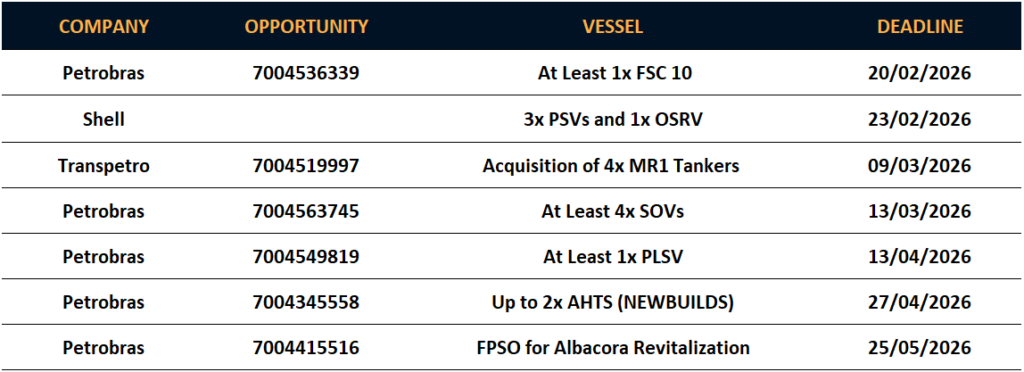
- Petrobras At Least 1x FSC 10: Opportunity 7004536339 new deadline February 20th, 2026.
- Petrobras At Least 4x SOVs: Opportunity 7004563745 released February 12th, 2026.
What else is happening?
- Brazilian O&G market remains quiet as Carnival takes over! 🎉🎊
As celebrations continue, we’ll be ready to set sail with fresh updates soon. Stay tuned!
-

What are your plans for Carnival?
While the market slows down, data keeps moving. And in the offshore industry, those who control structured information control decision-making power.
WSB Advisors offers WSB-One, the most comprehensive offshore database platform in South America. Real-time information on vessels, contracts, availability, and technical specifications — transformed into strategic intelligence for companies operating in oil & gas and renewable energy.
This is not just about following the market. It’s about anticipating movements, identifying opportunities, and competing with an edge in a sector where timing and information make all the difference.
With WSB-One, you gain access to:
* Integrated and cross-referenced data on nearly 600 vessels
* Detailed information on OSVs, drilling rigs, and FPSOs
* Full technical specifications
* Daily updated vessel availability
* Chartering activity and contract duration monitoring
* Ongoing requirements tracking
* Market positioning and competitor visibility
* On-time offshore market news
* Interactive graphics for faster and clearer analysis
* Dedicated analysts ensuring continuous updates and reliable intelligenceThe offshore market doesn’t take a break.
Are you keeping up?
Stay informed on key offshore developments — visit wsb-one.com, our data platform trusted by leading offshore companies.
-

Merger: Transocean and Valaris
Swiss-based Transocean confirmed market speculation this week by announcing the acquisition of rival Valaris in a transaction valued at approximately US$ 5.8 billion. Under the proposed structure, Transocean shareholders will hold around 53% of the combined company, with Valaris shareholders owning the remaining 47%, resulting in a pro forma enterprise value close to US$ 17 billion.
Once completed, the deal will create the world’s largest publicly traded offshore drilling contractor, with a combined fleet of 73 rigs, including 33 drillships, nine semisubmersibles and 31 jack-up rigs, as well as an estimated US$ 10 billion order backlog. The transaction remains subject to regulatory and shareholder approvals.
What’s next?
The combination is expected to expand exposure to key offshore basins globally and unlock more than US$ 200 million in identified cost synergies, on top of Transocean’s ongoing cost-reduction initiatives. Management expects these gains to strengthen cash flow generation, accelerate deleveraging and enhance financial flexibility, at a time when demand for high-specification offshore drilling units remains firm across major deepwater markets.
And what does this mean for Brazil?
Brazil continues to rank among the most strategic deepwater markets for the combined company. Both contractors already operate critical assets in the country, including Deepwater Corcovado and Valaris DS-4, reinforcing local exposure to Petrobras’ long-term offshore development plans.
At the same time, the merger further concentrates the supply side of the ultra-deepwater drilling market. While greater scale and financial strength may support operational efficiency and fleet investment, fewer global players with high-specification rigs could reshape competitive dynamics in future tenders, particularly in markets such as Brazil where demand remains structurally strong.
Stay informed on key offshore developments — visit wsb-onecom, our data platform trusted by leading offshore companies.