Amplus Energy Acquires FPSO Petrojarl I
Amplus Energy has announced the acquisition of the FPSO Petrojarl I from Altera Infrastructure, marking a new phase of investment for the company. Financial details were not disclosed.
The FPSO has a long history in the O&G sector, reinforcing the engineering quality behind its longevity. Since first oil in 1986, it has operated in over ten fields and had been in Brazil since 2017. After completing its mission at Atlanta field (Brava-operated), the unit Starts decommissioning at the end of 2024.
Technical specs:
• Production capacity: 30,000 bopd
• Storage: 180,000 bbls
(Ramp-up may be required before reactivation, potentially affecting these numbers.)
“The Petrojarl 1 is field-ready for quick turnaround solutions, from early production to tail-end developments.” Amplus, a Scotland-based oil field development company official noted.
What’s next for the Petrojarl I?
Author: Rafael Bortoloti
-
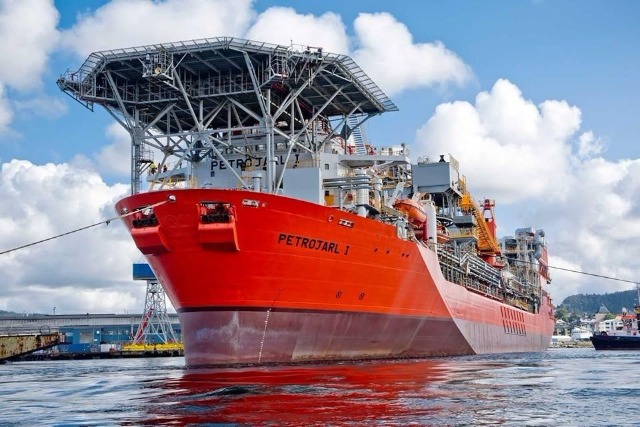
FPSO Petrojarl I: new owner – lifespan extension
-

Petrobras Outlines Ambitious Investment Plan
During Transpetro’s event launching the bid for eight gas carriers, Petrobras’ President Magda Chambriard detailed key projects and reinforced ongoing commitments:
• “Hit the gas”: Increasing local content requirements from 40% to 65% for goods and services.
• R$78 billion investment in Brazilian shipyards by 2026:
• R$58B for 10 new FPSO processing plants.
• R$20B for Offshore support vessels.
• 10 new FPSOs coming online by 2029 (seven contracted, three still to be tendered).
• 44 new vessels (OSVs & gas carriers) by 2026, backed by the Merchant Marine Fund and accelerated depreciation incentives.
• Commitment to repurposing vessels in decommissioning at local shipyards.
• Concern over pre-salt reserve depletion, stressing the need to develop the Equatorial Margin safely and efficiently.
• R$40 billion investment in refinery expansion and fertilizer plants across Brazil by 2026.
With this roadmap, Petrobras signals a strong push for national industry and energy security.
What’s your take, can these initiatives reshape Brazil’s shipbuilding and offshore sectors? -
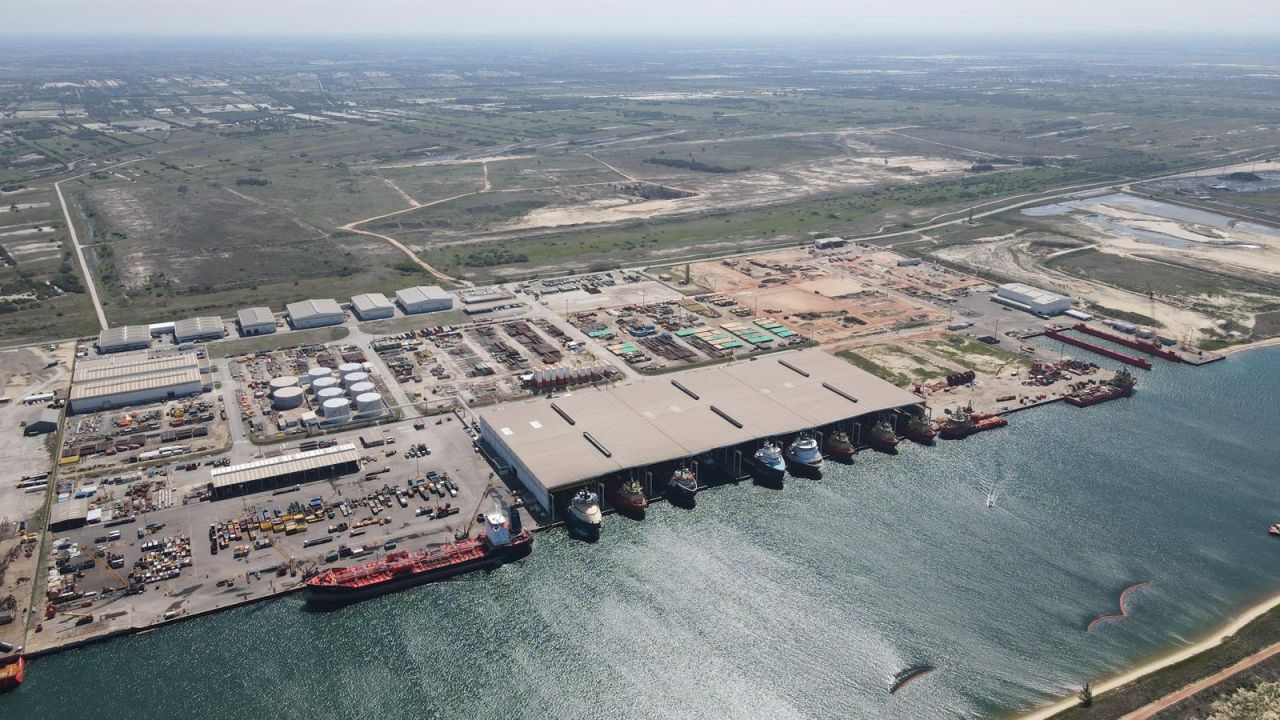
Opportunity: new LPG bid
Transpetro/Petrobras to Expand Fleet with New Gas Carrier Tender
Transpetro (Petrobras) annouced the awaited public international tender for the construction of 8 Gas carriers to close in 90 days, to a total fleet after deliveries from 6 to 14 vessels.
The tender features two batches:
• Batch 1: 5x pressurized units (3x 7,000m³ capacity and 2x 14,000m³ each).
• Batch 2: 3x semi-refrigerated units (10,000m³ each), Gas and Amonia (to expand into a market Transpetro is not currently exploring).
“The expectation is that Transpetro will increase its transportation capacity from 36,000 to 108,000 cubic meters per month. This should be sufficient for Petrobras to meet its entire national demand,” says Daniel Buckley Chartering Manager at WSB. -
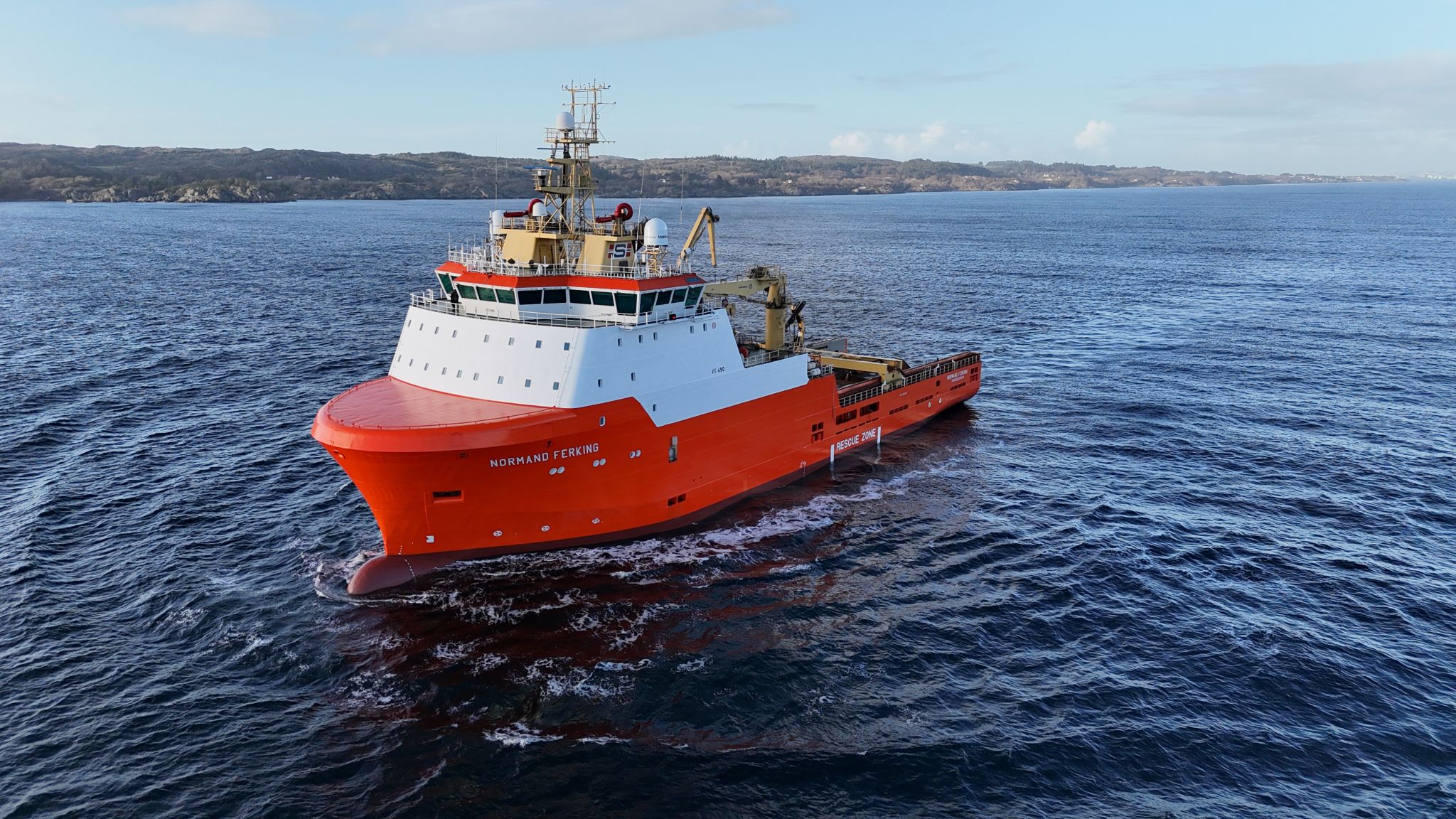
Sustainable AHTS coming to Brazil
Solstad Offshore announced that the AHTS Normand Ferking is on its way to Brazil. WSB, the owner of the largest and reliable market database, reveals that the vessel will begin a three-year contract with Petrobras.
The vessel is currently navigating around Africa and is expected to arrive in Brazil by mid-March. It is sailing under the Norwegian flag. Solstad assures that the journey is being carried out with certified renewable biodiesel (HVO), which ensures a significant reduction in pollutant emissions.
-
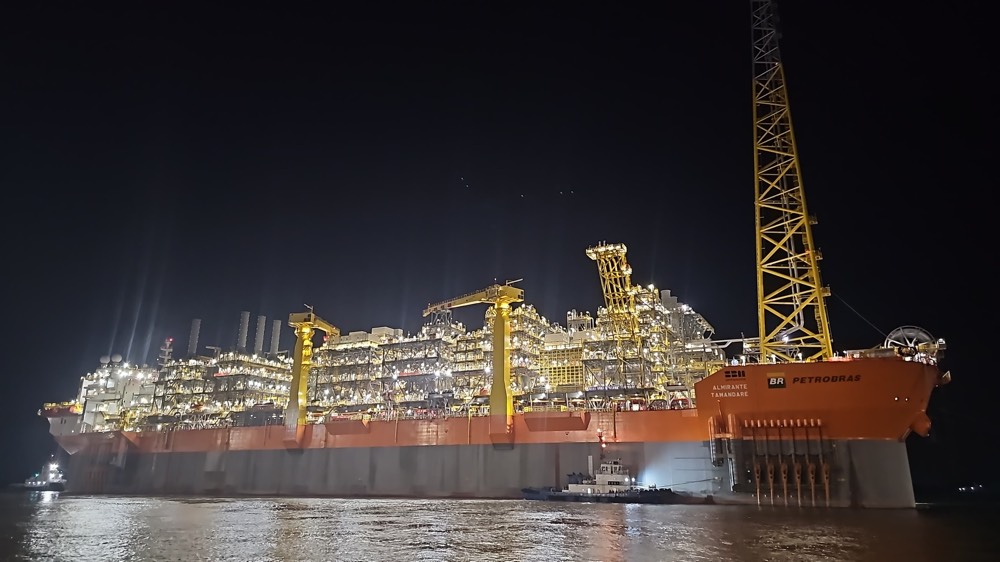
Búzios field: boosting Brazil production?
Búzios Field: A Game Changer for Brazil’s Oil Production?
Petrobras has announced that the FPSO Almirante Tamandaré started production on February 15. Operating in the Búzios field, within the pre-salt layer of the Santos Basin, the vessel has a production capacity of up to 225,000 barrels of oil equivalent per day (bpd) and can process 12 million cubic meters of gas daily.
Built and chartered by SBM, the FPSO departed China on July 31, arrived in Brazil in October (2024), and now joins five other units in Búzios: FPSOs P-74, P-75, P-76, P-77, and Almirante Barroso. Petrobras expects that Almirante Tamandaré will help push Búzios production to 1 million bpd this year and 1.5 million bpd by 2030.
According to the ANP (National Oil Agency), the Búzios field produced an average of 932,000 bpd in 2024, ranking seventh in the country. Tupi and Marlim currently lead with just over 2.6 million bpd each.
New Oil Discovery at Búzios
Petrobras also recently announced a new oil find beneath the field’s main reservoir. Tests at 5,600 meters deep confirmed the presence in well 9-BUZ-99D-RJS, drilled 189 km off the coast of Rio de Janeiro in 1,940 meters of water depth.
With record output and new discoveries, is Búzios shaping up to be the key driver of Brazil’s offshore expansion?
-

Brava and Trafigura: agreement
Brava Energia has signed a contract to sell 6 million barrels of oil from the Atlanta Field consortium (80% Brava, 20% Westlawn) to Trafigura PTE, a global player in the trade and logistics of oil, refined products, metals, minerals, gas, and energy.
According to Brava, the contract’s pricing is indexed to international low-sulfur bunker benchmarks.
Production at the Atlanta Field is carried out by the FPSO Atlanta, which has a production capacity of up to 50,000 boe/d, can treat 140,000 barrels of water per day, and store up to 1.6 million barrels of crude. -
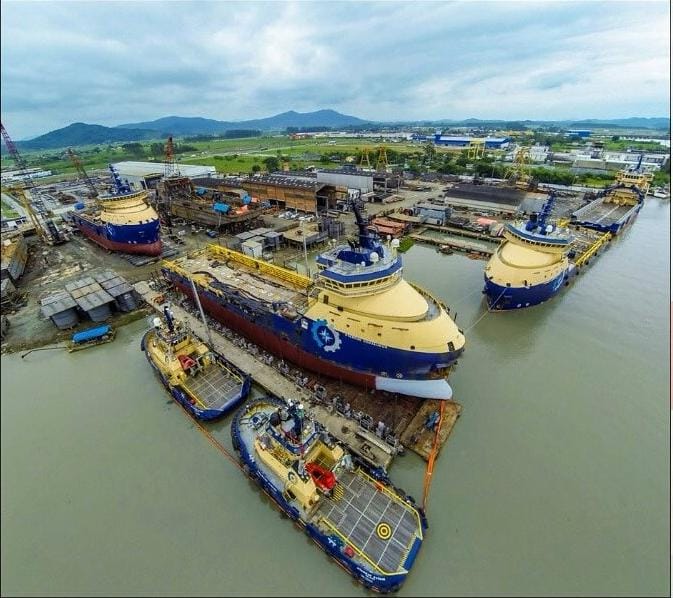
BNDES: R$6 billion for Naval Projects
The Brazilian Development Bank (BNDES) has approved R$6 billion in credit for projects funded by the Merchant Marine Fund (FMM) in 2024, the highest amount in 12 years.
This marks a significant increase compared to the period from 2019 to 2022, when only R$1.9 billion was approved. Additionally, the 2024 funding alone surpasses the total approvals from the previous seven years (2016-2022), which amounted to R$3.9 billion.
The FMM is a financial fund dedicated to supporting Brazil’s merchant marine and shipbuilding industry. This funding aligns with the sector’s revival, as WSB has been reporting. Several shipyards are reopening, and new bids for OSV newbuilds are emerging.
👉 Do you see this as a sign of a strong and lasting recovery for the industry? -
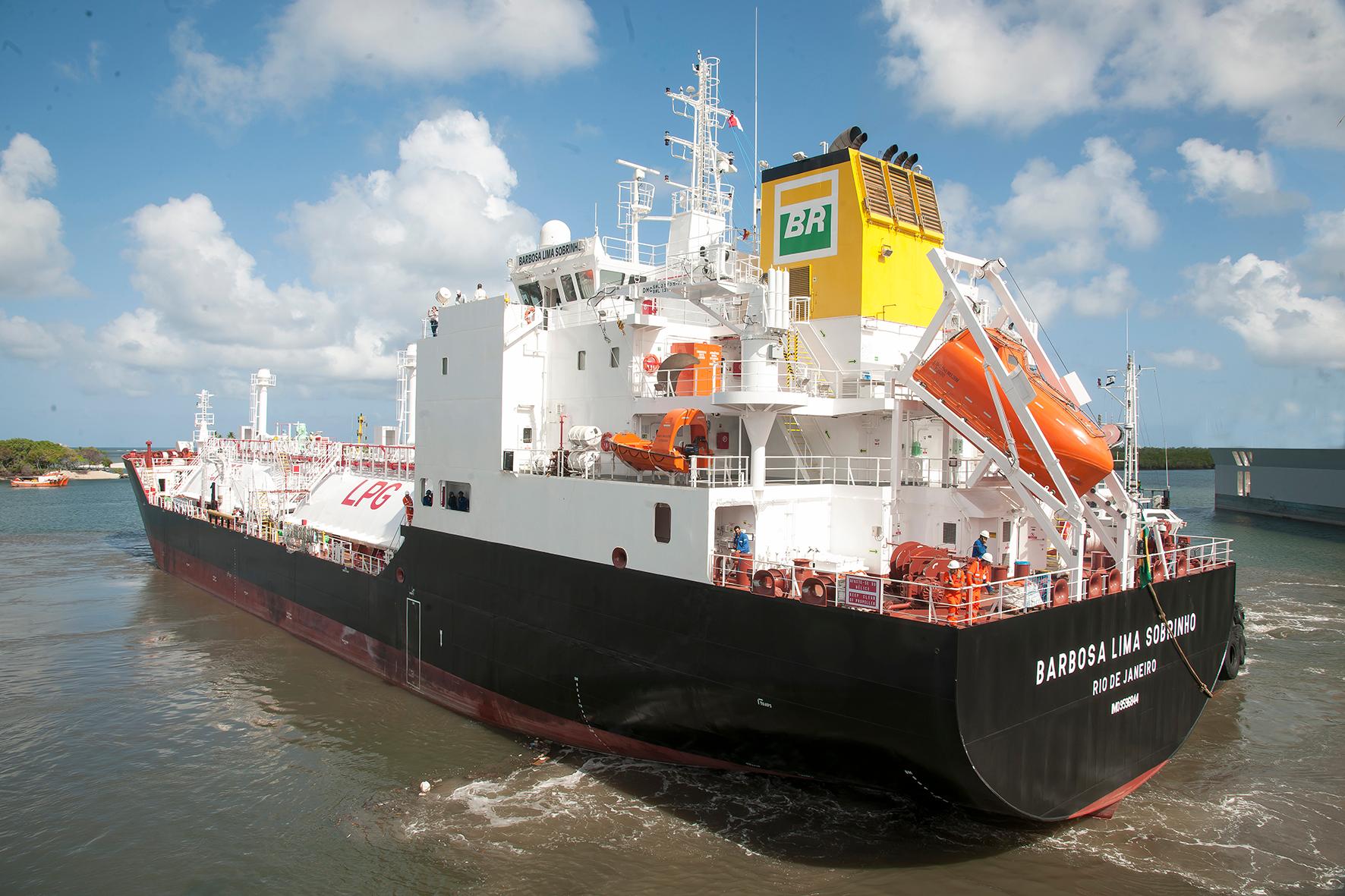
Petrobras and Tranpetro: updates bids coming
Transpetro is about to release the Gas Carrier New Build tender. Monday next week? (17/2). Let’s stay tuned.
The new tender shall come out to market in connection with the previous tanker handy-size being signed. Things are moving.
“Way to go! Transpetro/ Petrobras The industry has entered an inevitable (and hopefully virtuous) newbuilding cycle which in good reason may last for at least a decade. The time is now”, says Alexandre Vilela, CEO of WSB Advisors.
-

Sports as an Ally in the Corporate World
Supporting sports goes beyond competitions and athletes.
It serves as a foundation for developing essential skills that also drive success in the corporate world. Discipline, resilience, teamwork, and perseverance are crucial values for both athletes and professionals navigating daily challenges in their careers.
Mauricio Almeida, General Director at Pinheiro Almeida, Pericia e Assist. Técnica Judicial and a Westhon partner, is a prime example of how sports and business are connected. He recently traveled to Navegantes, Santa Catarina, to support the duo Maria Laura and Isabel Holanda in the first stage of the Beach Volleyball Circuit, which concluded last weekend. While there, he also took the opportunity to monitor the local shipbuilding market, particularly the shipyards, one of the region’s key industries.
At the same time, WSB has another strong example of the link between sports and business: our CMO, Fernando Vilela, who balances his corporate career with his passion for cycling—something he shares daily through Café na Trilha.
“We believe sports can change lives, and supporting young talent is essential for them to reach their full potential. Initiatives like these make a difference in national sports,” says Maurício. -
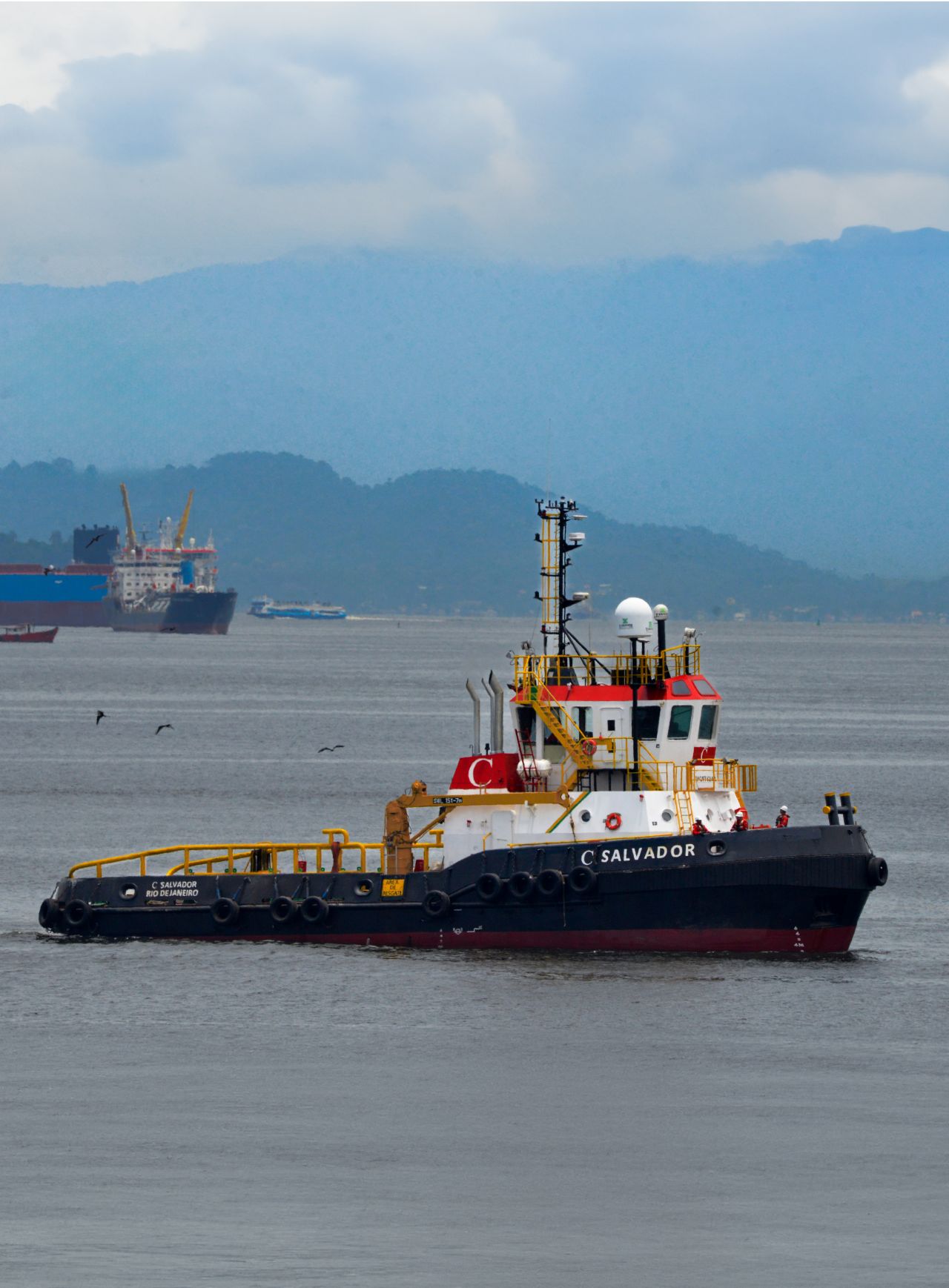
Camorim: exciting news
Camorim has officially started a four-year contract with Petrobras for the LH C-Salvador, supporting platform operations in the Campos Basin. But this isn’t the only reason for celebration.
The company also marked the start of another four-year contract with Petrobras for the OSRV Aegis. Additionally, Camorim recently held the naming ceremony for the C-Albatroz, the third in a series of five vessels being delivered by Detroit Brasil shipyard. The C-Fênix and C-Falcão are already in operation, with the remaining two, C-Condor and C-Harpia, expected later this semester. -
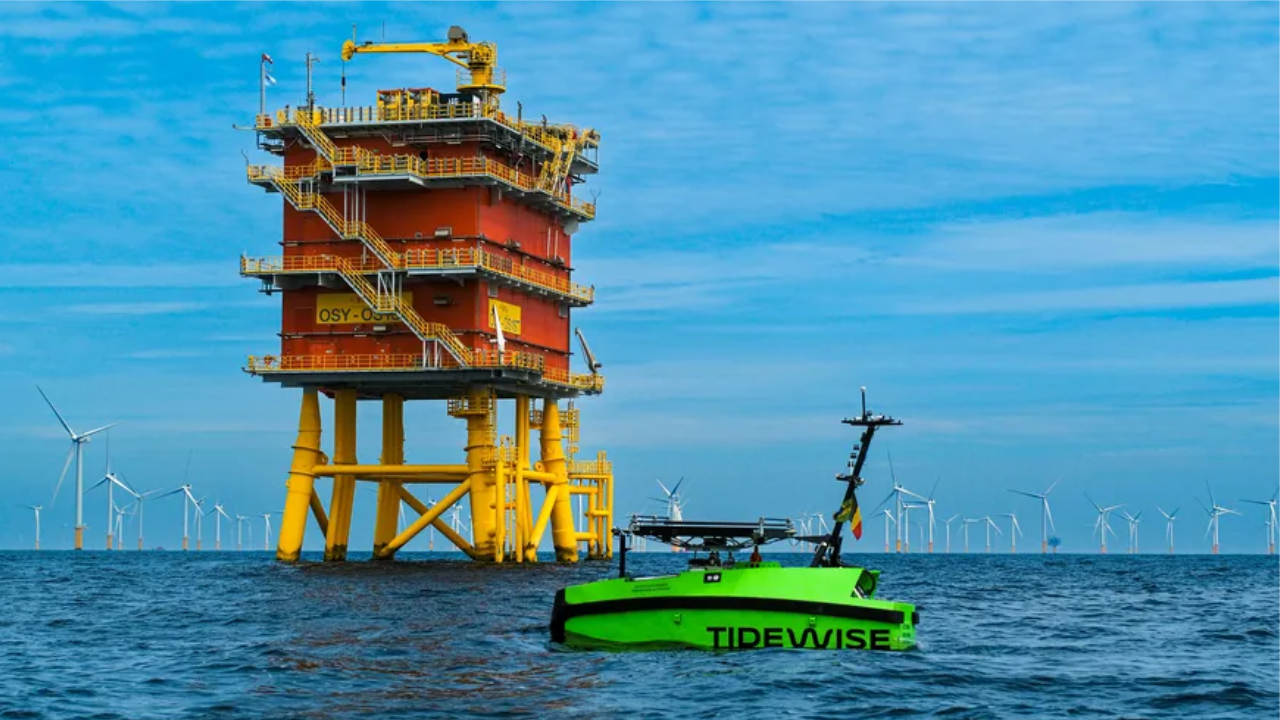
Tidewise: Authorized to Operate Autonomous Vessels
TideWise, a Brazilian engineering company specializing in autonomous maritime solutions, has recently received authorization from ANTAQ to operate autonomous vessels of up to 2000 hp. First case of an EBN requesting authorization for an autonomous vessel.
With this approval, Tidewise is now authorized to provide offshore vessel services.
Reshaping the future of the maritime industry? -
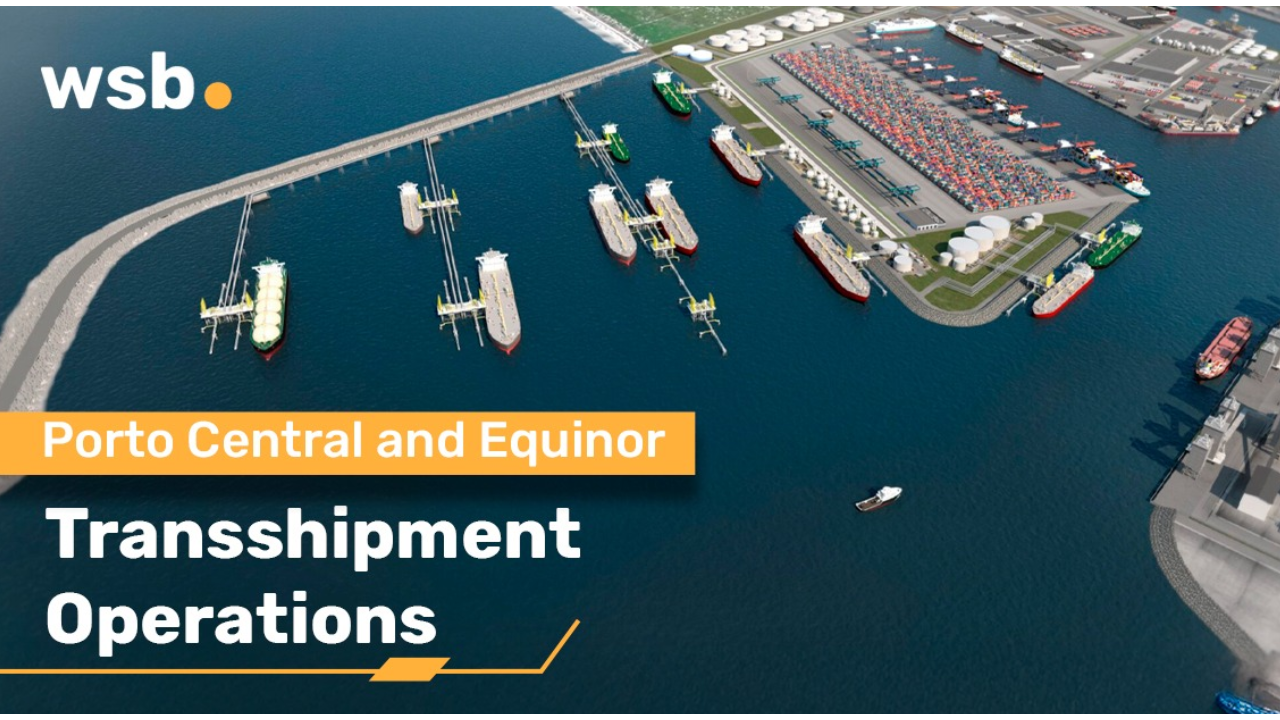
Porto Central and Equinor: transshipment operations
Porto Central and Equinor have finalized a contract for oil transshipment operations at the port’s liquid bulk terminal using the Ship-to-Ship (STS) model. The facility, located in Presidente Kennedy at the southernmost tip of Espírito Santo, is set to begin operations in December 2027 after three years of construction.
Positioning itself as a “diversified energy hub,” Porto Central is expected to transfer around 1 million barrels of oil per day. The terminal will accommodate large vessels, including VLCCs and Suezmax.
“This contract is highly significant for both Equinor and Porto Central. It’s also worth noting that the terminal recently signed a similar agreement with a subsidiary of
CNOOC International and renewed its decommissioning and recycling services contract with M.AR.S. Little by little, it’s becoming a major player,” says Daniel Buckley, Chartering Manager at WSB and tanker expert.